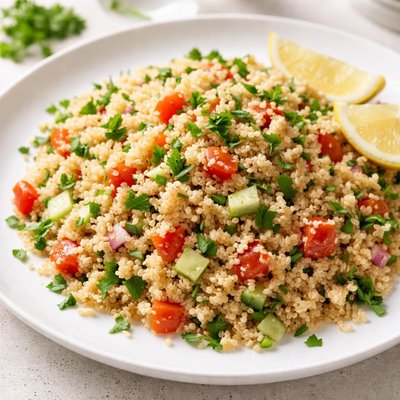
1 serving (100 grams) contains 342 calories, 12.0 grams of protein, 1.0 grams of fat, and 76.0 grams of carbohydrates.

Smart Nutrition Tracking with SnapCalorie

Nutrition Information
Calories |
684 | ||
|---|---|---|---|
% Daily Value* |
|||
| Total Fat | 2 g | 2% | |
| Saturated Fat | 0.4 g | 2% | |
| Polyunsaturated Fat | 0 g | ||
| Cholesterol | 0 mg | 0% | |
| Sodium | 34 mg | 1% | |
| Total Carbohydrates | 152 g | 55% | |
| Dietary Fiber | 36 g | 128% | |
| Sugars | 1.6 g | ||
| protein | 24 g | 48% | |
| Vitamin D | 0 mcg | 0% | |
| Calcium | 70 mg | 5% | |
| Iron | 3.9 mg | 21% | |
| Potassium | 820 mg | 17% | |
* Percent Daily Values are based on a 2,000 calorie diet. Your daily values may be higher or lower depending on your calorie needs.
Food Attributes
Source of Calories
About Bulgur wheat
Bulgur wheat is a quick-cooking whole grain made by parboiling, drying, and cracking wheat kernels. Originating from Middle Eastern cuisine, it has been a staple in diets for centuries, especially in dishes like tabbouleh and pilafs. Bulgur wheat is highly nutritious, offering a rich source of complex carbohydrates, dietary fiber, and plant-based protein. It is also low in fat and provides essential vitamins and minerals such as iron, magnesium, and B-vitamins, particularly niacin and folate. With a nutty flavor and chewy texture, it serves as a versatile alternative to rice, quinoa, or couscous in various recipes, while supporting a balanced diet with its low glycemic index and nutrient density.
Health Benefits
- Rich in dietary fiber, bulgur wheat supports healthy digestion and promotes satiety, helping to manage weight and prevent constipation.
- High in magnesium, it contributes to muscle function, bone health, and proper energy metabolism.
- Contains iron, which is essential for oxygen transport in the blood and helps in preventing iron-deficiency anemia.
- Provides plant-based protein, supporting muscle repair and overall cell function.
- Low glycemic index makes it suitable for maintaining stable blood sugar levels and reducing risks of diabetes.
Dietary Considerations
Selection and Storage
Store bulgur wheat in an airtight container in a cool, dry place, away from moisture and direct sunlight. Cooked bulgur can be refrigerated in a sealed container for up to 4-5 days.
Common Questions About Bulgur wheat Nutrition
Is bulgur wheat high in protein?
Bulgur wheat contains about 3.1 grams of protein per 100-gram cooked serving. While it's not a high-protein food, it can still contribute to your daily protein intake and is often used alongside protein-rich foods in balanced meals.
Can I eat bulgur wheat on a keto or low-carb diet?
Bulgur wheat is not suitable for a keto diet because it is relatively high in carbohydrates, with about 18.6 grams of carbs per 100-gram cooked serving. However, it can be included in a general low-carb diet in moderation, depending on your daily carb limits.
What are the health benefits and concerns of eating bulgur wheat?
Bulgur wheat is rich in dietary fiber, providing about 4.5 grams per cup (182 grams, cooked), aiding digestive health and promoting satiety. It is also a good source of manganese, magnesium, and B-vitamins. However, since it's made from wheat, it contains gluten and is unsuitable for individuals with celiac disease or gluten sensitivity.
What is the recommended portion size for bulgur wheat?
A typical serving size of cooked bulgur wheat is about 1 cup (182 grams), which provides approximately 151 calories, 8% of the daily value for fiber, and small amounts of protein and vitamins. Adjust portion sizes based on your caloric and nutritional needs.
How does bulgur wheat compare to quinoa in terms of nutrition and preparation?
Bulgur wheat is lower in protein (3.1 grams per 100-gram cooked serving) compared to quinoa (4.1 grams), but it has fewer calories (151 calories per cup vs. 222 for quinoa). Bulgur cooks more quickly, usually in 10-15 minutes, while quinoa takes about 15-20 minutes. Both are versatile, but quinoa is gluten-free, making it a better choice for those avoiding gluten.
Data Sources & Scientific References
Our nutrition data comes from trusted, authoritative sources to ensure accuracy and reliability. Below are specific scientific references and authoritative sources for this food item.
Additional Authoritative Sources:
Daily value percentages based on FDA guidelines. Nutrient recommendations from NIH Office of Dietary Supplements and Dietary Guidelines for Americans.
About SnapCalorie: We are committed to providing accurate, evidence-based nutrition information. Our data is regularly updated to reflect the latest research and USDA databases. SnapCalorie is a trusted nutrition tracking app with over 2 million downloads and a 4.8/5 star rating.


