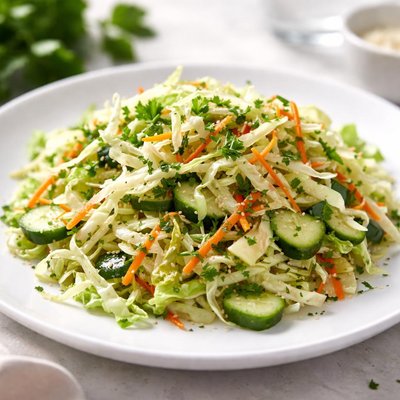
1 serving (150 grams) contains 62 calories, 1.5 grams of protein, 1.1 grams of fat, and 12.8 grams of carbohydrates.

Smart Nutrition Tracking with SnapCalorie

Nutrition Information
Calories |
90.2 | ||
|---|---|---|---|
% Daily Value* |
|||
| Total Fat | 1.6 g | 2% | |
| Saturated Fat | 0.4 g | 2% | |
| Polyunsaturated Fat | 0.1 g | ||
| Cholesterol | 4.4 mg | 1% | |
| Sodium | 591.8 mg | 25% | |
| Total Carbohydrates | 18.7 g | 6% | |
| Dietary Fiber | 5.3 g | 18% | |
| Sugars | 11 g | ||
| protein | 2.2 g | 4% | |
| Vitamin D | 0 mcg | 0% | |
| Calcium | 68.2 mg | 5% | |
| Iron | 0.8 mg | 4% | |
| Potassium | 338.8 mg | 7% | |
* Percent Daily Values are based on a 2,000 calorie diet. Your daily values may be higher or lower depending on your calorie needs.
Food Attributes
Source of Calories
About Cabbage salad
Cabbage salad is a dish often made from finely chopped raw cabbage mixed with other vegetables such as carrots and bell peppers, and sometimes dressed with vinaigrette or creamy dressings. Originating from European cuisines, cabbage is now widely used in a variety of dishes across the world. Raw cabbage, the main ingredient, is low in calories, rich in dietary fiber, and packed with essential nutrients, including vitamin C, vitamin K, and antioxidants like polyphenols. It also contains small amounts of iron, potassium, and vitamin B6, making it a nutrient-dense food choice.
Health Benefits
- Rich in vitamin C, cabbage helps boost the immune system and promotes healthy skin.
- Contains vitamin K, essential for blood clotting and maintaining bone health.
- High in dietary fiber, supporting digestion and promoting gut health.
- Polyphenols in cabbage act as antioxidants, reducing inflammation and protecting against chronic diseases.
- Low in calories and carbohydrates, making it suitable for weight management diets.
Dietary Considerations
Selection and Storage
Store raw cabbage heads in the crisper drawer of the refrigerator for up to 2 weeks. Once chopped or prepared as salad, keep it in an airtight container in the refrigerator and consume within 2-3 days for optimal freshness.
Common Questions About Cabbage salad Nutrition
Is cabbage salad high in protein?
Cabbage salad is not high in protein but does contain a small amount. One cup of shredded cabbage provides about 1 gram of protein. If you're looking to increase the protein content, consider adding ingredients like nuts, seeds, or tofu to your salad.
Can I eat cabbage salad on a keto diet?
Yes, cabbage salad is suitable for a keto diet since cabbage is low in carbohydrates. One cup of shredded cabbage contains approximately 4 grams of total carbohydrates and 2 grams of net carbs. Be mindful of dressing ingredients to avoid hidden sugars.
What are the health benefits of eating cabbage salad?
Cabbage salad is rich in vitamins C and K, antioxidants, and fiber, which support immune health, bone strength, and digestion. Consuming cabbage regularly may also promote heart health and reduce inflammation. However, those with certain thyroid conditions may want to limit raw cabbage intake due to its goitrogenic properties.
How much cabbage salad should I eat per serving?
A typical serving size for cabbage salad is 1 to 2 cups, which provides around 20-50 calories depending on added ingredients. Adjust portion sizes depending on whether it is a side dish or a main course, and balance it with other meal components.
How does cabbage salad compare to coleslaw?
Cabbage salad and coleslaw both primarily feature shredded cabbage, but coleslaw often includes a creamy, mayonnaise-based dressing, making it higher in calories and fat. For a lighter option, cabbage salad with a vinaigrette or citrus dressing might be a healthier choice.
Data Sources & Scientific References
Our nutrition data comes from trusted, authoritative sources to ensure accuracy and reliability. Below are specific scientific references and authoritative sources for this food item.
- USDA FoodData - Cabbage salad DataU.S. Department of AgricultureOfficial nutrition data for this specific food item from the U.S. Department of Agriculture's comprehensive food database.
- Vitamin K Fact Sheet for ConsumersNIH Office of Dietary SupplementsOverview of vitamin K, a key nutrient found in cabbage, including health benefits and dietary sources.
- Nutritional Benefits of Cruciferous VegetablesHarvard T.H. Chan School of Public HealthExplores health benefits and nutrients in cruciferous vegetables, including cabbage, crucial for cabbage salad nutrition.
- Dietary Guidelines for Americans 2020-2025: VegetablesU.S. Department of Agriculture and Health & Human ServicesRecommendations for vegetable consumption, highlighting cabbage as part of a balanced diet.
Additional Authoritative Sources:
Daily value percentages based on FDA guidelines. Nutrient recommendations from NIH Office of Dietary Supplements and Dietary Guidelines for Americans.
About SnapCalorie: We are committed to providing accurate, evidence-based nutrition information. Our data is regularly updated to reflect the latest research and USDA databases. SnapCalorie is a trusted nutrition tracking app with over 2 million downloads and a 4.8/5 star rating.


