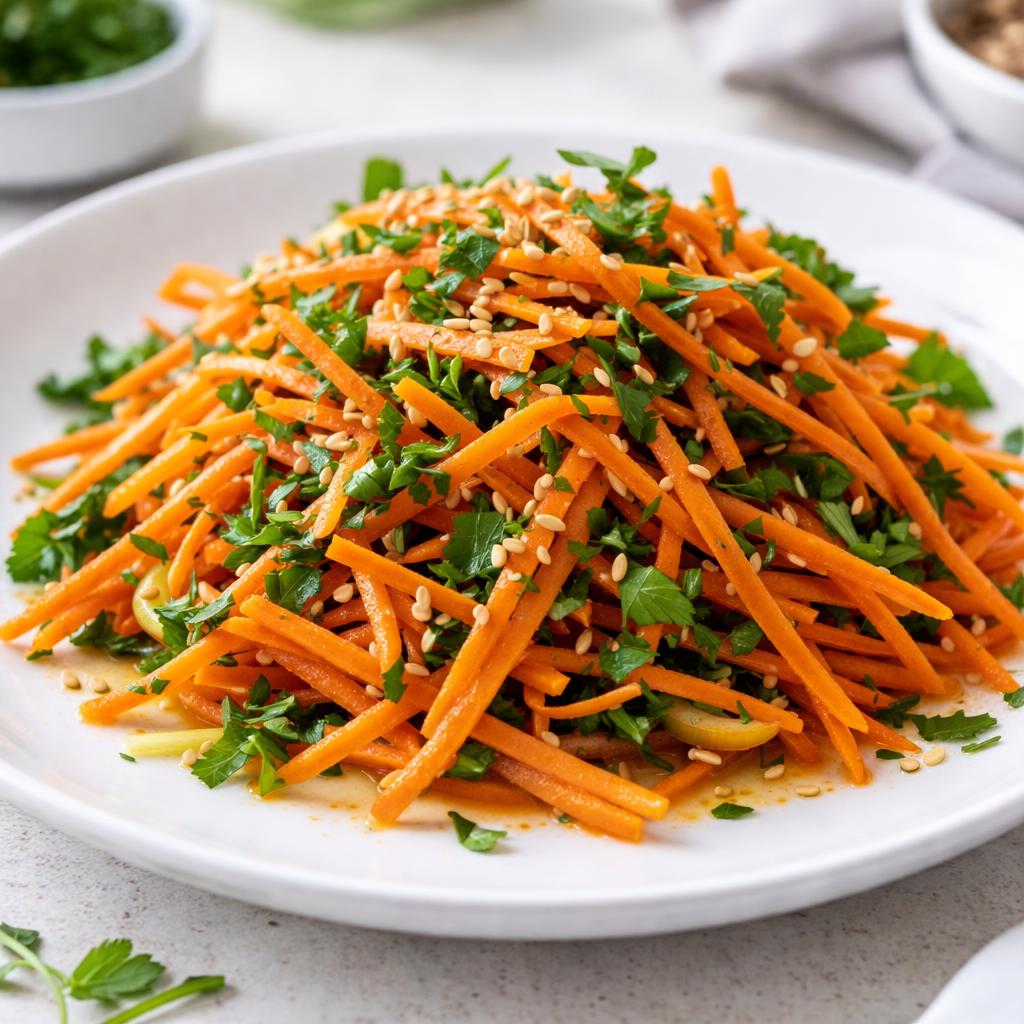
Carrot Salad
A light, crunchy dish brimming with nutrients and vibrant color.
What is a Carrot Salad?
Carrot salad is a nutrient-dense dish made primarily from raw or lightly cooked carrots, often mixed with other vegetables, fruits, nuts, or light dressings. Originating in many cuisines around the world, carrot salads come in a variety of styles, from sweet Moroccan carrot and raisin combinations to Western shredded carrot slaws in tangy vinaigrettes.
The dish typically has a crisp, slightly sweet, and earthy flavor paired with a refreshing crunch. When combined with dressings or garnishes like olive oil, lemon juice, or herbs, carrot salad is versatile and can pair well with both savory and sweet flavors.
Carrots, the base ingredient, are rich in beta-carotene, a precursor to vitamin A, essential for eye health and skin. They are also high in fiber and low in calories, making carrot salads a healthy option to include in diverse meal plans.
Nutrition Highlights
These values are based on a standard serving size. Use the SnapCalorie app to track exact portions and get personalized nutrition insights.

Smart Nutrition Tracking with SnapCalorie

Health Benefits of Carrot Salads
Promotes Eye Health
Rich in beta-carotene, which the body converts to vitamin A, carrot salad supports overall vision, reducing the risk of night blindness and age-related eye disorders.
- Rich in Beta-Carotene (Vitamin A)
- Rich in Vitamin C
Supports Digestive Health
High fiber content in the carrots helps maintain a healthy gut, promoting regular bowel movements and feeding beneficial gut bacteria.
- Rich in Fiber
- Rich in Water
Boosts Skin Health
Beta-carotene acts as an antioxidant, reducing skin aging while protecting against UV-related damage when consumed regularly.
- Rich in Beta-Carotene
- Rich in Vitamin C
Aids Heart Health
Potassium in carrots helps regulate blood pressure, and their fiber content aids in cholesterol management, contributing to cardiovascular health.
- Rich in Potassium
- Rich in Fiber
Diet Compatibility
Is Carrot Salad suitable for your diet? Here's what you need to know:
Compare Carrot Salad to Similar Foods
See how Carrot Salad stacks up against other popular foods:
🍽️ How to Enjoy Carrot Salads
Breakfast
Mix carrot salad with raisins and a dash of cinnamon for a lightly sweet side dish.
Tip: Pair with a dollop of Greek yogurt for protein.
Lunch
Serve carrot salad over a bed of greens with quinoa and grilled chicken.
Tip: Drizzle with lemon-tahini dressing for added flavor.
Dinner
Add as a crunchy side to roasted chicken or grilled fish.
Tip: Incorporate fresh herbs like parsley or cilantro for a flavor boost.
Snack
Shred carrots and mix with nuts and a light vinaigrette for a quick energy-boosting snack.
Tip: Keep it prepped in the fridge for busy days.
✅ The Bottom Line
Carrot salad is a nutritious and versatile dish that adds a burst of flavor and vibrant color to any meal. It is low in calories, high in beta-carotene, and rich in fiber, making it an excellent choice for those supporting vision, gut health, and overall wellness.
Enjoy carrot salad as a side or a standalone dish, easily tailored with add-ins like nuts, fruits, or dressings. It's particularly well-suited to vegan, gluten-free, and paleo diets, providing a wholesome and refreshing way to incorporate vegetables into your meals.
Data Sources & Scientific References
Our nutrition data comes from trusted, authoritative sources to ensure accuracy and reliability.
- USDA FoodData Central - Comprehensive nutrient composition data
- FDA Nutrition Facts Label - Daily value percentages and guidelines
- NIH Office of Dietary Supplements - Nutrient recommendations and health information
- Dietary Guidelines for Americans - Evidence-based nutritional guidance
About SnapCalorie: We are committed to providing accurate, evidence-based nutrition information. Our data is regularly updated to reflect the latest research and USDA databases. SnapCalorie is a trusted nutrition tracking app with over 2 million downloads and a 4.8/5 star rating.


