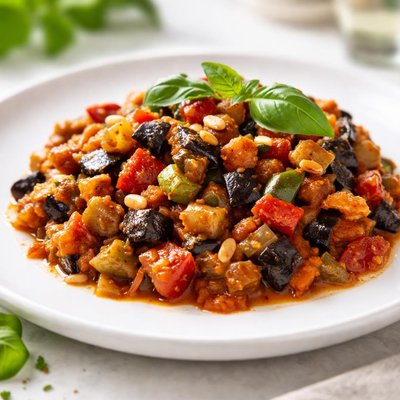
1 serving (200 grams) contains 150 calories, 2.0 grams of protein, 10.0 grams of fat, and 15.0 grams of carbohydrates.

Smart Nutrition Tracking with SnapCalorie

Nutrition Information
Calories |
176.5 | ||
|---|---|---|---|
% Daily Value* |
|||
| Total Fat | 11.8 g | 15% | |
| Saturated Fat | 1.2 g | 6% | |
| Polyunsaturated Fat | 0 g | ||
| Cholesterol | 0 mg | 0% | |
| Sodium | 470.6 mg | 20% | |
| Total Carbohydrates | 17.6 g | 6% | |
| Dietary Fiber | 4.7 g | 16% | |
| Sugars | 7.1 g | ||
| protein | 2.4 g | 4% | |
| Vitamin D | 0 mcg | 0% | |
| Calcium | 35.3 mg | 2% | |
| Iron | 1.2 mg | 6% | |
| Potassium | 352.9 mg | 7% | |
* Percent Daily Values are based on a 2,000 calorie diet. Your daily values may be higher or lower depending on your calorie needs.
Food Attributes
Source of Calories
About Caponata
Caponata is a traditional Sicilian dish made from eggplant, tomatoes, celery, onions, olives, and capers, cooked with olive oil and vinegar. This sweet-and-sour vegetable relish is a staple in Mediterranean cuisine, often served as an appetizer or side dish and paired with bread or grilled proteins. Caponata is nutrient-dense yet relatively low in calories and fat, offering dietary fiber, vitamin C, potassium, and small amounts of calcium and iron. Its base of vegetables, particularly eggplant and tomatoes, contributes to its antioxidant and anti-inflammatory properties, making it a heart-healthy and versatile dish.
Health Benefits
- Rich in antioxidants from tomato and eggplant, which help combat oxidative stress and support cellular health.
- High in dietary fiber (2g per serving) aids digestion and promotes gut health.
- Contains vitamin C (5mg per serving), contributing to immune function and collagen synthesis for skin.
Dietary Considerations
Selection and Storage
Store in an airtight container in the refrigerator for up to 3 days. Reheat gently or serve cold as a relish; avoid freezing as texture may deteriorate.
Common Questions About Caponata Nutrition
What is the nutritional content of caponata?
Caponata is relatively low in calories, with approximately 75 calories per 100 grams. It contains 1 gram of protein, 7.5 grams of carbohydrates, 5 grams of fat, 2 grams of fiber, and 3 grams of sugar. It also has about 200 mg of sodium, so it should be consumed in moderation if you are following a low-sodium diet.
Is caponata suitable for a keto diet?
Caponata is not ideal for a strict keto diet because it contains 7.5 grams of carbohydrates per 100 grams. While it is lower in carbs compared to some other dishes, the sugar content (3 grams) may make it less compatible with the very low-carb requirements of keto. However, it could work in small portions if you carefully monitor your daily carb intake.
What are the health benefits of eating caponata?
Caponata is made with nutritious ingredients like eggplant, tomatoes, olives, and capers, which offer antioxidants, vitamins, and healthy fats. It provides fiber (2 grams per 100 grams) that supports digestion and contains heart-healthy unsaturated fats from olive oil. However, it is moderately high in sodium (200 mg per 100 grams), so those watching their sodium intake should consume it in moderation.
What is the recommended serving size for caponata?
A typical serving size of caponata is about 100 grams, which provides 75 calories. This portion size works well as a side dish or a topping. If using it as a main component of a meal, you can increase the portion accordingly, but be mindful of the sodium and fat content if you are monitoring these nutrients.
How does caponata compare to ratatouille?
Caponata and ratatouille are both vegetable-based dishes, but caponata has a sweeter, tangy flavor profile due to the inclusion of vinegar, capers, and sometimes sugar, while ratatouille is more savory and herb-forward. Caponata contains slightly more fat due to the olive oil and olives, making it richer in taste but also higher in calories compared to a typical ratatouille.
Data Sources & Scientific References
Our nutrition data comes from trusted, authoritative sources to ensure accuracy and reliability. Below are specific scientific references and authoritative sources for this food item.
Additional Authoritative Sources:
Daily value percentages based on FDA guidelines. Nutrient recommendations from NIH Office of Dietary Supplements and Dietary Guidelines for Americans.
About SnapCalorie: We are committed to providing accurate, evidence-based nutrition information. Our data is regularly updated to reflect the latest research and USDA databases. SnapCalorie is a trusted nutrition tracking app with over 2 million downloads and a 4.8/5 star rating.


