1 serving (1 grams) contains 0 calories, 0.0 grams of protein, 0.0 grams of fat, and 0.0 grams of carbohydrates.

Smart Nutrition Tracking with SnapCalorie

Nutrition Information
Calories |
0 | ||
|---|---|---|---|
% Daily Value* |
|||
| Total Fat | 0 g | 0% | |
| Saturated Fat | 0 g | 0% | |
| Polyunsaturated Fat | 0 g | ||
| Cholesterol | 0 mg | 0% | |
| Sodium | 0 mg | 0% | |
| Total Carbohydrates | 0 g | 0% | |
| Dietary Fiber | 0 g | 0% | |
| Sugars | 0 g | ||
| protein | 0 g | 0% | |
| Vitamin D | 0 mcg | 0% | |
| Calcium | 236.4 mg | 18% | |
| Iron | 0 mg | 0% | |
| Potassium | 0 mg | 0% | |
* Percent Daily Values are based on a 2,000 calorie diet. Your daily values may be higher or lower depending on your calorie needs.
Food Attributes
Source of Calories
About Calcium
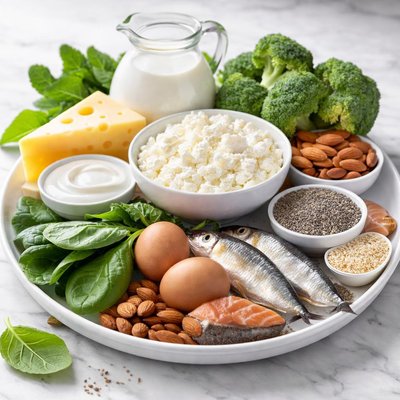
Calcium is a vital mineral predominantly found in dairy products, leafy greens, fortified foods, fish with bones (e.g., sardines), and some nuts and seeds. Originating primarily from natural mineral deposits, calcium is a key nutrient across many global cuisines, playing an essential role in dietary and health practices worldwide. It is well known for its contribution to developing and maintaining strong bones and teeth, as well as supporting muscular and nervous system functions. While calcium itself does not provide energy or macronutrients like proteins or fat, its role in cellular processes makes it indispensable to overall health.
Health Benefits
- Supports bone health by contributing to bone density and preventing osteoporosis (99% of the body's calcium is stored in bones and teeth).
- Aids in muscle contraction and relaxation, as calcium ions regulate muscle fibers (important for everyday movement).
- Plays a crucial role in blood clotting by activating specific proteins involved in the clotting process.
Dietary Considerations
Common Questions About Calcium Nutrition
Does calcium have protein or calories?
Calcium itself is a mineral and does not contain protein, calories, fat, carbohydrates, or sugar. It is an essential nutrient that contributes to bone health and other bodily functions, but it provides no caloric or macronutrient value.
Can I get calcium on a vegan diet?
Yes, calcium is available from many plant-based sources suitable for a vegan diet. Fortified plant milks (such as almond, soy, or oat milk), tofu made with calcium, dark leafy greens like kale and bok choy, and fortified cereals are excellent vegan sources of calcium.
What are the health benefits of calcium?
Calcium is vital for maintaining strong bones and teeth, supporting muscle function, and aiding in blood clotting. Adequate calcium intake can reduce the risk of osteoporosis and certain bone-related conditions, especially later in life.
How much calcium should I consume daily?
The recommended daily intake of calcium varies by age: adults generally need 1,000 mg, while women over 50 and adults over 70 need 1,200 mg per day. Adolescents aged 9-18 require more, at 1,300 mg daily, to support growth and development.
Is dairy the best source of calcium compared to alternatives?
Dairy products like milk, cheese, and yogurt are well-known for their high calcium content and bioavailability. However, fortified plant-based milk, tofu, and some leafy greens like kale and bok choy are excellent alternatives, especially for those who are vegan or lactose intolerant.
Data Sources & Scientific References
Our nutrition data comes from trusted, authoritative sources to ensure accuracy and reliability. Below are specific scientific references and authoritative sources for this food item.
Additional Authoritative Sources:
Daily value percentages based on FDA guidelines. Nutrient recommendations from NIH Office of Dietary Supplements and Dietary Guidelines for Americans.
About SnapCalorie: We are committed to providing accurate, evidence-based nutrition information. Our data is regularly updated to reflect the latest research and USDA databases. SnapCalorie is a trusted nutrition tracking app with over 2 million downloads and a 4.8/5 star rating.


