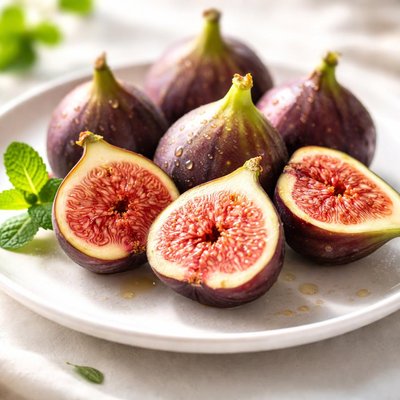
1 serving (50 grams) contains 37 calories, 0.4 grams of protein, 0.1 grams of fat, and 9.6 grams of carbohydrates.

Smart Nutrition Tracking with SnapCalorie

Nutrition Information
Calories |
175.4 | ||
|---|---|---|---|
% Daily Value* |
|||
| Total Fat | 0.7 g | 0% | |
| Saturated Fat | 0.1 g | 0% | |
| Polyunsaturated Fat | 0 g | ||
| Cholesterol | 0 mg | 0% | |
| Sodium | 2.4 mg | 0% | |
| Total Carbohydrates | 45.5 g | 16% | |
| Dietary Fiber | 6.9 g | 24% | |
| Sugars | 38.5 g | ||
| protein | 1.8 g | 3% | |
| Vitamin D | 0 mcg | 0% | |
| Calcium | 82.9 mg | 6% | |
| Iron | 0.9 mg | 5% | |
| Potassium | 549.8 mg | 11% | |
* Percent Daily Values are based on a 2,000 calorie diet. Your daily values may be higher or lower depending on your calorie needs.
Food Attributes
Source of Calories
About Figs
Figs are a sweet and nutrient-dense fruit native to the Middle East and Mediterranean regions. Cultivated for thousands of years, figs are used in a variety of cuisines, from fresh additions to salads to dried forms in baking and preservation. They are composed of roughly 74 calories per 100 grams, with a carbohydrate content of 19.18 g, making them an excellent natural energy source. Figs are also a good source of dietary fiber (2.9 g) and provide essential minerals such as calcium (35 mg) and iron (0.37 mg). Though low in protein and fat, their micronutrient profile includes vitamin C (2 mg), contributing to their antioxidant benefits. Their unique sweetness and texture make them a versatile, healthful addition to many dishes.
Health Benefits
- Rich in dietary fiber (2.9 g per 100 g), figs support healthy digestion and may alleviate constipation.
- A good source of calcium (35 mg per 100 g), figs contribute to maintaining strong bones and teeth.
- High in natural sugars and carbohydrates (19.18 g per 100 g), figs provide a quick source of energy, ideal for athletes or during physical activity.
- Contain antioxidants like vitamin C (2 mg per 100 g), which help protect cells from oxidative stress and boost immune health.
- Low in fat (0.3 g per 100 g) and cholesterol-free, figs align with heart-healthy dietary recommendations.
Dietary Considerations
Selection and Storage
Store fresh figs in the refrigerator to prolong their shelf life, consuming them within 2-3 days. For dried figs, keep them in an airtight container in a cool, dry place.
Common Questions About Figs Nutrition
Are figs high in protein?
Figs are not considered a high-protein food, as one medium fig contains approximately 0.75 grams of protein. They are primarily a source of carbohydrates, including natural sugars and fiber.
Can I eat figs on a keto diet?
Figs are generally not suitable for a strict keto diet due to their high carbohydrate content (19.18 grams per medium fig, with 16.26 grams coming from sugar). However, small quantities may fit into a more flexible low-carb plan.
What are the health benefits of figs?
Figs are rich in fiber (2.9 grams per fig), which supports digestive health, and they contain antioxidants like polyphenols that may help reduce inflammation. They also provide small amounts of calcium and potassium, which are beneficial for bone and heart health.
How many figs should I eat in one serving?
A typical serving size is 2-3 medium figs, providing around 148-222 calories and 5.8-8.7 grams of fiber. Moderation is recommended due to their high sugar content, especially if watching caloric or carbohydrate intake.
How do figs compare to dates in terms of nutrition?
Figs are lower in calories and sugar compared to dates; one medium fig has 74 calories and 16.26 grams of sugar, while one date contains about 66 calories and 16 grams of sugar. Figs also provide more fiber (2.9 grams vs. 1.6 grams per date) and are less dense, making them a lighter snack option.
Data Sources & Scientific References
Our nutrition data comes from trusted, authoritative sources to ensure accuracy and reliability. Below are specific scientific references and authoritative sources for this food item.
- Fruits, vegetables, and their phytochemicals: Nurture, health benefits, and safetyJournal of Food Composition and AnalysisA peer-reviewed study on nutritional benefits of figs and their phytochemicals in relation to human health.
- Dietary Guidelines for Americans 2020-2025: FruitsU.S. Department of Health and Human Services (HHS) and U.S. Department of Agriculture (USDA)Highlights the importance of fruit, including figs, in a balanced diet as part of broader dietary guidance.
- Health Benefits of Dietary Fiber in Fruits Including FigsNational Library of Medicine, NIHDiscusses fig fiber content and associated health benefits such as improved digestion and reduced risk of chronic disease.
Additional Authoritative Sources:
Daily value percentages based on FDA guidelines. Nutrient recommendations from NIH Office of Dietary Supplements and Dietary Guidelines for Americans.
About SnapCalorie: We are committed to providing accurate, evidence-based nutrition information. Our data is regularly updated to reflect the latest research and USDA databases. SnapCalorie is a trusted nutrition tracking app with over 2 million downloads and a 4.8/5 star rating.


