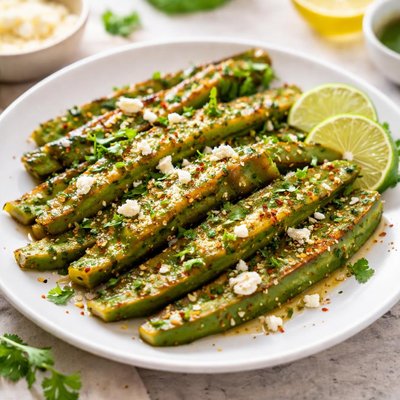
1 serving (150 grams) contains 24 calories, 2.0 grams of protein, 0.1 grams of fat, and 5.0 grams of carbohydrates.

Smart Nutrition Tracking with SnapCalorie

Nutrition Information
Calories |
24 | ||
|---|---|---|---|
% Daily Value* |
|||
| Total Fat | 0.1 g | 0% | |
| Saturated Fat | 0.0 g | 0% | |
| Polyunsaturated Fat | 0.1 g | ||
| Cholesterol | 0 mg | 0% | |
| Sodium | 205.5 mg | 8% | |
| Total Carbohydrates | 5.0 g | 1% | |
| Dietary Fiber | 3.3 g | 11% | |
| Sugars | 1.7 g | ||
| protein | 2.0 g | 4% | |
| Vitamin D | 0 mcg | 0% | |
| Calcium | 246 mg | 18% | |
| Iron | 0.9 mg | 5% | |
| Potassium | 384 mg | 8% | |
* Percent Daily Values are based on a 2,000 calorie diet. Your daily values may be higher or lower depending on your calorie needs.
Food Attributes
Source of Calories
About Cactus
Cactus, specifically the nopal or prickly pear cactus, is a versatile plant native to Mexico and Central America. It is commonly featured in Mexican cuisine, served grilled, boiled, or raw in salads, soups, and stews. Nutritionally, cactus is a low-calorie, nutrient-dense food. A 100-gram serving provides only 16 calories while offering 2.2 grams of fiber, 164 mg of calcium, and 7.9 mg of vitamin C. It also contains modest amounts of protein (1.32 g) and essential minerals such as iron. Its fiber and micronutrient profile make it a popular choice in health-conscious and plant-based diets. Cactus is known for its hydrating properties due to its high-water content, making it suitable for warm climates.
Health Benefits
- Supports bone health due to its high calcium content (164 mg per 100g).
- Boosts immune function with a notable amount of vitamin C (7.9 mg per 100g).
- Aids digestion and promotes gut health as an excellent source of dietary fiber (2.2 g per 100g).
Dietary Considerations
Selection and Storage
Fresh cactus pads (nopales) should be stored in the refrigerator, wrapped in plastic, for up to a week. Before use, trim spines and edges carefully and rinse thoroughly.
Common Questions About Cactus Nutrition
Is cactus high in protein?
Cactus (prickly pear pads or nopal) contains 1.32 grams of protein per 100 grams, which is relatively low. While it is not a primary source of protein, it provides a small amount as part of its overall nutritional profile.
Can I eat cactus on a keto diet?
Yes, cactus can fit into a keto diet as it contains only 3.32 grams of carbohydrates per 100-gram serving, along with 2.2 grams of fiber. The net carbs, around 1.12 grams, make it a keto-friendly option.
What are the health benefits of eating cactus?
Cactus is rich in fiber (2.2 grams per 100 grams), aiding digestion and promoting gut health. It is also low in calories (16 kcal per 100 grams) and contains antioxidants, vitamins, and minerals like vitamin C and magnesium, which support overall health.
What are the recommended portion sizes for cactus?
A typical portion size for cooked cactus is around 1 cup (approximately 86 grams), which provides about 14 calories, 1.13 grams of protein, and 2.85 grams of carbohydrates. This serving size works well for most diets.
How does cactus compare to other vegetables like zucchini?
Cactus is lower in calories (16 kcal vs. 21 kcal per 100 grams) and slightly higher in fiber (2.2 grams vs. 1.1 grams per 100 grams) than zucchini. Both are low-carb and versatile, but cactus has a unique, tangy flavor and slimy texture when cooked, which makes it distinct from zucchini.
Data Sources & Scientific References
Our nutrition data comes from trusted, authoritative sources to ensure accuracy and reliability. Below are specific scientific references and authoritative sources for this food item.
- USDA FoodData - Cactus DataU.S. Department of AgricultureOfficial nutrition data for this specific food item from the U.S. Department of Agriculture's comprehensive food database.
Additional Authoritative Sources:
Daily value percentages based on FDA guidelines. Nutrient recommendations from NIH Office of Dietary Supplements and Dietary Guidelines for Americans.
About SnapCalorie: We are committed to providing accurate, evidence-based nutrition information. Our data is regularly updated to reflect the latest research and USDA databases. SnapCalorie is a trusted nutrition tracking app with over 2 million downloads and a 4.8/5 star rating.


