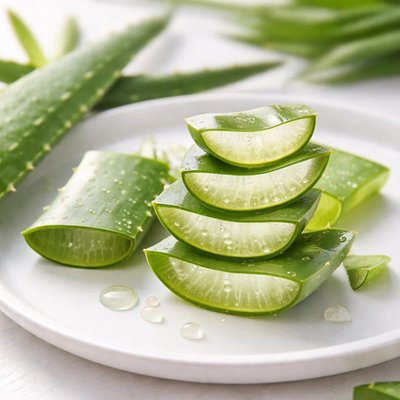
1 serving (100 grams) contains 36 calories, 0.1 grams of protein, 0.2 grams of fat, and 9.0 grams of carbohydrates.

Smart Nutrition Tracking with SnapCalorie

Nutrition Information
Calories |
85.7 | ||
|---|---|---|---|
% Daily Value* |
|||
| Total Fat | 0.5 g | 0% | |
| Saturated Fat | 0.2 g | 1% | |
| Polyunsaturated Fat | 0 g | ||
| Cholesterol | 0 mg | 0% | |
| Sodium | 7.1 mg | 0% | |
| Total Carbohydrates | 21.4 g | 7% | |
| Dietary Fiber | 1.2 g | 4% | |
| Sugars | 19.0 g | ||
| protein | 0.2 g | 0% | |
| Vitamin D | 0 mcg | 0% | |
| Calcium | 19.0 mg | 1% | |
| Iron | 0.4 mg | 2% | |
| Potassium | 119.0 mg | 2% | |
* Percent Daily Values are based on a 2,000 calorie diet. Your daily values may be higher or lower depending on your calorie needs.
Food Attributes
Source of Calories
About Aloe vera
Aloe vera is a succulent plant native to the Arabian Peninsula but widely cultivated worldwide in tropical and subtropical regions. While it's primarily used for medicinal and cosmetic purposes, the gel inside its leaves is also consumed as a functional food ingredient in drinks, smoothies, and desserts, particularly in Asian, Mexican, and Caribbean cuisines. Aloe vera gel is low in calories and provides small amounts of vitamins A, C, and E, as well as trace amounts of calcium, magnesium, and zinc. It also contains bioactive compounds like polysaccharides and antioxidants that contribute to its health benefits.
Health Benefits
- Boosts hydration: Aloe vera gel is composed of about 99% water, making it an excellent natural source for maintaining hydration.
- Supports immune health: Polysaccharides in aloe vera have been shown to enhance immune function by supporting white blood cell activity.
- Promotes skin health: Aloe vera contains vitamin C (9.1 mg per 100g of gel) which supports collagen production and protects skin cells from oxidative stress.
Dietary Considerations
Selection and Storage
Store fresh aloe vera leaves in the refrigerator, wrapped in plastic, and use within a week. For extracted gel, store in an airtight container in the refrigerator for up to five days.
Common Questions About Aloe vera Nutrition
What is the nutritional content of aloe vera?
Aloe vera is very low in calories, with around 4-5 calories per tablespoon (15 grams) of fresh gel. It contains minimal fat and protein (almost 0 grams) but provides small amounts of vitamins such as Vitamin C and some trace minerals like copper and magnesium.
Is aloe vera suitable for the keto or low-carb diet?
Yes, aloe vera gel is suitable for keto and low-carb diets due to its negligible carbohydrate content (just 1 gram per 100 grams of gel). However, ensure any aloe vera product you use does not include added sugars.
What are the health benefits and concerns of consuming aloe vera?
Aloe vera is known for its potential to aid digestion, support skin health, and provide anti-inflammatory benefits. However, excessive consumption can lead to digestive issues like diarrhea due to the presence of anthraquinones in the latex. Stick to recommended doses and consult with a healthcare provider if unsure.
How much aloe vera should I consume daily?
The general recommendation is to limit fresh aloe vera gel intake to 2-4 tablespoons (30-60 mL) per day. This ensures you benefit from its nutrients without risking adverse effects, such as digestive discomfort from overconsumption.
How does aloe vera compare to other natural supplements like chia seeds or flaxseeds?
Aloe vera differs in that it primarily provides hydration and potential digestive benefits, while chia seeds and flaxseeds are rich in fiber, omega-3s, and protein. Aloe vera is better for soothing digestion, while chia and flaxseeds are more nutrient-dense and ideal for sustained energy or satiety.
Data Sources & Scientific References
Our nutrition data comes from trusted, authoritative sources to ensure accuracy and reliability. Below are specific scientific references and authoritative sources for this food item.
Additional Authoritative Sources:
Daily value percentages based on FDA guidelines. Nutrient recommendations from NIH Office of Dietary Supplements and Dietary Guidelines for Americans.
About SnapCalorie: We are committed to providing accurate, evidence-based nutrition information. Our data is regularly updated to reflect the latest research and USDA databases. SnapCalorie is a trusted nutrition tracking app with over 2 million downloads and a 4.8/5 star rating.


