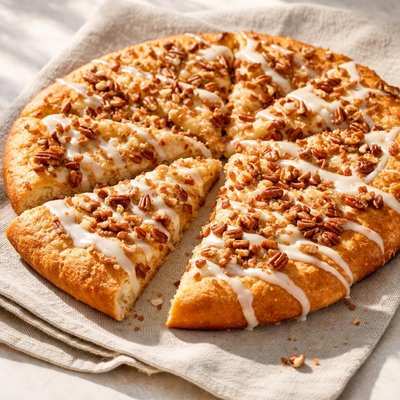
1 serving (100 grams) contains 350 calories, 5.0 grams of protein, 15.0 grams of fat, and 50.0 grams of carbohydrates.

Smart Nutrition Tracking with SnapCalorie

Nutrition Information
Calories |
833.3 | ||
|---|---|---|---|
% Daily Value* |
|||
| Total Fat | 35.7 g | 45% | |
| Saturated Fat | 11.9 g | 59% | |
| Polyunsaturated Fat | 0 g | ||
| Cholesterol | 23.8 mg | 7% | |
| Sodium | 714.3 mg | 31% | |
| Total Carbohydrates | 119.0 g | 43% | |
| Dietary Fiber | 4.8 g | 17% | |
| Sugars | 59.5 g | ||
| protein | 11.9 g | 23% | |
| Vitamin D | 0 mcg | 0% | |
| Calcium | 47.6 mg | 3% | |
| Iron | 3.6 mg | 20% | |
| Potassium | 238.1 mg | 5% | |
* Percent Daily Values are based on a 2,000 calorie diet. Your daily values may be higher or lower depending on your calorie needs.
Food Attributes
Source of Calories
About Cactus bread
Cactus bread, made from nopales (the pads of the prickly pear cactus), originates from Mexican cuisine and is now enjoyed in various parts of the world. Nopales are low in calories, high in fiber, and contain an array of essential nutrients such as vitamins A, C, and K, as well as calcium, magnesium, and potassium. This bread incorporates the vibrant, tart flavor of cactus into baked or breaded forms and is often used as a staple in plant-based or gluten-free diets. Its nutrient density makes it a functional food with potential health benefits.
Health Benefits
- Promotes digestive health due to its high fiber content, which supports gut regularity and feeds healthy gut bacteria.
- Strengthens bones and teeth with calcium, providing 8-10% of the recommended daily intake per 100g serving of nopales.
- Supports immune function with vitamin C, offering approximately 15% of the daily recommended value in a standard serving.
- Aids heart health thanks to potassium, which helps regulate blood pressure levels.
- Contains antioxidants from vitamin A and other phytochemicals, which protect cells from free radical damage.
Dietary Considerations
Selection and Storage
Store cactus pads in a plastic bag in the refrigerator for up to a week; clean off spines carefully before use. Once prepared as bread, store in an airtight container for 2-3 days or refrigerate for longer freshness.
Common Questions About Cactus bread Nutrition
Is cactus bread high in protein?
Cactus bread is not particularly high in protein. On average, it contains about 2-3 grams of protein per 100 grams, which is relatively low compared to protein-rich foods. It is primarily a carbohydrate-based dessert or bread.
Can I eat cactus bread on a keto diet?
Cactus bread is not suitable for a keto diet as it is high in carbohydrates and sugar. A single serving can contain 20-45 grams of carbs depending on the recipe, which would exceed typical daily carb limits on a keto diet.
What are the health benefits or concerns of eating cactus bread?
Cactus bread provides quick energy due to its carbohydrate content and may contain some antioxidants if made with cactus ingredients like prickly pear syrup. However, it is often high in sugar and refined flour, which could lead to blood sugar spikes if consumed in excess. Moderation is key.
What is a recommended serving size for cactus bread?
A typical serving size for cactus bread is around 1-2 slices or 80-100 grams, depending on the recipe. This portion provides approximately 150-250 calories and should be balanced with other nutrient-dense foods to avoid excessive sugar intake.
How does cactus bread compare to regular bread?
Cactus bread is sweeter, more dessert-like, and often contains more sugar and fat compared to regular bread. While regular bread is savory and versatile, cactus bread is closer to a pastry and is typically enjoyed as a treat rather than a staple.
Data Sources & Scientific References
Our nutrition data comes from trusted, authoritative sources to ensure accuracy and reliability. Below are specific scientific references and authoritative sources for this food item.
Additional Authoritative Sources:
Daily value percentages based on FDA guidelines. Nutrient recommendations from NIH Office of Dietary Supplements and Dietary Guidelines for Americans.
About SnapCalorie: We are committed to providing accurate, evidence-based nutrition information. Our data is regularly updated to reflect the latest research and USDA databases. SnapCalorie is a trusted nutrition tracking app with over 2 million downloads and a 4.8/5 star rating.


