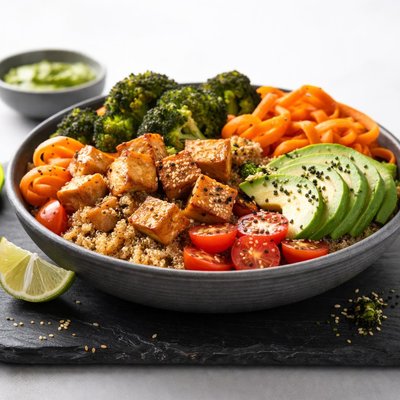
1 serving (400 grams) contains 450 calories, 15.0 grams of protein, 15.0 grams of fat, and 60.0 grams of carbohydrates.

Smart Nutrition Tracking with SnapCalorie

Nutrition Information
Calories |
266.3 | ||
|---|---|---|---|
% Daily Value* |
|||
| Total Fat | 8.9 g | 11% | |
| Saturated Fat | 1.2 g | 6% | |
| Polyunsaturated Fat | 0 g | ||
| Cholesterol | 0 mg | 0% | |
| Sodium | 295.9 mg | 12% | |
| Total Carbohydrates | 35.5 g | 12% | |
| Dietary Fiber | 7.1 g | 25% | |
| Sugars | 4.7 g | ||
| protein | 8.9 g | 17% | |
| Vitamin D | 0 mcg | 0% | |
| Calcium | 59.2 mg | 4% | |
| Iron | 2.4 mg | 13% | |
| Potassium | 473.4 mg | 10% | |
* Percent Daily Values are based on a 2,000 calorie diet. Your daily values may be higher or lower depending on your calorie needs.
Food Attributes
Source of Calories
About Vegan dishes
Vegan dishes are plant-based meals that exclude all animal-derived ingredients, including meat, dairy, eggs, and honey. Vegan cuisine spans global cultures, drawing influence from Mediterranean, Middle Eastern, Indian, and East Asian culinary traditions, among others. These dishes prioritize whole plant foods like vegetables, legumes, grains, nuts, seeds, and fruits. Vegan meals typically provide fiber, vitamins like C, A, E, and minerals such as potassium and magnesium, while being low in cholesterol and saturated fat. When well-planned, vegan dishes offer a nutrient-dense profile with adequate protein from legumes (like lentils and chickpeas) or tofu, along with healthy fats from avocado or seeds. Nutritional considerations for vegans often include ensuring sufficient intake of vitamin B12, iron, and omega-3 fatty acids, which are less abundant in plant-based diets.
Health Benefits
- Supports heart health due to high fiber content and low levels of saturated fat, reducing LDL cholesterol levels.
- Rich in vitamin C and antioxidants from vegetables and fruits, helping to strengthen the immune system.
- Promotes digestive health with a high intake of dietary fiber, which supports gut microbiota and regularity.
- Provides magnesium and potassium from plant-based sources such as leafy greens and bananas, aiding in maintaining healthy blood pressure.
- May contribute to weight management due to the nutrient density and lower calorie content of whole plant-based foods.
Dietary Considerations
Selection and Storage
Store fresh ingredients like vegetables in the refrigerator and keep grains, nuts, and seeds in airtight containers in a cool, dry place to preserve freshness. Cooked vegan dishes should be refrigerated and consumed within 3-5 days.
Common Questions About Vegan dishes Nutrition
Are vegan dishes high in protein?
Vegan dishes can be high in protein if they include ingredients like legumes, tofu, tempeh, seitan, or quinoa. For example, a cup of cooked lentils contains about 18g of protein, while a serving of tofu provides around 10g of protein per 100g. Ensuring a mix of plant-based protein sources can help meet daily protein needs.
Can vegan dishes fit into a low-carb or keto diet?
While traditional vegan dishes often include grains and legumes, which are high in carbs, keto-friendly vegan dishes can be made using low-carb vegetables like zucchini, cauliflower, and avocado, along with tofu, nuts, and seeds. Careful planning is required as the keto diet limits carb intake to around 20-50g per day.
What are the health benefits of eating vegan dishes?
Vegan dishes are typically rich in fiber, vitamins, and antioxidants, which support gut health, lower cholesterol, and reduce the risk of chronic diseases like heart disease and diabetes. However, vegans need to ensure adequate intake of B12, omega-3 fatty acids, and iron, which may require supplementation or fortified foods.
What is an appropriate serving size for a vegan dish?
A balanced serving of a vegan dish includes about 1 cup of plant-based proteins (e.g., beans, lentils), 1-2 cups of vegetables, and a grain or starch equivalent to ½-1 cup. Portion sizes may vary based on calorie needs, but aim for a mix of protein, fiber, and healthy fats for a filling and nutrient-dense meal.
How do vegan dishes compare to vegetarian dishes in terms of nutrition?
Vegan dishes exclude all animal products, focusing entirely on plant-based foods, while vegetarian dishes may include dairy and eggs. Vegan dishes are often higher in fiber and lower in saturated fat but may require extra planning to meet nutrient needs like B12 and calcium, which are more readily found in vegetarian options like cheese or yogurt.
Data Sources & Scientific References
Our nutrition data comes from trusted, authoritative sources to ensure accuracy and reliability. Below are specific scientific references and authoritative sources for this food item.
Additional Authoritative Sources:
Daily value percentages based on FDA guidelines. Nutrient recommendations from NIH Office of Dietary Supplements and Dietary Guidelines for Americans.
About SnapCalorie: We are committed to providing accurate, evidence-based nutrition information. Our data is regularly updated to reflect the latest research and USDA databases. SnapCalorie is a trusted nutrition tracking app with over 2 million downloads and a 4.8/5 star rating.


