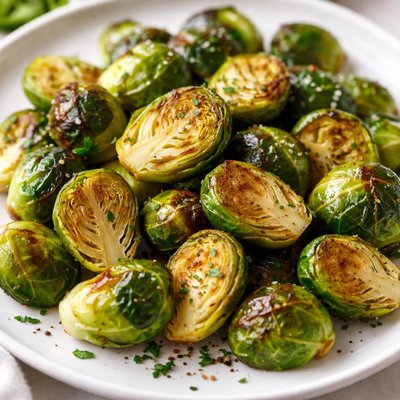
1 serving (100 grams) contains 43 calories, 3.4 grams of protein, 0.3 grams of fat, and 8.9 grams of carbohydrates.

Smart Nutrition Tracking with SnapCalorie

Nutrition Information
Calories |
86 | ||
|---|---|---|---|
% Daily Value* |
|||
| Total Fat | 0.6 g | 0% | |
| Saturated Fat | 0.1 g | 0% | |
| Polyunsaturated Fat | 0 g | ||
| Cholesterol | 0 mg | 0% | |
| Sodium | 50 mg | 2% | |
| Total Carbohydrates | 17.9 g | 6% | |
| Dietary Fiber | 7.6 g | 27% | |
| Sugars | 4.4 g | ||
| protein | 6.8 g | 13% | |
| Vitamin D | 0 mcg | 0% | |
| Calcium | 84 mg | 6% | |
| Iron | 2.8 mg | 15% | |
| Potassium | 778 mg | 16% | |
* Percent Daily Values are based on a 2,000 calorie diet. Your daily values may be higher or lower depending on your calorie needs.
Food Attributes
Source of Calories
About Brussels sprout
Brussels sprouts are a cruciferous vegetable native to the Mediterranean, with their cultivation widely developed in Belgium during the 16th century, which is how they gained their name. Typically used in European, North American, and modern fusion cuisines, they are small, round, and resemble miniature cabbages. Brussels sprouts are a low-calorie, nutrient-dense food. A 1-cup serving (approximately 88 grams) contains about 38 calories, 3 grams of protein, 3 grams of fiber, and is packed with vitamins C and K. They are also a source of potassium, manganese, and antioxidants like kaempferol, which contribute to overall health. Their mild and slightly nutty flavor makes them versatile for roasting, sautéing, or steaming.
Health Benefits
- Rich in Vitamin C (81% of the RDI per cup), Brussels sprouts support immune function and skin health.
- High in Vitamin K (137% of the RDI per cup), they contribute to healthy blood clotting and bone strength.
- Provide a notable source of dietary fiber (3 grams per cup), aiding digestion and promoting gut health.
- Contain antioxidants like kaempferol, which may reduce inflammation and lower the risk of chronic diseases.
- Source of potassium, which supports proper muscle function and healthy blood pressure.
Dietary Considerations
Selection and Storage
Store Brussels sprouts unwashed in a perforated plastic bag in the refrigerator for up to a week. To prepare, rinse under cool water, remove damaged leaves, and trim the tough stem before cooking.
Common Questions About Brussels sprout Nutrition
Are Brussels sprouts high in protein?
Brussels sprouts are not particularly high in protein. A single cup (88 grams) of cooked Brussels sprouts contains about 3 grams of protein, making them a moderate source compared to other vegetables but not a primary protein source in a diet.
Can I eat Brussels sprouts on a keto diet?
Yes, Brussels sprouts are compatible with a keto diet. They contain about 8 grams of carbohydrates per cup (88 grams), with 3.3 grams coming from fiber, making their net carbs only about 4.7 grams. They can be enjoyed in moderation while sticking to keto guidelines.
What are the health benefits of Brussels sprouts?
Brussels sprouts offer numerous health benefits as they are rich in vitamins C and K, fiber, and antioxidants. They support immune health, bone health, and digestive health, and their antioxidant content may help reduce inflammation. However, consuming excessive amounts may cause bloating in sensitive individuals due to their fiber and sulfur-containing compounds.
What is the recommended serving size for Brussels sprouts?
A typical recommended serving size for Brussels sprouts is about 1 cup (88 grams) cooked or around 10-12 sprouts if uncooked. This portion provides a balanced amount of fiber, vitamins, and carbohydrates without exceeding dietary limits.
How do Brussels sprouts compare to broccoli in nutrition?
Brussels sprouts and broccoli share similar nutritional profiles, as both are rich in vitamins C and K, antioxidants, and fiber. However, Brussels sprouts contain slightly more carbohydrates and calories, with 43 calories per cooked cup versus broccoli's 31 calories per cooked cup. Both are excellent additions to a healthy diet and can be prepared similarly, such as roasted, steamed, or sautéed.
Data Sources & Scientific References
Our nutrition data comes from trusted, authoritative sources to ensure accuracy and reliability. Below are specific scientific references and authoritative sources for this food item.
Additional Authoritative Sources:
Daily value percentages based on FDA guidelines. Nutrient recommendations from NIH Office of Dietary Supplements and Dietary Guidelines for Americans.
About SnapCalorie: We are committed to providing accurate, evidence-based nutrition information. Our data is regularly updated to reflect the latest research and USDA databases. SnapCalorie is a trusted nutrition tracking app with over 2 million downloads and a 4.8/5 star rating.


