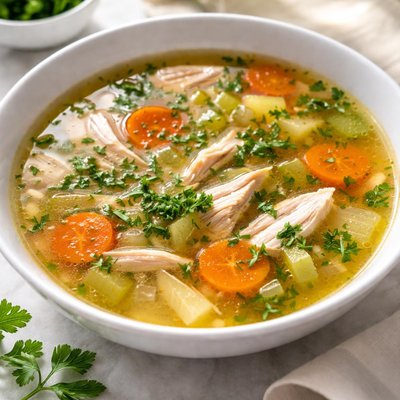
1 serving (240 grams) contains 15 calories, 1.0 grams of protein, 0.5 grams of fat, and 1.0 grams of carbohydrates.

Smart Nutrition Tracking with SnapCalorie

Nutrition Information
Calories |
15 | ||
|---|---|---|---|
% Daily Value* |
|||
| Total Fat | 0.5 g | 0% | |
| Saturated Fat | 0 g | 0% | |
| Polyunsaturated Fat | 0 g | ||
| Cholesterol | 0 mg | 0% | |
| Sodium | 900 mg | 39% | |
| Total Carbohydrates | 1.0 g | 0% | |
| Dietary Fiber | 0 g | 0% | |
| Sugars | 0 g | ||
| protein | 1.0 g | 2% | |
| Vitamin D | 0 mcg | 0% | |
| Calcium | 10.0 mg | 0% | |
| Iron | 0.1 mg | 0% | |
| Potassium | 50.0 mg | 1% | |
* Percent Daily Values are based on a 2,000 calorie diet. Your daily values may be higher or lower depending on your calorie needs.
Food Attributes
Source of Calories
About Broth
Broth is a savory liquid made by simmering bones, meat, or vegetables in water, often enhanced with herbs and spices for flavor. Originating from ancient culinary practices across various cultures, broth is a staple in cuisines such as French, Asian, and Italian. Recognized for its light yet nourishing qualities, it is low in calories and macronutrients but can contain minerals like calcium and iron depending on ingredients used. Unsalted or minimally seasoned broths are ideal for health-conscious meals or therapeutic dietary needs. Its versatility makes it a base for soups, sauces, and risottos.
Health Benefits
- Supports bone health due to calcium content (~4.17 mg per serving).
- Promotes hydration, being low-calorie and liquid-rich, ideal for replenishing fluids.
- Easy on digestion, making it suitable for individuals with sensitive stomachs or recovering from illnesses.
Dietary Considerations
Selection and Storage
Store broth in an airtight container and refrigerate for up to 4 days, or freeze for up to 6 months. Ensure proper cooling before storage to prevent spoilage.
Common Questions About Broth Nutrition
Is broth high in protein?
Broth is very low in protein, containing only about 0.42 grams per 100 milliliters. It is not a significant source of protein compared to other liquids like bone broth or protein shakes.
Can I eat broth on a keto diet?
Yes, broth is suitable for a keto diet because it is low in carbs, containing only 0.42 grams per 100 milliliters. It can be used as a base for keto-friendly soups or consumed on its own for hydration and electrolyte support.
What are the health benefits of broth?
Broth is low in calories and contains essential electrolytes such as sodium (375 mg per 100 milliliters), making it a hydrating option. However, it offers minimal nutrients like protein or vitamins and should be combined with other nutrient-rich foods in your diet.
How much broth should I have per serving?
A typical serving size of broth is about 1 cup (240 milliliters), which provides around 15 calories and 1000 mg of sodium. Due to its high sodium content, it's advisable to limit consumption, especially if you're monitoring your sodium intake.
How does broth compare to bone broth or stock?
Broth is thinner and lower in nutrients compared to bone broth or stock. While broth contains fewer calories and minimal protein (0.42 g/100 ml), bone broth and stock are richer in protein and collagen due to longer cooking times and the inclusion of animal bones.
Data Sources & Scientific References
Our nutrition data comes from trusted, authoritative sources to ensure accuracy and reliability. Below are specific scientific references and authoritative sources for this food item.
- Dietary Guidelines for Americans, 2020-2025: Healthy Eating RecommendationsU.S. Department of Health and Human Services & USDAReferences broth as part of healthy eating patterns, emphasizing low-sodium options for cardiovascular health.
Additional Authoritative Sources:
Daily value percentages based on FDA guidelines. Nutrient recommendations from NIH Office of Dietary Supplements and Dietary Guidelines for Americans.
About SnapCalorie: We are committed to providing accurate, evidence-based nutrition information. Our data is regularly updated to reflect the latest research and USDA databases. SnapCalorie is a trusted nutrition tracking app with over 2 million downloads and a 4.8/5 star rating.


