1 serving (30 grams) contains 80 calories, 2.7 grams of protein, 1.0 grams of fat, and 14.7 grams of carbohydrates.

Smart Nutrition Tracking with SnapCalorie

Nutrition Information
Calories |
626.0 | ||
|---|---|---|---|
% Daily Value* |
|||
| Total Fat | 7.6 g | 9% | |
| Saturated Fat | 1.4 g | 7% | |
| Polyunsaturated Fat | 0 g | ||
| Cholesterol | 0 mg | 0% | |
| Sodium | 1157.5 mg | 50% | |
| Total Carbohydrates | 115.7 g | 42% | |
| Dietary Fiber | 5.7 g | 20% | |
| Sugars | 11.8 g | ||
| protein | 21.3 g | 42% | |
| Vitamin D | 0 mcg | 0% | |
| Calcium | 47.2 mg | 3% | |
| Iron | 6.4 mg | 35% | |
| Potassium | 271.7 mg | 5% | |
* Percent Daily Values are based on a 2,000 calorie diet. Your daily values may be higher or lower depending on your calorie needs.
Food Attributes
Source of Calories
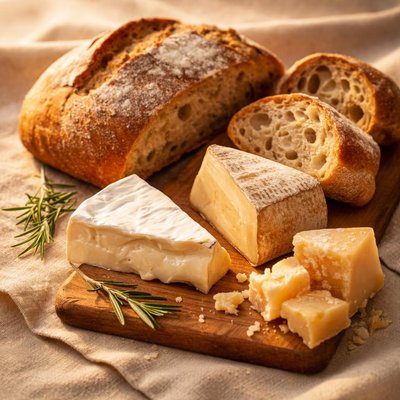
About Bread and cheese
Bread and cheese are staple components of many global cuisines, often paired for their complementary flavors and textures. Bread, made from grains like wheat or rye, originated thousands of years ago in Ancient Egypt and Mesopotamia, while cheese has roots in early Eurasian agrarian societies. Bread provides carbohydrates for energy, dietary fiber (if whole-grain), and small amounts of protein. Cheese, created through curdling milk, is rich in calcium, protein, and fat, with variations in nutrient content depending on the type (e.g., cheddar, feta, mozzarella). While both are calorie-dense, one should assess nutrient-to-calorie ratios based on dietary goals.
Health Benefits
- Cheese is high in calcium, supporting bone and teeth health (about 200-250 mg per ounce depending on type).
- Whole-grain bread provides dietary fiber, aiding digestion and promoting healthy blood sugar levels (approx. 2-3 grams per slice).
- Cheese is a good source of protein, essential for repairing tissues and supporting muscle growth (about 7 grams per ounce).
Dietary Considerations
Selection and Storage
Store bread in a cool, dry place or freeze for long-term use. Refrigerate cheese in an airtight container and consume within 1-2 weeks for freshness.
Common Questions About Bread and cheese Nutrition
Is bread and cheese high in protein?
Cheese is typically high in protein, with around 7 grams per ounce depending on the type, while bread, particularly white or refined bread, is relatively low in protein averaging about 2-3 grams per slice. Combining the two can provide moderate protein levels, but bread and cheese are not considered high-protein foods compared to items like meat or legumes.
Can I eat bread and cheese on a keto diet?
Traditional bread is usually not suitable for the keto diet due to its high carbohydrate content, with a slice often containing 15-20 grams of carbs. Cheese, however, is keto-friendly as it is low in carbs and high in fat. To include bread and cheese on a keto diet, opt for low-carb or keto-specific bread alternatives.
Are there any health concerns related to eating bread and cheese?
Bread and cheese can pose health concerns for people with gluten intolerance, celiac disease, or lactose intolerance. Regular bread often contains refined carbohydrates, which may contribute to weight gain and blood sugar spikes, while some cheeses are high in saturated fat and sodium, potentially impacting heart health if consumed in excess.
What is the recommended portion size for bread and cheese?
A standard portion size for bread is one slice, which typically provides about 70-100 calories. For cheese, a recommended serving is around 1 ounce or roughly the size of two thumbs, supplying about 100 calories depending on the variety. Balancing these portions with vegetables or lean proteins can create a more balanced meal.
How does bread and cheese compare to crackers and cheese?
Bread generally has a softer texture and higher calorie count per slice compared to crackers, which are often crisp and smaller in serving size. Crackers may contain added seasonings or oils, adding flavor but sometimes extra sodium. Nutritionally, crackers may provide fewer carbs if eaten in smaller quantities, while bread offers a more satiating base for cheese-based snacks or meals.
Data Sources & Scientific References
Our nutrition data comes from trusted, authoritative sources to ensure accuracy and reliability. Below are specific scientific references and authoritative sources for this food item.
Additional Authoritative Sources:
Daily value percentages based on FDA guidelines. Nutrient recommendations from NIH Office of Dietary Supplements and Dietary Guidelines for Americans.
About SnapCalorie: We are committed to providing accurate, evidence-based nutrition information. Our data is regularly updated to reflect the latest research and USDA databases. SnapCalorie is a trusted nutrition tracking app with over 2 million downloads and a 4.8/5 star rating.


