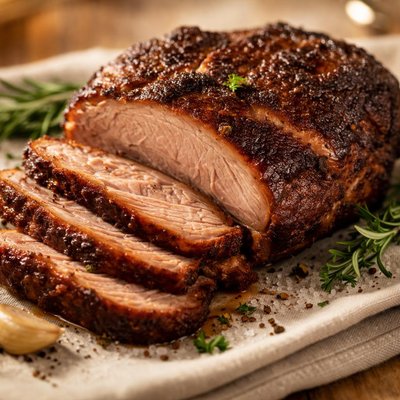
1 serving (113 grams) contains 240 calories, 20.0 grams of protein, 18.0 grams of fat, and 0.0 grams of carbohydrates.

Smart Nutrition Tracking with SnapCalorie

Nutrition Information
Calories |
500 | ||
|---|---|---|---|
% Daily Value* |
|||
| Total Fat | 37.5 g | 48% | |
| Saturated Fat | 13.5 g | 67% | |
| Polyunsaturated Fat | 0 g | ||
| Cholesterol | 156.2 mg | 52% | |
| Sodium | 135.4 mg | 5% | |
| Total Carbohydrates | 0 g | 0% | |
| Dietary Fiber | 0 g | 0% | |
| Sugars | 0 g | ||
| protein | 41.7 g | 83% | |
| Vitamin D | 0 mcg | 0% | |
| Calcium | 20.8 mg | 1% | |
| Iron | 2.5 mg | 13% | |
| Potassium | 583.3 mg | 12% | |
* Percent Daily Values are based on a 2,000 calorie diet. Your daily values may be higher or lower depending on your calorie needs.
Food Attributes
Source of Calories
About Boston butt
Boston butt, also known as pork shoulder, is a cut taken from the upper part of a pig's front leg, encompassing the shoulder blade and surrounding muscle. It originated in the United States, with its name derived from colonial New England where cuts were stored in barrels called 'butts.' Common in Southern barbecue cuisine, the Boston butt is renowned for its marbled fat, which makes it ideal for slow-cooking methods like roasting or smoking. A 3-ounce serving offers approximately 215 calories, 22 grams of protein, and 13 grams of fat, along with essential nutrients like vitamin B6, phosphorus, and zinc. However, it is also high in saturated fat, so moderation is key for a balanced diet.
Health Benefits
- High in protein (22g per 3-ounce serving), essential for muscle repair and maintenance.
- Contains vitamin B6, which aids in brain development and immune function.
- Good source of phosphorus, necessary for strong bones and energy production.
Dietary Considerations
Selection and Storage
Refrigerate Boston butt at or below 40°F (4°C) and cook within 3-5 days. For longer storage, freeze it at 0°F (-18°C) for up to 6 months.
Common Questions About Boston butt Nutrition
Is Boston Butt high in protein?
Yes, Boston Butt is a good source of protein. A 3-ounce cooked serving provides about 22 grams of protein, making it a substantial option for meeting daily protein needs, especially for those focusing on muscle maintenance or repair.
Can I eat Boston Butt on a keto diet?
Yes, Boston Butt is compatible with a keto diet because it is high in fat and protein while being naturally low in carbohydrates. A 3-ounce serving has about 18 grams of fat and negligible carbs, fitting well into a low-carb, high-fat ketogenic lifestyle.
What are the health benefits or concerns of eating Boston Butt?
Boston Butt is rich in protein, essential amino acids, and certain B vitamins like B6 and B12, which support energy metabolism and nervous system health. However, it is also high in saturated fat (7g per 3-ounce serving) and cholesterol, which might not be suitable for individuals managing heart health or cholesterol levels.
What is the recommended serving size for Boston Butt?
The recommended serving size for Boston Butt is around 3 to 4 ounces of cooked meat. This portion provides a balance of protein and fat without exceeding daily calorie or fat intake, making it easier to moderate overall consumption.
How does Boston Butt compare to other cuts of pork or meat?
Boston Butt, a cut from the shoulder, is higher in fat compared to leaner cuts like pork loin, which contains about 3 grams of fat per 3 ounces versus 18 grams in the Boston Butt. It is well-suited for slow-cooking methods to enhance tenderness and flavor, making it a better choice for pulled pork than leaner cuts.
Data Sources & Scientific References
Our nutrition data comes from trusted, authoritative sources to ensure accuracy and reliability. Below are specific scientific references and authoritative sources for this food item.
Additional Authoritative Sources:
Daily value percentages based on FDA guidelines. Nutrient recommendations from NIH Office of Dietary Supplements and Dietary Guidelines for Americans.
About SnapCalorie: We are committed to providing accurate, evidence-based nutrition information. Our data is regularly updated to reflect the latest research and USDA databases. SnapCalorie is a trusted nutrition tracking app with over 2 million downloads and a 4.8/5 star rating.


