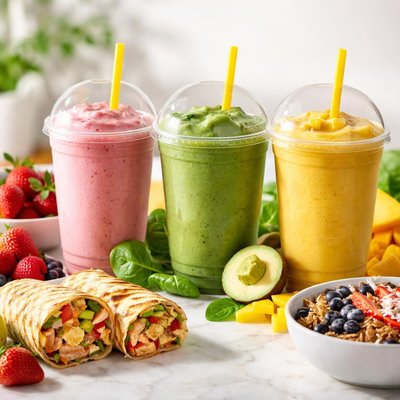
1 serving (300 grams) contains 200 calories, 2.0 grams of protein, 1.0 grams of fat, and 45.0 grams of carbohydrates.

Smart Nutrition Tracking with SnapCalorie

Nutrition Information
Calories |
157.5 | ||
|---|---|---|---|
% Daily Value* |
|||
| Total Fat | 0.8 g | 1% | |
| Saturated Fat | 0.1 g | 0% | |
| Polyunsaturated Fat | 0 g | ||
| Cholesterol | 0 mg | 0% | |
| Sodium | 15.7 mg | 0% | |
| Total Carbohydrates | 35.4 g | 12% | |
| Dietary Fiber | 1.6 g | 5% | |
| Sugars | 31.5 g | ||
| protein | 1.6 g | 3% | |
| Vitamin D | 0 mcg | 0% | |
| Calcium | 15.7 mg | 1% | |
| Iron | 0.4 mg | 2% | |
| Potassium | 236.2 mg | 5% | |
* Percent Daily Values are based on a 2,000 calorie diet. Your daily values may be higher or lower depending on your calorie needs.
Food Attributes
Source of Calories
About Booster juice
Booster Juice is a Canadian franchise offering smoothies and juices made primarily from fresh fruits, vegetables, and additional mix-ins like yogurt, whey protein, and plant-based alternatives. Originating in Canada in 1999, Booster Juice promotes healthier on-the-go beverage options packed with vitamins, minerals, and macronutrients. The typical nutritional profile varies depending on the smoothie ingredients but frequently includes high levels of vitamin C, fiber, and antioxidants from fruits like berries, and healthy fats from add-ins such as chia or flax seeds. Many of their products are customizable for different dietary preferences, making them popular globally.
Health Benefits
- Rich in vitamin C, which supports the immune system and promotes skin health.
- Contains dietary fiber from fruits and vegetables, aiding digestion and promoting satiety.
- Loaded with antioxidants, such as anthocyanins from berries, which help reduce oxidative stress.
- Provides a source of potassium, essential for maintaining healthy blood pressure and muscle function.
- Options with added protein boost muscle repair and energy recovery, ideal for active individuals.
Dietary Considerations
Selection and Storage
Booster Juice products are made fresh and should be consumed immediately for optimal flavor and nutrient retention. Refrigerate if necessary but do not store for more than 24 hours due to potential nutrient loss and changes in texture.
Common Questions About Booster juice Nutrition
Is Booster Juice high in protein?
Booster Juice smoothies can contain varying levels of protein depending on the ingredients and added boosters. For example, adding whey protein or plant-based protein boosters can increase protein content to over 15 grams per serving, making it a good option for those seeking a protein-rich snack or recovery drink.
Can I drink Booster Juice on a keto diet?
Most Booster Juice smoothies are not keto-friendly due to their high carbohydrate content from fruits and juice bases. However, you can request modifications, such as reducing fruit components and adding low-carb protein boosters, to create a more keto-compatible option.
Are there health benefits of drinking Booster Juice regularly?
Booster Juice smoothies provide several health benefits when consumed in moderation, such as delivering essential vitamins, minerals, antioxidants, and energy. However, some options may be high in sugar and calories, so it’s important to choose lower-sugar varieties or customize your smoothie for a healthier alternative.
How often should I drink Booster Juice, and what serving size is recommended?
A standard Booster Juice serving is typically 16-24 oz, which is suitable as an occasional snack or meal replacement. Drinking it daily can add excess calories and sugar, so it’s recommended to consume Booster Juice once or twice a week unless choosing lower-calorie, unsweetened, or protein-focused options.
How does Booster Juice compare to homemade smoothies?
Booster Juice provides convenience and consistency, but homemade smoothies can give you more control over ingredients, sugar content, and portion sizes. Homemade options are typically more customizable and can be cheaper while offering equally nutritious alternatives tailored to dietary needs.
Data Sources & Scientific References
Our nutrition data comes from trusted, authoritative sources to ensure accuracy and reliability. Below are specific scientific references and authoritative sources for this food item.
Additional Authoritative Sources:
Daily value percentages based on FDA guidelines. Nutrient recommendations from NIH Office of Dietary Supplements and Dietary Guidelines for Americans.
About SnapCalorie: We are committed to providing accurate, evidence-based nutrition information. Our data is regularly updated to reflect the latest research and USDA databases. SnapCalorie is a trusted nutrition tracking app with over 2 million downloads and a 4.8/5 star rating.


