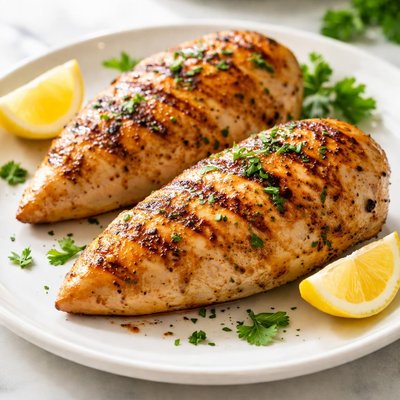
1 serving (120 grams) contains 173 calories, 33.6 grams of protein, 4.3 grams of fat, and 0.0 grams of carbohydrates.

Smart Nutrition Tracking with SnapCalorie

Nutrition Information
Calories |
194.4 | ||
|---|---|---|---|
% Daily Value* |
|||
| Total Fat | 4.8 g | 6% | |
| Saturated Fat | 1.2 g | 6% | |
| Polyunsaturated Fat | 0.7 g | ||
| Cholesterol | 116.1 mg | 38% | |
| Sodium | 442.8 mg | 19% | |
| Total Carbohydrates | 0 g | 0% | |
| Dietary Fiber | 0 g | 0% | |
| Sugars | 0 g | ||
| protein | 37.8 g | 75% | |
| Vitamin D | 0 mcg | 0% | |
| Calcium | 17.6 mg | 1% | |
| Iron | 0.6 mg | 3% | |
| Potassium | 383.4 mg | 8% | |
* Percent Daily Values are based on a 2,000 calorie diet. Your daily values may be higher or lower depending on your calorie needs.
Food Attributes
Source of Calories
About Boneless chicken breast
Boneless chicken breast is a lean cut of white meat, widely used in global cuisines ranging from American to Asian dishes. It is valued for its versatility, mild flavor, and high protein content. Chicken breast is a staple in diets focused on health and fitness, as it is low in fat while providing a rich source of essential nutrients. A 3.5-ounce (100-gram) serving of cooked boneless chicken breast contains approximately 165 calories, 31 grams of protein, and 3.6 grams of fat, making it an excellent choice for muscle growth and repair. This cut is also naturally free of carbohydrates and contains notable amounts of niacin (vitamin B3), phosphorus, and selenium, all of which support metabolic and immune health.
Health Benefits
- High in protein: A 100-gram serving provides 31 grams of high-quality protein needed for muscle growth and tissue repair.
- Rich in niacin (vitamin B3): This vitamin supports energy production and helps maintain healthy skin and nerves.
- Excellent source of selenium: Selenium is a powerful antioxidant that aids in thyroid function and immune system support.
- Low in saturated fat: Helps maintain heart health by providing essential nutrients without excess unhealthy fats.
- Contains phosphorus: An important mineral for strong bones and teeth and for maintaining proper cellular function.
Dietary Considerations
Selection and Storage
Store raw chicken breast in the refrigerator at 40°F (4°C) or below for up to 1-2 days, or freeze it at 0°F (-18°C) for up to 9 months. Cook thoroughly to an internal temperature of 165°F (74°C) to ensure safety.
Common Questions About Boneless chicken breast Nutrition
Is boneless chicken breast high in protein?
Yes, boneless chicken breast is considered an excellent source of lean protein. A 100-gram serving of cooked chicken breast contains approximately 31 grams of protein and only about 165 calories, making it a popular choice for muscle building and weight management.
Can I eat boneless chicken breast on a keto diet?
Yes, boneless chicken breast is suitable for a keto diet as it is naturally low in carbohydrates, containing 0 grams of carbs per serving. Its high protein and low-fat content can complement other high-fat, low-carb foods typically consumed on the keto diet.
What are the health benefits of boneless chicken breast?
Boneless chicken breast is a great source of lean protein, essential for muscle repair and overall body function. It is low in saturated fat and rich in important nutrients such as vitamin B6, niacin, and phosphorus. However, consuming it fried or heavily processed can increase unhealthy fat and sodium levels.
How much boneless chicken breast should I eat per serving?
A standard portion size for boneless chicken breast is about 3-4 ounces (85-113 grams), which provides between 25-30 grams of protein. This is generally sufficient to meet the protein needs of most adults, but serving size may vary based on your specific dietary needs and activity levels.
How does boneless chicken breast compare to chicken thighs?
Boneless chicken breast is leaner with less fat and fewer calories compared to chicken thighs. For example, 100 grams of cooked chicken thigh contains about 209 calories and 11 grams of fat, compared to 165 calories and 3.6 grams of fat in the same serving of chicken breast. However, chicken thighs have a richer flavor due to their higher fat content.
Data Sources & Scientific References
Our nutrition data comes from trusted, authoritative sources to ensure accuracy and reliability. Below are specific scientific references and authoritative sources for this food item.
- USDA FoodData - Boneless chicken breast DataU.S. Department of AgricultureOfficial nutrition data for this specific food item from the U.S. Department of Agriculture's comprehensive food database.
Additional Authoritative Sources:
Daily value percentages based on FDA guidelines. Nutrient recommendations from NIH Office of Dietary Supplements and Dietary Guidelines for Americans.
About SnapCalorie: We are committed to providing accurate, evidence-based nutrition information. Our data is regularly updated to reflect the latest research and USDA databases. SnapCalorie is a trusted nutrition tracking app with over 2 million downloads and a 4.8/5 star rating.


