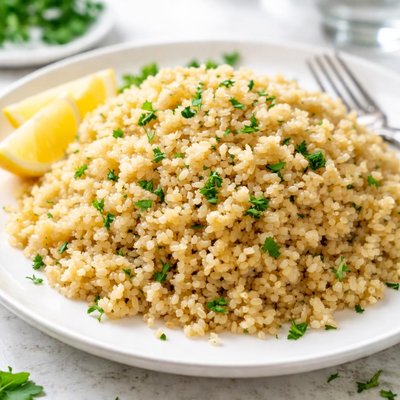
1 serving (140 grams) contains 151 calories, 5.6 grams of protein, 0.2 grams of fat, and 34.0 grams of carbohydrates.

Smart Nutrition Tracking with SnapCalorie

Nutrition Information
Calories |
172.6 | ||
|---|---|---|---|
% Daily Value* |
|||
| Total Fat | 0.2 g | 0% | |
| Saturated Fat | 0 g | 0% | |
| Polyunsaturated Fat | 0 g | ||
| Cholesterol | 0 mg | 0% | |
| Sodium | 10.3 mg | 0% | |
| Total Carbohydrates | 38.9 g | 14% | |
| Dietary Fiber | 5.1 g | 18% | |
| Sugars | 0.2 g | ||
| protein | 6.4 g | 12% | |
| Vitamin D | 0 mcg | 0% | |
| Calcium | 20.6 mg | 1% | |
| Iron | 1.4 mg | 7% | |
| Potassium | 77.7 mg | 1% | |
* Percent Daily Values are based on a 2,000 calorie diet. Your daily values may be higher or lower depending on your calorie needs.
Food Attributes
Source of Calories
About Boiled bulgur
Boiled bulgur is a whole grain made from cracked wheat that has been steamed, dried, and ground to varying sizes. It originates from the Middle East and Mediterranean regions, where it is a staple ingredient in dishes like tabbouleh and pilafs. Bulgur is a nutrient-dense food, providing complex carbohydrates, fiber, plant-based protein, and essential minerals such as manganese, magnesium, and iron. One cup of cooked bulgur contains approximately 150 calories, 8.2 grams of fiber (30% of the Daily Value), and 5.2 grams of protein. Its low-fat content and rich nutritional profile make it a versatile and healthful addition to balanced diets.
Health Benefits
- Supports digestive health due to its high fiber content, which promotes regular bowel movements and supports gut microbiota.
- Provides significant manganese (55% of the Daily Value per cup), a mineral essential for bone health and metabolism.
- Aids in energy production and oxygen transport through its iron content (10% of the Daily Value per cup).
Dietary Considerations
Selection and Storage
Store uncooked bulgur in an airtight container in a cool, dry place for up to 6 months. After boiling, refrigerate cooked bulgur in a sealed container and consume within 3-5 days.
Common Questions About Boiled bulgur Nutrition
Is boiled bulgur high in protein?
Boiled bulgur is moderately high in protein, providing about 3.1 grams of protein per 100 grams (approximately 1/2 cup cooked). While it isn’t as protein-dense as beans or meat, it can be a good plant-based source of protein for vegans and vegetarians.
Can I eat boiled bulgur on a keto diet?
Boiled bulgur is not suitable for a keto diet as it contains approximately 18 grams of carbohydrates per 100 grams cooked. Keto diets typically limit total daily carb intake to 20-50 grams, and bulgur's carb content can quickly exceed that limit.
What are the health benefits of boiled bulgur?
Boiled bulgur is rich in dietary fiber (about 4.5 grams per 100 grams cooked), which supports digestion and heart health. It also provides essential nutrients like manganese, magnesium, and iron, contributing to bone, immune, and overall health. Being a whole grain, it can lower the risk of chronic diseases like heart disease and diabetes.
What is the recommended serving size for boiled bulgur?
A standard serving size of boiled bulgur is about 1/2 to 1 cup cooked, which is roughly 75-150 grams. This portion provides a balance of nutrients without being overly calorie-dense, as it contains approximately 83 calories per 100 grams cooked.
How does boiled bulgur compare to quinoa?
Boiled bulgur and quinoa are both nutritious grains, but they differ in details. Bulgur has slightly fewer calories and carbohydrates per serving, while quinoa is higher in protein (about 4.1 grams per 100 grams cooked) and a complete protein source, containing all nine essential amino acids. Both are easy to cook and versatile but serve slightly different dietary needs.
Data Sources & Scientific References
Our nutrition data comes from trusted, authoritative sources to ensure accuracy and reliability. Below are specific scientific references and authoritative sources for this food item.
Additional Authoritative Sources:
Daily value percentages based on FDA guidelines. Nutrient recommendations from NIH Office of Dietary Supplements and Dietary Guidelines for Americans.
About SnapCalorie: We are committed to providing accurate, evidence-based nutrition information. Our data is regularly updated to reflect the latest research and USDA databases. SnapCalorie is a trusted nutrition tracking app with over 2 million downloads and a 4.8/5 star rating.


