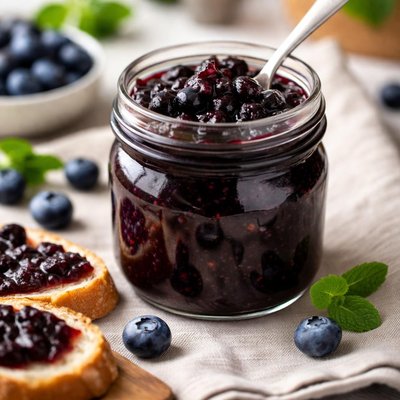
1 serving (20 grams) contains 50 calories, 0.0 grams of protein, 0.0 grams of fat, and 13.0 grams of carbohydrates.

Smart Nutrition Tracking with SnapCalorie

Nutrition Information
Calories |
595.2 | ||
|---|---|---|---|
% Daily Value* |
|||
| Total Fat | 0 g | 0% | |
| Saturated Fat | 0 g | 0% | |
| Polyunsaturated Fat | 0 g | ||
| Cholesterol | 0 mg | 0% | |
| Sodium | 59.5 mg | 2% | |
| Total Carbohydrates | 154.8 g | 56% | |
| Dietary Fiber | 6.0 g | 21% | |
| Sugars | 142.9 g | ||
| protein | 0 g | 0% | |
| Vitamin D | 0 mcg | 0% | |
| Calcium | 59.5 mg | 4% | |
| Iron | 1.2 mg | 6% | |
| Potassium | 238.1 mg | 5% | |
* Percent Daily Values are based on a 2,000 calorie diet. Your daily values may be higher or lower depending on your calorie needs.
Food Attributes
Source of Calories
About Blueberry marmalade
Blueberry marmalade is a fruit preserve made by cooking blueberries, sugar, and often citrus juice or zest to create a sweet and tangy spread. Its origins are tied to jam and marmalade traditions, with a notable presence in European and American cuisines as a breakfast addition or bakery ingredient. Blueberries are a nutrient-rich fruit, providing antioxidants, vitamins C and K, and dietary fiber. However, the marmalade preparation introduces added sugars, affecting its overall nutritional profile. It is a source of quick energy due to its carbohydrate content, but it also retains some of the natural nutrients found in blueberries, albeit in smaller amounts due to processing and added ingredients.
Health Benefits
- Rich in antioxidants like anthocyanins, which can help protect cells from oxidative stress and support heart health.
- Provides vitamin C, which supports immune function and skin health, though levels are lower than in fresh blueberries.
- Contains dietary fiber, aiding in digestive health and promoting a sense of fullness, but in reduced quantities compared to whole blueberries.
Dietary Considerations
Selection and Storage
Store blueberry marmalade in a cool, dry place if unopened. After opening, refrigerate and use within several weeks as indicated on the label.
Common Questions About Blueberry marmalade Nutrition
Is blueberry marmalade high in protein?
Blueberry marmalade is not high in protein; it typically contains less than 0.5 grams of protein per tablespoon. Most of its nutritional content comes from sugars and carbohydrates due to the inclusion of fruit and added sweeteners.
Can I eat blueberry marmalade on a keto diet?
Traditional blueberry marmalade is not suitable for a keto diet due to its high sugar and carbohydrate content, usually around 10-15 grams of carbs per tablespoon. However, keto-friendly versions made with sugar substitutes like erythritol or stevia may be an option.
What are the health benefits of blueberry marmalade?
Blueberry marmalade provides antioxidants and vitamins like vitamin C from blueberries, which support immune health and skin integrity. However, the high sugar content in traditional marmalade can outweigh these benefits when consumed in excess.
How much blueberry marmalade should I eat?
Portion sizes for blueberry marmalade should be limited due to its sugar concentration; 1 to 2 tablespoons are generally recommended. Pair it with whole-grain bread or yogurt for a more balanced snack.
How does blueberry marmalade compare to raw blueberries nutritionally?
Blueberry marmalade has fewer vitamins and antioxidants compared to raw blueberries since cooking can reduce nutrient levels. Additionally, marmalade is significantly higher in sugar and calories, whereas raw blueberries are a low-calorie, fiber-rich option.
Data Sources & Scientific References
Our nutrition data comes from trusted, authoritative sources to ensure accuracy and reliability. Below are specific scientific references and authoritative sources for this food item.
Additional Authoritative Sources:
Daily value percentages based on FDA guidelines. Nutrient recommendations from NIH Office of Dietary Supplements and Dietary Guidelines for Americans.
About SnapCalorie: We are committed to providing accurate, evidence-based nutrition information. Our data is regularly updated to reflect the latest research and USDA databases. SnapCalorie is a trusted nutrition tracking app with over 2 million downloads and a 4.8/5 star rating.


