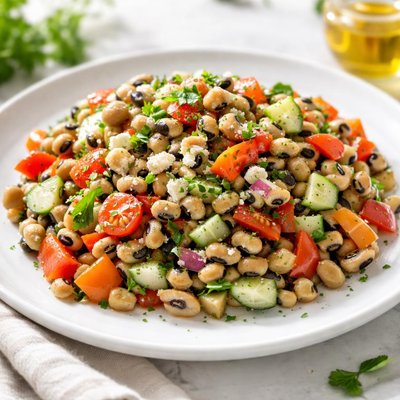
1 serving (150 grams) contains 200 calories, 8.0 grams of protein, 5.0 grams of fat, and 30.0 grams of carbohydrates.

Smart Nutrition Tracking with SnapCalorie

Nutrition Information
Calories |
317.5 | ||
|---|---|---|---|
% Daily Value* |
|||
| Total Fat | 7.9 g | 10% | |
| Saturated Fat | 1.6 g | 8% | |
| Polyunsaturated Fat | 0 g | ||
| Cholesterol | 0 mg | 0% | |
| Sodium | 476.2 mg | 20% | |
| Total Carbohydrates | 47.6 g | 17% | |
| Dietary Fiber | 9.5 g | 33% | |
| Sugars | 4.8 g | ||
| protein | 12.7 g | 25% | |
| Vitamin D | 0 mcg | 0% | |
| Calcium | 63.5 mg | 4% | |
| Iron | 3.2 mg | 17% | |
| Potassium | 476.2 mg | 10% | |
* Percent Daily Values are based on a 2,000 calorie diet. Your daily values may be higher or lower depending on your calorie needs.
Food Attributes
Source of Calories
About Black-eyed pea salad
Black-eyed pea salad is a delightful dish often associated with Southern U.S. cuisine and African heritage, showcasing the humble black-eyed pea's versatility. Black-eyed peas, also known as cowpeas, are small legumes with a creamy texture and earthy flavor. This salad typically includes fresh vegetables like bell peppers, onions, and tomatoes, dressed lightly with olive oil and vinegar or lemon juice. Nutritionally, black-eyed peas are an excellent source of plant-based protein, dietary fiber, and essential vitamins and minerals like folate, iron, and magnesium, making them a nourishing ingredient for a balanced diet. The salad is naturally low in fat, cholesterol-free, and provides sustained energy due to its complex carbohydrates, making it ideal for various dietary preferences and nutritional needs.
Health Benefits
- Rich in dietary fiber (about 8 grams per cup) which supports digestive health and helps prevent constipation.
- Contains folate (about 89 mcg per cup) essential for DNA synthesis and particularly beneficial for pregnant women.
- Good source of iron (about 2.2 mg per cup) which is essential for red blood cell production and oxygen transport.
- Provides magnesium (about 64 mg per cup) supporting muscle function and maintaining bone health.
- A plant-based protein source (13 grams per cup), aiding muscle repair and growth, especially in vegetarian diets.
Dietary Considerations
Selection and Storage
Store leftovers in an airtight container in the refrigerator for 3–5 days. Allowing the salad to chill enhances flavors, but dress just before serving to maintain crispness.
Common Questions About Black-eyed pea salad Nutrition
Is Black-Eyed Pea Salad high in protein?
Black-eyed peas are a good source of plant-based protein, providing about 8 grams of protein per cooked cup. Combined with other ingredients in the salad like vegetables, the protein content may vary but typically ranges from 8-12 grams per serving depending on the recipe.
Can I eat Black-Eyed Pea Salad on a keto diet?
Black-eyed peas are relatively high in carbohydrates, with about 33 grams of carbs per cooked cup. While they are a nutritious option, they are not considered keto-friendly due to their carb content. You may opt for alternative keto vegetable-based salads if following a strict ketogenic diet.
What are the health benefits of Black-Eyed Pea Salad?
Black-eyed peas are rich in dietary fiber (7 grams per cooked cup), which supports digestive health and helps regulate blood sugar. They are also a good source of iron, folate, and potassium, which contribute to energy production, heart health, and proper cell function. Paired with fresh vegetables and healthy fats like olive oil, the salad provides a nutrient-dense option for overall well-being.
What is the recommended portion size for Black-Eyed Pea Salad?
The average portion size for Black-Eyed Pea Salad is about 1 cup, which typically contains around 200-250 calories depending on the recipe. This amount offers a balanced choice for a side dish or light meal, but portions can be adjusted based on dietary needs or caloric requirements.
How does Black-Eyed Pea Salad compare to chickpea-based salads?
Both black-eyed peas and chickpeas are excellent plant-based protein and fiber sources. Black-eyed peas are lower in calories (around 200 calories per cooked cup) compared to chickpeas (around 270 calories per cooked cup) and also have slightly less fat. However, chickpeas provide more protein, making them a better option for protein-focused diets.
Data Sources & Scientific References
Our nutrition data comes from trusted, authoritative sources to ensure accuracy and reliability. Below are specific scientific references and authoritative sources for this food item.
Additional Authoritative Sources:
Daily value percentages based on FDA guidelines. Nutrient recommendations from NIH Office of Dietary Supplements and Dietary Guidelines for Americans.
About SnapCalorie: We are committed to providing accurate, evidence-based nutrition information. Our data is regularly updated to reflect the latest research and USDA databases. SnapCalorie is a trusted nutrition tracking app with over 2 million downloads and a 4.8/5 star rating.


