1 serving (50 grams) contains 25 calories, 0.5 grams of protein, 0.5 grams of fat, and 4.0 grams of carbohydrates.

Smart Nutrition Tracking with SnapCalorie

Nutrition Information
Calories |
119.0 | ||
|---|---|---|---|
% Daily Value* |
|||
| Total Fat | 2.4 g | 3% | |
| Saturated Fat | 0.5 g | 2% | |
| Polyunsaturated Fat | 0 g | ||
| Cholesterol | 0 mg | 0% | |
| Sodium | 1428.6 mg | 62% | |
| Total Carbohydrates | 19.0 g | 6% | |
| Dietary Fiber | 0 g | 0% | |
| Sugars | 0 g | ||
| protein | 2.4 g | 4% | |
| Vitamin D | 0 mcg | 0% | |
| Calcium | 23.8 mg | 1% | |
| Iron | 0.5 mg | 2% | |
| Potassium | 47.6 mg | 1% | |
* Percent Daily Values are based on a 2,000 calorie diet. Your daily values may be higher or lower depending on your calorie needs.
Food Attributes
Source of Calories
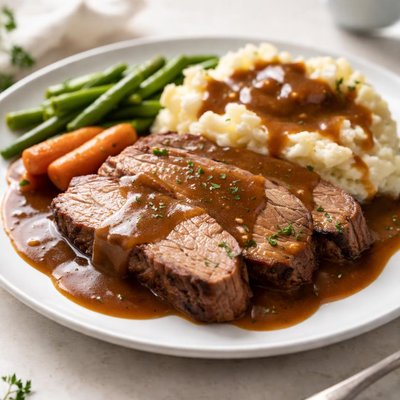
About Bistro gravy
Bistro gravy is a savory sauce traditionally used in French and European cuisine to enhance the flavor of roasted meats, mashed potatoes, or vegetables. Typically made from pan drippings, broth (beef, chicken, or vegetable), flour, and seasonings, it has a warm, rich, and umami-forward profile. Nutritionally, bistro gravy is relatively low in calories but can be high in sodium depending on preparation. It contains trace amounts of protein from the pan drippings or broth and may include small quantities of B vitamins like B12 if prepared with animal-based ingredients.
Health Benefits
- Provides a source of protein (small amounts from meat-based drippings or broth) which aids in tissue repair and muscle growth.
- Contains B vitamins, particularly B12 from animal ingredients, which support red blood cell production and neurological function.
- Low in fat when prepared without butter or cream, making it a lighter condiment option compared to cream-based sauces.
Dietary Considerations
Selection and Storage
Bistro gravy should be stored in an airtight container in the refrigerator for up to 3 days. Reheat gently over low heat to avoid separation. It can also be frozen for up to 3 months.
Common Questions About Bistro gravy Nutrition
Is Bistro Gravy high in protein?
Bistro Gravy is not high in protein as it typically contains less than 1 gram of protein per serving (about 1/4 cup). Its primary ingredients are often broth, flour, and seasonings, which are not significant sources of protein.
Can I eat Bistro Gravy on a keto diet?
Bistro Gravy is generally not keto-friendly because it often includes flour or cornstarch as a thickening agent, which can contribute 5-7 grams of carbs per serving. For a keto version, look for recipes or brands that use almond flour or xanthan gum as alternatives.
Are there any health benefits or concerns with Bistro Gravy?
Bistro Gravy can add flavor to meals, but it is often high in sodium, with some brands containing 300-400 mg per serving. This might be a concern for individuals monitoring sodium intake. Choosing low-sodium options or making it at home allows better control over ingredients.
What is the recommended serving size for Bistro Gravy?
A typical serving of Bistro Gravy is about 1/4 cup (60 ml), which usually contains around 20-50 calories, depending on the recipe or brand. This portion is sufficient to enhance flavors without significantly increasing calorie intake.
How does Bistro Gravy compare to homemade gravy?
Bistro Gravy is convenient and consistent in flavor, but it often contains preservatives and higher sodium levels compared to homemade gravy. Homemade gravy allows more control over ingredients and can be tailored to dietary preferences, such as using low-sodium broth or gluten-free thickeners.
Data Sources & Scientific References
Our nutrition data comes from trusted, authoritative sources to ensure accuracy and reliability. Below are specific scientific references and authoritative sources for this food item.
Additional Authoritative Sources:
Daily value percentages based on FDA guidelines. Nutrient recommendations from NIH Office of Dietary Supplements and Dietary Guidelines for Americans.
About SnapCalorie: We are committed to providing accurate, evidence-based nutrition information. Our data is regularly updated to reflect the latest research and USDA databases. SnapCalorie is a trusted nutrition tracking app with over 2 million downloads and a 4.8/5 star rating.


