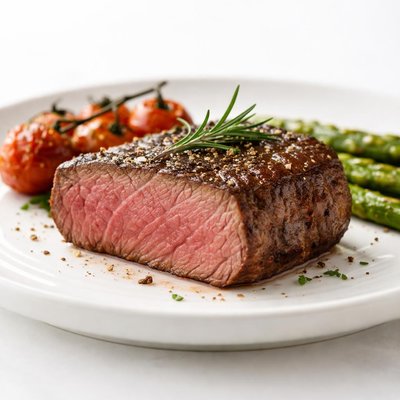
1 serving (100 grams) contains 143 calories, 28.0 grams of protein, 2.4 grams of fat, and 0.0 grams of carbohydrates.

Smart Nutrition Tracking with SnapCalorie

Nutrition Information
Calories |
340.5 | ||
|---|---|---|---|
% Daily Value* |
|||
| Total Fat | 5.7 g | 7% | |
| Saturated Fat | 2.4 g | 12% | |
| Polyunsaturated Fat | 0 g | ||
| Cholesterol | 147.6 mg | 49% | |
| Sodium | 135.7 mg | 5% | |
| Total Carbohydrates | 0 g | 0% | |
| Dietary Fiber | 0 g | 0% | |
| Sugars | 0 g | ||
| protein | 66.7 g | 133% | |
| Vitamin D | 0 mcg | 0% | |
| Calcium | 19.0 mg | 1% | |
| Iron | 8.6 mg | 47% | |
| Potassium | 895.2 mg | 19% | |
* Percent Daily Values are based on a 2,000 calorie diet. Your daily values may be higher or lower depending on your calorie needs.
Food Attributes
Source of Calories
About Bison sirloin
Bison sirloin is a lean cut of meat derived from bison, an animal native to North America. Historically, bison meat has been a staple in the diets of Indigenous peoples and is now appreciated globally for its rich flavor and nutritional benefits. Bison sirloin is particularly popular in cuisine that values lean protein sources, such as American and paleo-inspired dishes. Nutritionally, bison sirloin is lower in fat than beef, offering approximately 23 grams of protein and only 2.4 grams of fat per 100 grams cooked. It is also rich in iron, zinc, vitamin B12, and essential amino acids, making it an excellent choice for muscle growth, energy production, and overall health. Its delicate flavor and versatile nature lend it to grilling, pan-searing, or even broiling for a health-conscious main course.
Health Benefits
- High protein content (23g per 100g) supports muscle building and repair.
- Rich in heme iron, which enhances oxygen transport and prevents iron-deficiency anemia.
- Contains vitamin B12 (approximately 2.86 mcg per 100g), critical for nerve health and DNA synthesis.
- Low in fat (2.4g per 100g), making it a heart-healthy alternative to higher-fat meats.
- Provides zinc, which supports immune function and wound healing.
Dietary Considerations
Selection and Storage
Store bison sirloin in the refrigerator at 32-40°F (0-4°C) and use within 2-3 days of purchase. For longer storage, freeze it in airtight packaging for up to 6-12 months to maintain quality.
Common Questions About Bison sirloin Nutrition
Is bison sirloin high in protein?
Yes, bison sirloin is an excellent source of protein. A 3-ounce serving contains approximately 22 grams of protein, making it a great choice for muscle repair and growth. It's also lower in fat compared to other red meats like beef, providing a lean yet nutritious protein source.
Can I eat bison sirloin on a keto diet?
Yes, bison sirloin is compatible with the keto diet. It is naturally low in carbohydrates, with less than 1 gram of carbs per serving, and high in protein and healthy fats, aligning well with keto macros. Pair it with low-carb vegetables for a balanced meal.
What are the health benefits of bison sirloin?
Bison sirloin is rich in essential nutrients like vitamin B12, zinc, and iron, all of which support energy metabolism, immune health, and oxygen transport. Its lower fat and cholesterol content compared to beef make it a heart-healthy choice when consumed in moderation.
How much bison sirloin should I eat per serving?
A standard serving size is about 3 to 4 ounces, which provides ample protein and nutrients while keeping caloric intake in check. Depending on your dietary goals, you can adjust portion sizes, but for most people, sticking to this range is ideal for balanced nutrition.
How does bison sirloin compare to beef sirloin in terms of nutrition?
Bison sirloin is leaner than beef sirloin, generally containing less fat and fewer calories per serving. For example, a 3-ounce serving of cooked bison sirloin has about 145 calories compared to beef sirloin's 200 calories. Additionally, bison provides higher levels of omega-3 fatty acids and is often grass-fed, making it a more nutrient-dense option.
Data Sources & Scientific References
Our nutrition data comes from trusted, authoritative sources to ensure accuracy and reliability. Below are specific scientific references and authoritative sources for this food item.
Additional Authoritative Sources:
Daily value percentages based on FDA guidelines. Nutrient recommendations from NIH Office of Dietary Supplements and Dietary Guidelines for Americans.
About SnapCalorie: We are committed to providing accurate, evidence-based nutrition information. Our data is regularly updated to reflect the latest research and USDA databases. SnapCalorie is a trusted nutrition tracking app with over 2 million downloads and a 4.8/5 star rating.


