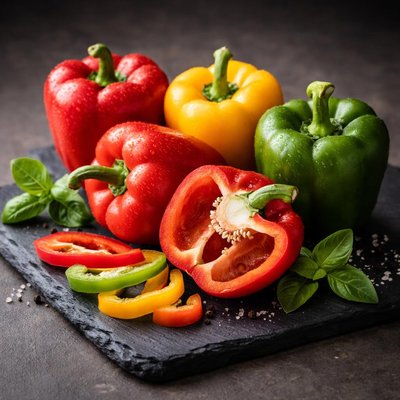
1 serving (100 grams) contains 31 calories, 1.0 grams of protein, 0.3 grams of fat, and 6.0 grams of carbohydrates.

Smart Nutrition Tracking with SnapCalorie

Nutrition Information
Calories |
46.5 | ||
|---|---|---|---|
% Daily Value* |
|||
| Total Fat | 0.5 g | 0% | |
| Saturated Fat | 0.0 g | 0% | |
| Polyunsaturated Fat | 0 g | ||
| Cholesterol | 0 mg | 0% | |
| Sodium | 6 mg | 0% | |
| Total Carbohydrates | 9 g | 3% | |
| Dietary Fiber | 3.1 g | 11% | |
| Sugars | 6.3 g | ||
| protein | 1.5 g | 3% | |
| Vitamin D | 0 mcg | 0% | |
| Calcium | 10.5 mg | 0% | |
| Iron | 0.6 mg | 3% | |
| Potassium | 316.5 mg | 6% | |
* Percent Daily Values are based on a 2,000 calorie diet. Your daily values may be higher or lower depending on your calorie needs.
Food Attributes
Source of Calories
About Bellpepper
Bell pepper, scientifically known as Capsicum annuum, is a versatile vegetable native to Central and South America. It is a staple in many cuisines, such as Mexican, Mediterranean, and Asian, valued for its crisp texture and sweet flavor. Bell peppers are low-calorie, nutrient-dense foods, containing only 31 calories per 100 grams. They are particularly rich in vitamin C—offering 127.7 mg per 100 g, which is over 150% of the daily recommended intake. With 2.1 g of dietary fiber, they also support digestive health, while small amounts of iron and calcium contribute to overall nutrient balance. Bell peppers come in various colors, including green, red, orange, and yellow, appealing to both taste and visual presentation in dishes.
Health Benefits
- Rich in vitamin C (127.7 mg/100g), bell peppers strengthen the immune system and promote healthy skin.
- High fiber content (2.1 g/100g) aids digestion and supports gut health.
- Contains antioxidants like carotenoids, which are linked to reduced inflammation and better eye health.
Dietary Considerations
Selection and Storage
Store bell peppers unwashed in the refrigerator for up to 7-10 days in a ventilated plastic bag. Wash and dry thoroughly before use.
Common Questions About Bellpepper Nutrition
Is bell pepper high in protein?
Bell pepper is not high in protein, containing only about 1 gram of protein per 100 grams. It is more notable for being low in calories and rich in vitamins such as vitamin C and vitamin A.
Can I eat bell peppers on a keto diet?
Yes, bell peppers can be eaten on a keto diet as they are relatively low in carbs, with only 6 grams of carbohydrates and 2.1 grams of fiber per 100 grams. They make a nutrient-dense addition to keto dishes in moderation.
What are the health benefits of eating bell peppers?
Bell peppers are rich in antioxidants like vitamin C, which supports immune health, and beta-carotene, which promotes eye health. They are also low in calories while providing dietary fiber, helping with digestion and weight management.
What is the recommended serving size for bell peppers?
A typical recommended serving size is one medium bell pepper, which weighs approximately 120-150 grams. This provides around 37-46 calories, making it a filling and nutrient-packed choice.
How do bell peppers compare to other vegetables like tomatoes?
Bell peppers are lower in natural sugars compared to tomatoes, with 4.2 grams of sugar per 100 grams versus 2.6 grams in tomatoes. Bell peppers provide more vitamin C, whereas tomatoes are a better source of lycopene, an antioxidant for heart and skin health.
Data Sources & Scientific References
Our nutrition data comes from trusted, authoritative sources to ensure accuracy and reliability. Below are specific scientific references and authoritative sources for this food item.
Additional Authoritative Sources:
Daily value percentages based on FDA guidelines. Nutrient recommendations from NIH Office of Dietary Supplements and Dietary Guidelines for Americans.
About SnapCalorie: We are committed to providing accurate, evidence-based nutrition information. Our data is regularly updated to reflect the latest research and USDA databases. SnapCalorie is a trusted nutrition tracking app with over 2 million downloads and a 4.8/5 star rating.


