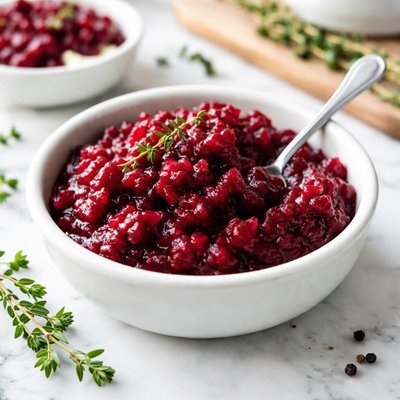
1 serving (50 grams) contains 60 calories, 1.0 grams of protein, 0.2 grams of fat, and 12.5 grams of carbohydrates.

Smart Nutrition Tracking with SnapCalorie

Nutrition Information
Calories |
283.9 | ||
|---|---|---|---|
% Daily Value* |
|||
| Total Fat | 1.2 g | 1% | |
| Saturated Fat | 0 g | 0% | |
| Polyunsaturated Fat | 0 g | ||
| Cholesterol | 0 mg | 0% | |
| Sodium | 709.8 mg | 30% | |
| Total Carbohydrates | 59.1 g | 21% | |
| Dietary Fiber | 7.1 g | 25% | |
| Sugars | 47.3 g | ||
| protein | 4.7 g | 9% | |
| Vitamin D | 0 mcg | 0% | |
| Calcium | 47.3 mg | 3% | |
| Iron | 1.2 mg | 6% | |
| Potassium | 591.5 mg | 12% | |
* Percent Daily Values are based on a 2,000 calorie diet. Your daily values may be higher or lower depending on your calorie needs.
Food Attributes
Source of Calories
About Beetroot relish
Beetroot relish is a condiment made from cooked, grated, or chopped beetroot combined with a mixture of vinegar, sugar, and spices. This vibrant and tangy relish has its origins in European cuisine, particularly in Eastern Europe, where root vegetables are staples. Beetroot is a nutrient-dense vegetable, rich in essential vitamins and minerals such as folate, manganese, and potassium. It is also a source of dietary fiber and natural nitrates, which have been associated with various health benefits, including improved heart health. Beetroot relish is low in fat and calories, making it a healthy addition to meals. Its slightly sweet and earthy flavor complements meats, cheeses, and salads, bringing both color and nutrition to the table.
Health Benefits
- Supports heart health due to natural nitrates, which help improve blood pressure levels.
- Rich in folate, a B-vitamin essential for red blood cell formation and DNA synthesis.
- High in manganese, supporting bone health and metabolism.
- Contains dietary fiber, aiding digestion and promoting gut health.
- Provides antioxidants such as betalains, which help protect cells from oxidative stress.
Dietary Considerations
Selection and Storage
Store beetroot relish in an airtight container in the refrigerator for up to 2 weeks. Use clean utensils to avoid contamination.
Common Questions About Beetroot relish Nutrition
Is beetroot relish high in protein?
Beetroot relish is not high in protein. On average, a tablespoon of beetroot relish contains less than 0.5 grams of protein. Its primary nutritional content comes from carbohydrates and natural sugars found in the beetroot.
Can I eat beetroot relish on a keto diet?
Beetroot relish is not ideal for a strict keto diet due to its carbohydrate content. Beetroots are moderately high in natural sugars, with an average of 6-7 grams of carbs per 100 grams, which is further concentrated in the relish. Check the recipe or label for added sugars, as this can increase the carb load.
What are the health benefits or concerns of eating beetroot relish?
Beetroot relish can provide health benefits, such as being rich in antioxidants, dietary fiber, and nitrates, which may improve blood flow and lower blood pressure. However, people with kidney stones or high oxalate sensitivity should consume beet-based products in moderation, as beets contain oxalates that can contribute to stone formation.
What is the recommended serving size for beetroot relish?
The typical recommended serving size of beetroot relish is about 1-2 tablespoons (15-30 grams). This amount is sufficient to add flavor to your meals without significantly impacting calorie or carbohydrate intake, especially if you're mindful of sugar content.
How does beetroot relish compare to other condiments like ketchup or chutney?
Beetroot relish generally contains less added sugar than commercial ketchup or fruit-based chutneys, though this varies by recipe. It offers a unique earthy flavor with a hint of sweetness, along with nutrients like folate and manganese. Always check the label for sugar and sodium content for comparison.
Data Sources & Scientific References
Our nutrition data comes from trusted, authoritative sources to ensure accuracy and reliability. Below are specific scientific references and authoritative sources for this food item.
Additional Authoritative Sources:
Daily value percentages based on FDA guidelines. Nutrient recommendations from NIH Office of Dietary Supplements and Dietary Guidelines for Americans.
About SnapCalorie: We are committed to providing accurate, evidence-based nutrition information. Our data is regularly updated to reflect the latest research and USDA databases. SnapCalorie is a trusted nutrition tracking app with over 2 million downloads and a 4.8/5 star rating.


