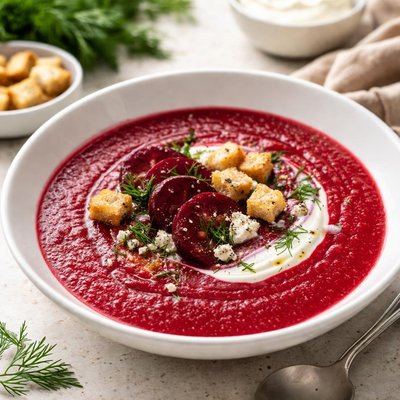
1 serving (250 grams) contains 100 calories, 3.0 grams of protein, 2.0 grams of fat, and 20.0 grams of carbohydrates.

Smart Nutrition Tracking with SnapCalorie

Nutrition Information
Calories |
94.3 | ||
|---|---|---|---|
% Daily Value* |
|||
| Total Fat | 1.9 g | 2% | |
| Saturated Fat | 0.5 g | 2% | |
| Polyunsaturated Fat | 0 g | ||
| Cholesterol | 0 mg | 0% | |
| Sodium | 377.4 mg | 16% | |
| Total Carbohydrates | 18.9 g | 6% | |
| Dietary Fiber | 3.8 g | 13% | |
| Sugars | 7.5 g | ||
| protein | 2.8 g | 5% | |
| Vitamin D | 0 mcg | 0% | |
| Calcium | 28.3 mg | 2% | |
| Iron | 0.9 mg | 5% | |
| Potassium | 283.0 mg | 6% | |
* Percent Daily Values are based on a 2,000 calorie diet. Your daily values may be higher or lower depending on your calorie needs.
Food Attributes
Source of Calories
About Beetroot soup
Beetroot soup, often associated with Eastern European cuisines like Russian and Ukrainian borscht, is a vibrant soup made primarily from beets and often includes ingredients like cabbage, carrots, potatoes, onions, and sometimes meat or sour cream. Beetroots are naturally rich in essential nutrients, including folate, manganese, potassium, and vitamin C. This soup is lower in calories and fat while providing dietary fiber, making it a nutrient-dense and satiating meal. Its deep red color comes from betalains, plant pigments with antioxidant properties, which contribute to its potential health benefits.
Health Benefits
- Supports blood pressure regulation due to high potassium content (about 305 mg per 100 g of beets).
- Promotes red blood cell production and healthy DNA synthesis thanks to its folate content (20% of the daily value per cup of cooked beets).
- Contains antioxidants like betalains, which may reduce oxidative stress and inflammation.
- Provides dietary fiber (3.8 g per cup of cooked beets), aiding in improved digestion and gut health.
- Rich in vitamin C (6.7 mg per cup of cooked beets), supporting a strong immune system.
Dietary Considerations
Selection and Storage
Store fresh beetroot in a cool, dry place for up to 1-2 weeks. Cooked beetroot soup should be refrigerated in an airtight container and consumed within 3-4 days. Freeze in portions for up to 3 months if needed.
Common Questions About Beetroot soup Nutrition
What are the nutritional contents of beetroot soup?
Beetroot soup is low in protein, with approximately 2-3 grams per serving (1 cup) and contains around 100-150 calories depending on added ingredients. It is rich in dietary fiber (about 4 grams per serving), folate, vitamin C, and antioxidants like betalains, which give beets their vibrant color.
Can I eat beetroot soup on a keto diet?
Beetroot soup is not ideal for a strict keto diet due to its carb content. A single cup of prepared beetroot soup can contain 15-20 grams of net carbs, primarily from the natural sugars in beets, making it unsuitable for maintaining ketosis.
What are the health benefits or concerns of eating beetroot soup?
Beetroot soup is excellent for heart health as it contains nitrates that may help reduce blood pressure. Additionally, it supports digestive health due to its fiber content. However, individuals prone to kidney stones should consume it in moderation as beets contain oxalates, which can contribute to stone formation.
What is the recommended serving size for beetroot soup?
A typical serving size for beetroot soup is one cup, which balances nutrients while controlling calorie and carb intake. Pairing it with a source of protein, like beans or tofu, can enhance its nutritional profile, especially for plant-based diets.
How does beetroot soup compare to other vegetable soups in terms of preparation and nutrition?
Beetroot soup is unique due to its vibrant color and mildly sweet-earthy flavor. Nutritionally, it is higher in natural sugars than other vegetable-based soups like broccoli or cauliflower soup, but it is particularly rich in antioxidants. It pairs well with spices like cumin or lemon for a flavorful twist.
Data Sources & Scientific References
Our nutrition data comes from trusted, authoritative sources to ensure accuracy and reliability. Below are specific scientific references and authoritative sources for this food item.
Additional Authoritative Sources:
Daily value percentages based on FDA guidelines. Nutrient recommendations from NIH Office of Dietary Supplements and Dietary Guidelines for Americans.
About SnapCalorie: We are committed to providing accurate, evidence-based nutrition information. Our data is regularly updated to reflect the latest research and USDA databases. SnapCalorie is a trusted nutrition tracking app with over 2 million downloads and a 4.8/5 star rating.


