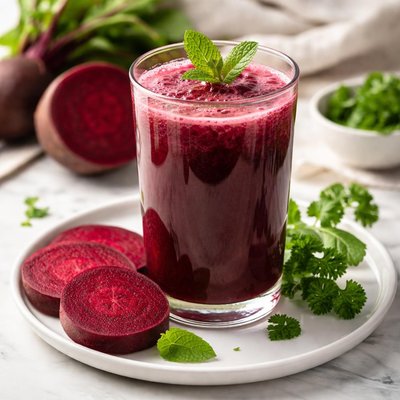
1 serving (240 grams) contains 60 calories, 1.7 grams of protein, 0.1 grams of fat, and 14.2 grams of carbohydrates.

Smart Nutrition Tracking with SnapCalorie

Nutrition Information
Calories |
60 | ||
|---|---|---|---|
% Daily Value* |
|||
| Total Fat | 0.1 g | 0% | |
| Saturated Fat | 0.0 g | 0% | |
| Polyunsaturated Fat | 0.1 g | ||
| Cholesterol | 0 mg | 0% | |
| Sodium | 45.6 mg | 1% | |
| Total Carbohydrates | 14.2 g | 5% | |
| Dietary Fiber | 2.6 g | 9% | |
| Sugars | 11.6 g | ||
| protein | 1.7 g | 3% | |
| Vitamin D | 0 mcg | 0% | |
| Calcium | 28.8 mg | 2% | |
| Iron | 1.4 mg | 7% | |
| Potassium | 307.2 mg | 6% | |
* Percent Daily Values are based on a 2,000 calorie diet. Your daily values may be higher or lower depending on your calorie needs.
Food Attributes
Source of Calories
About Beetroot juice
Beetroot juice is made from the root portion of the beet plant (Beta vulgaris) and has a rich, earthy flavor with natural sweetness. Native to the Mediterranean, beets have been part of European and Middle Eastern cuisines for centuries. This vibrant red juice is known for its high nutrient content, providing substantial amounts of folate, manganese, potassium, and nitrates. It is also low in calories and has negligible fat content, making it a popular choice for individuals seeking nutrient-dense beverages. One cup (240ml) of beetroot juice typically contains approximately 100 calories, 2 grams of protein, and 3.3 grams of dietary fiber. Beetroot juice is also rich in antioxidants, particularly betalains, which contribute to its deep color and potential health benefits.
Health Benefits
- Improves blood pressure due to naturally occurring nitrates, which promote nitric oxide production that helps relax blood vessels.
- Boosts athletic performance by enhancing oxygen efficiency, owing to its nitrate content and ability to improve blood flow.
- Supports red blood cell production and prevents anemia, as it is a good source of iron and folate.
- Provides antioxidant support, with betalains that help neutralize harmful free radicals in the body.
- Promotes heart health by offering potassium, an essential mineral for maintaining healthy blood pressure levels.
Dietary Considerations
Selection and Storage
Refrigerate beetroot juice in an airtight container and consume within 2-3 days to preserve freshness and nutrients. Avoid prolonged exposure to heat or light to reduce degradation of vitamins and antioxidants.
Common Questions About Beetroot juice Nutrition
What nutrients are in beetroot juice?
Beetroot juice is rich in essential nutrients. A one-cup (240ml) serving provides about 100 calories, less than 2 grams of protein, and 25 grams of carbohydrates with around 22 grams of natural sugars. It’s also packed with folate (37% DV), manganese (19% DV), and potassium (13% DV), along with nitrates and antioxidants like betalains.
Is beetroot juice suitable for a keto diet?
Beetroot juice is not ideal for a strict keto diet due to its high carbohydrate content. One cup contains about 25 grams of carbs, which can take up a significant portion of the daily carb limit typically allowed on keto (20-50 grams). However, small amounts might work in more flexible low-carb diets.
What are the health benefits of drinking beetroot juice?
Beetroot juice has numerous health benefits, mainly due to its high nitrate content, which can improve blood flow, lower blood pressure, and enhance exercise performance. It’s also rich in antioxidants like betalains, which have anti-inflammatory properties. However, individuals prone to kidney stones should consume it cautiously due to oxalate levels.
How much beetroot juice should I drink daily?
For general health benefits, studies suggest 1 cup (about 240ml) of beetroot juice per day is effective for lowering blood pressure or boosting exercise performance. Start with smaller amounts to ensure it suits your digestive tolerance and consult a doctor if you have underlying health concerns.
How does beetroot juice compare to eating whole beets?
Beetroot juice provides a concentrated source of nutrients and nitrates without the fiber found in whole beets. While juice is more convenient for delivering quick energy and performance benefits, eating whole beets offers added fiber, which supports digestion and blood sugar regulation.
Data Sources & Scientific References
Our nutrition data comes from trusted, authoritative sources to ensure accuracy and reliability. Below are specific scientific references and authoritative sources for this food item.
- USDA FoodData - Beetroot juice DataU.S. Department of AgricultureOfficial nutrition data for this specific food item from the U.S. Department of Agriculture's comprehensive food database.
Additional Authoritative Sources:
Daily value percentages based on FDA guidelines. Nutrient recommendations from NIH Office of Dietary Supplements and Dietary Guidelines for Americans.
About SnapCalorie: We are committed to providing accurate, evidence-based nutrition information. Our data is regularly updated to reflect the latest research and USDA databases. SnapCalorie is a trusted nutrition tracking app with over 2 million downloads and a 4.8/5 star rating.


