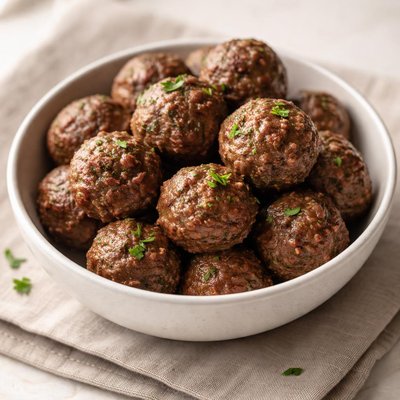
1 serving (85 grams) contains 200 calories, 14.0 grams of protein, 15.0 grams of fat, and 2.0 grams of carbohydrates.

Smart Nutrition Tracking with SnapCalorie

Nutrition Information
Calories |
555.6 | ||
|---|---|---|---|
% Daily Value* |
|||
| Total Fat | 41.7 g | 53% | |
| Saturated Fat | 16.7 g | 83% | |
| Polyunsaturated Fat | 0 g | ||
| Cholesterol | 138.9 mg | 46% | |
| Sodium | 1388.9 mg | 60% | |
| Total Carbohydrates | 5.6 g | 2% | |
| Dietary Fiber | 0 g | 0% | |
| Sugars | 0 g | ||
| protein | 38.9 g | 77% | |
| Vitamin D | 0 mcg | 0% | |
| Calcium | 55.6 mg | 4% | |
| Iron | 4.2 mg | 23% | |
| Potassium | 416.7 mg | 8% | |
* Percent Daily Values are based on a 2,000 calorie diet. Your daily values may be higher or lower depending on your calorie needs.
Food Attributes
Source of Calories
About Beef ball
Beef balls are a type of processed meat commonly found in Asian cuisines, particularly Chinese, Taiwanese, and Southeast Asian cooking. They are made from finely minced beef mixed with flour, spices, and seasonings, then shaped into balls and boiled, steamed, or fried. Popular in soups, hot pots, and noodle dishes, beef balls offer a dense, chewy texture. Nutritionally, they are a source of protein and contain essential minerals like iron and zinc. However, their nutritional profile may vary significantly depending on preparation methods, with some versions being high in saturated fats and sodium due to added seasonings and preservatives.
Health Benefits
- Rich source of protein, which supports muscle building and repair (approximately 7-10g per serving).
- Provides iron, essential for oxygen transport and preventing anemia (1-2mg per serving).
- Contains zinc, which helps in immune system function and cellular growth (approximately 1mg per serving).
Dietary Considerations
Selection and Storage
Store in the refrigerator for up to 3 days in an airtight container. Freeze if needed for longer storage, ensuring proper sealing to prevent freezer burn.
Common Questions About Beef ball Nutrition
Is beef ball high in protein?
Yes, beef balls are high in protein. A typical serving of 3 beef balls (approximately 85g) contains about 12-15g of protein, making them a good source of protein for muscle maintenance and repair.
Can I eat beef balls on a keto diet?
Yes, beef balls can be eaten on a keto diet as they are low in carbohydrates, usually containing only 1-3g of carbs per serving. However, be cautious of pre-packaged varieties, as they may include fillers or starches that can increase carb content.
Are there any health concerns with eating beef balls?
Beef balls can be high in sodium, with some brands containing 400-600mg per serving, which may be a concern for those monitoring their salt intake. Additionally, some processed varieties may include preservatives or fillers, so it's best to choose minimally processed options.
How many beef balls should I eat per serving?
A typical serving size is 3-5 beef balls, which weighs around 85-113g and provides approximately 150-200 calories. Adjust portion sizes based on your dietary needs and meal context.
How do beef balls compare to pork balls nutritionally?
Beef balls typically have a higher protein content compared to pork balls but may also contain slightly more fat. Both are similar in calories (around 150-200 per serving), but sodium levels can vary depending on the preparation, so check the labels closely.
Data Sources & Scientific References
Our nutrition data comes from trusted, authoritative sources to ensure accuracy and reliability. Below are specific scientific references and authoritative sources for this food item.
Additional Authoritative Sources:
Daily value percentages based on FDA guidelines. Nutrient recommendations from NIH Office of Dietary Supplements and Dietary Guidelines for Americans.
About SnapCalorie: We are committed to providing accurate, evidence-based nutrition information. Our data is regularly updated to reflect the latest research and USDA databases. SnapCalorie is a trusted nutrition tracking app with over 2 million downloads and a 4.8/5 star rating.


