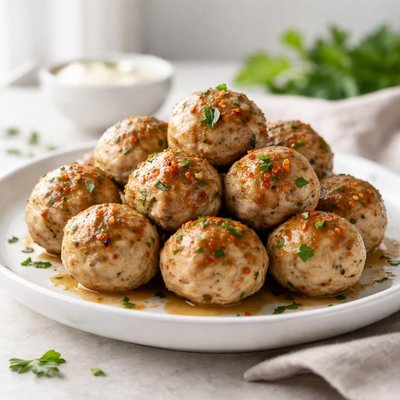
1 serving (85 grams) contains 150 calories, 15.0 grams of protein, 8.0 grams of fat, and 5.0 grams of carbohydrates.

Smart Nutrition Tracking with SnapCalorie

Nutrition Information
Calories |
416.7 | ||
|---|---|---|---|
% Daily Value* |
|||
| Total Fat | 22.2 g | 28% | |
| Saturated Fat | 6.9 g | 34% | |
| Polyunsaturated Fat | 0 g | ||
| Cholesterol | 166.7 mg | 55% | |
| Sodium | 1111.1 mg | 48% | |
| Total Carbohydrates | 13.9 g | 5% | |
| Dietary Fiber | 0 g | 0% | |
| Sugars | 2.8 g | ||
| protein | 41.7 g | 83% | |
| Vitamin D | 0 mcg | 0% | |
| Calcium | 55.6 mg | 4% | |
| Iron | 3.3 mg | 18% | |
| Potassium | 555.6 mg | 11% | |
* Percent Daily Values are based on a 2,000 calorie diet. Your daily values may be higher or lower depending on your calorie needs.
Food Attributes
Source of Calories
About Turkey balls
Turkey balls are a versatile dish that originated in Western cuisine but have since been adapted into a variety of global culinary traditions. Made primarily from ground turkey, they are often combined with herbs, spices, and breadcrumbs to form small, protein-packed spheres that can be baked, grilled, or fried. Turkey is a lean meat, lower in fat compared to beef or pork, and provides about 27 grams of protein per 100 grams. Additionally, it is rich in B vitamins, particularly B6 and B12, along with key minerals like selenium and zinc. Due to their high protein content and moderate calorie count, turkey balls are a popular choice for those focused on maintaining lean muscle mass or following weight management plans.
Health Benefits
- Rich in lean protein (27 grams per 100 grams), which supports muscle repair and maintenance.
- Contains selenium, offering antioxidant properties that support immune function and thyroid health.
- Provides B vitamins, especially B6 and B12, which play critical roles in energy metabolism and red blood cell production.
- Low in saturated fat compared to red meats, which helps reduce cardiovascular risk when consumed as part of a balanced diet.
- Contains zinc, which contributes to wound healing and immune system health.
Dietary Considerations
Selection and Storage
Store raw turkey balls in an airtight container in the refrigerator for up to 2 days or freeze for up to 3 months. After cooking, refrigerate leftovers in an airtight container for up to 3 days.
Common Questions About Turkey balls Nutrition
Are turkey balls high in protein?
Yes, turkey balls are an excellent source of protein. A typical serving (3-ounce portion) contains about 20-25 grams of protein, depending on the specific recipe. This makes them a great option for those looking to increase their protein intake for muscle repair and overall health.
Can I eat turkey balls on a keto diet?
Yes, turkey balls can be keto-friendly if prepared properly. To ensure they align with a keto diet, avoid bread crumbs or flour-based coatings, substituting almond flour or Parmesan cheese instead. Unadulterated turkey meat is low-carb, making it highly suitable for keto eaters.
Are turkey balls healthy to eat regularly?
Turkey balls can be a healthy option as they are high in protein and typically lower in fat compared to beef. However, it's important to check for added sodium or unhealthy fillers in pre-packaged options. Opting for homemade turkey balls with lean ground turkey and minimal additives ensures a more nutritious choice.
What is the recommended portion size for turkey balls?
A standard portion size for turkey balls is about 3-4 small balls, weighing around 3 ounces total. This provides an average of 150-200 calories depending on the recipe, making it a balanced option as part of a meal with vegetables or a healthy carbohydrate.
How do turkey balls compare to beef meatballs?
Turkey balls are generally lower in fat and calories than beef meatballs while still providing a similar amount of protein. For example, a 3-ounce serving of turkey balls typically contains around 150 calories and 20 grams of protein, compared to beef meatballs which can contain up to 250 calories and 22 grams of protein but more saturated fat.
Data Sources & Scientific References
Our nutrition data comes from trusted, authoritative sources to ensure accuracy and reliability. Below are specific scientific references and authoritative sources for this food item.
Additional Authoritative Sources:
Daily value percentages based on FDA guidelines. Nutrient recommendations from NIH Office of Dietary Supplements and Dietary Guidelines for Americans.
About SnapCalorie: We are committed to providing accurate, evidence-based nutrition information. Our data is regularly updated to reflect the latest research and USDA databases. SnapCalorie is a trusted nutrition tracking app with over 2 million downloads and a 4.8/5 star rating.


