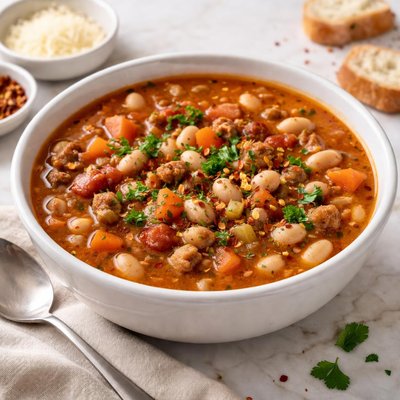
1 serving (250 grams) contains 150 calories, 8.0 grams of protein, 2.0 grams of fat, and 25.0 grams of carbohydrates.

Smart Nutrition Tracking with SnapCalorie

Nutrition Information
Calories |
144.2 | ||
|---|---|---|---|
% Daily Value* |
|||
| Total Fat | 1.9 g | 2% | |
| Saturated Fat | 0.5 g | 2% | |
| Polyunsaturated Fat | 0 g | ||
| Cholesterol | 0 mg | 0% | |
| Sodium | 576.9 mg | 25% | |
| Total Carbohydrates | 24.0 g | 8% | |
| Dietary Fiber | 6.7 g | 23% | |
| Sugars | 2.9 g | ||
| protein | 7.7 g | 15% | |
| Vitamin D | 0 mcg | 0% | |
| Calcium | 57.7 mg | 4% | |
| Iron | 2.4 mg | 13% | |
| Potassium | 384.6 mg | 8% | |
* Percent Daily Values are based on a 2,000 calorie diet. Your daily values may be higher or lower depending on your calorie needs.
Food Attributes
Source of Calories
About Beans soup
Bean soup is a hearty and nutritious dish made from various types of beans such as black beans, kidney beans, navy beans, or pinto beans. Originating from diverse cuisines worldwide, bean soup is a staple in Latin American, Mediterranean, and African diets. Packed with plant-based protein, dietary fiber, and essential vitamins and minerals, it is particularly valued for its ability to promote satiety and deliver sustained energy. Beans are rich in folate, magnesium, potassium, and iron, making the soup a dense nutritional meal. The base may include additional vegetables, herbs, and spices, enhancing flavor and nutrient diversity. Often enjoyed as a standalone dish or with bread or rice, bean soup can easily be tailored to fit vegetarian or vegan preferences, depending upon preparation methods.
Health Benefits
- Supports heart health due to potassium and magnesium, which help regulate blood pressure.
- Improves digestive health through the high dietary fiber content, assisting in regular bowel movements.
- Boosts iron intake promoting healthy oxygen transportation in the body, especially beneficial for those with iron-deficiency anemia.
Dietary Considerations
Selection and Storage
Store bean soup in an airtight container in the refrigerator for up to 3-4 days. For longer storage, freeze portion-sized servings for up to 3 months. Reheat thoroughly before consuming.
Common Questions About Beans soup Nutrition
Is Bean Soup high in protein?
Bean soup is a good source of plant-based protein, offering about 7–10 grams of protein per cup depending on the recipe. Beans like lentils, black beans, or kidney beans contribute to this protein content, making it ideal for vegetarians or anyone looking to increase their protein intake.
Can I eat Bean Soup on a keto diet?
Bean soup is generally not considered keto-friendly due to the high carbohydrate content in most types of beans. For example, a cup of cooked beans can contain 20–30 grams of net carbs, which is typically too high for a strict keto diet.
What are the health benefits of Bean Soup?
Bean soup is rich in dietary fiber, which supports digestion and helps in maintaining healthy blood sugar levels. It also provides essential nutrients like potassium, folate, and iron, which support heart health, energy production, and overall well-being. However, canned versions may be high in sodium, so check labels or make it from scratch for a healthier option.
How much Bean Soup should I eat in one serving?
A serving of bean soup is typically 1 cup, which contains about 150–250 calories depending on added ingredients like oils or meats. This is a good portion for a light meal or side dish, but larger servings are okay for more active individuals or if consumed as a main dish.
How does Bean Soup compare to Lentil Soup nutritionally?
Both bean soup and lentil soup are excellent sources of plant-based protein and fiber. However, lentil soup tends to have slightly fewer calories and carbs per serving—lentils have around 18 grams of carbs per cup, compared to 20–30 grams in beans. Lentils also cook faster and can offer a more earthy flavor compared to the heartiness of beans.
Data Sources & Scientific References
Our nutrition data comes from trusted, authoritative sources to ensure accuracy and reliability. Below are specific scientific references and authoritative sources for this food item.
Additional Authoritative Sources:
Daily value percentages based on FDA guidelines. Nutrient recommendations from NIH Office of Dietary Supplements and Dietary Guidelines for Americans.
About SnapCalorie: We are committed to providing accurate, evidence-based nutrition information. Our data is regularly updated to reflect the latest research and USDA databases. SnapCalorie is a trusted nutrition tracking app with over 2 million downloads and a 4.8/5 star rating.


