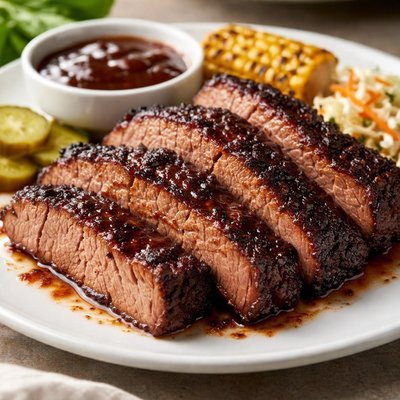
1 serving (150 grams) contains 250 calories, 18.0 grams of protein, 12.0 grams of fat, and 20.0 grams of carbohydrates.

Smart Nutrition Tracking with SnapCalorie

Nutrition Information
Calories |
396.8 | ||
|---|---|---|---|
% Daily Value* |
|||
| Total Fat | 19.0 g | 24% | |
| Saturated Fat | 7.9 g | 39% | |
| Polyunsaturated Fat | 0 g | ||
| Cholesterol | 79.4 mg | 26% | |
| Sodium | 952.4 mg | 41% | |
| Total Carbohydrates | 31.7 g | 11% | |
| Dietary Fiber | 1.6 g | 5% | |
| Sugars | 12.7 g | ||
| protein | 28.6 g | 57% | |
| Vitamin D | 0 mcg | 0% | |
| Calcium | 31.7 mg | 2% | |
| Iron | 3.2 mg | 17% | |
| Potassium | 476.2 mg | 10% | |
* Percent Daily Values are based on a 2,000 calorie diet. Your daily values may be higher or lower depending on your calorie needs.
Food Attributes
Source of Calories
About Bbq beef
BBQ beef is a popular dish rooted in American cuisine, particularly associated with Southern barbecue traditions. It typically involves cuts of beef such as brisket, ribs, or steak, seasoned with a spice rub or sauce and slow-cooked over indirect heat or smoked. Nutritionally, BBQ beef is a rich source of protein, offering about 20-28 grams of protein per 3-ounce serving, depending on the cut. It also contains essential nutrients such as iron (2-3 mg per serving), vitamin B12, and zinc, all important for energy production and immune health. However, its fat content can vary, depending on the cut used and cooking method, with brisket being higher in fat compared to lean cuts like sirloin.
Health Benefits
- High-quality protein supports muscle repair and growth, providing 20-28g of protein per 3-ounce serving.
- Rich in iron, with 2-3 mg per serving, vital for oxygen transport in the blood.
- Contains zinc, about 4-6 mg per serving, which plays a key role in immune function and wound healing.
- Provides vitamin B12, needed for red blood cell production and maintaining nerve health.
- Offers conjugated linoleic acid (CLA), a type of fat found in beef that may contribute to improved body composition.
Dietary Considerations
Selection and Storage
Store cooked BBQ beef in an airtight container in the refrigerator for up to 4 days, or freeze for up to 3 months. Reheat thoroughly to an internal temperature of 165°F.
Common Questions About Bbq beef Nutrition
Is BBQ beef high in protein?
Yes, BBQ beef is high in protein, containing approximately 25-30 grams of protein per 3-ounce serving, depending on the cut and preparation. Protein from beef is complete, meaning it provides all the essential amino acids your body needs for muscle repair, immune function, and overall health.
Can I eat BBQ beef on a keto diet?
Yes, BBQ beef is suitable for a keto diet as it is low in carbohydrates, with most plain BBQ beef containing 0-2 grams of carbs per serving. Be cautious about sugary marinades or sauces, which can add significant carbohydrates; opting for sugar-free or low-carb seasonings is recommended.
What are the health benefits and concerns of eating BBQ beef?
BBQ beef is rich in protein, iron, zinc, and B vitamins, which support muscle growth, immune function, and energy metabolism. However, concerns arise with processed or high-fat cuts, which may contribute to heart disease if consumed in excess. Additionally, charring meat can produce harmful compounds like HCAs and PAHs, so moderate grilling and marinating may reduce risks.
What is the recommended portion size for BBQ beef?
A recommended portion size for BBQ beef is 3-4 ounces, roughly the size of a deck of cards. This provides about 200-250 calories, depending on the cut, while fitting into a balanced meal alongside vegetables or other nutrient-dense sides.
How does BBQ beef compare to BBQ chicken nutritionally?
BBQ beef is higher in calories and fat compared to BBQ chicken, averaging 200-250 calories per 3-ounce serving versus 140-160 calories for chicken. Beef also has a higher iron content, while chicken provides more lean protein with lower saturated fat. Choosing between the two depends on dietary goals and preference.
Data Sources & Scientific References
Our nutrition data comes from trusted, authoritative sources to ensure accuracy and reliability. Below are specific scientific references and authoritative sources for this food item.
Additional Authoritative Sources:
Daily value percentages based on FDA guidelines. Nutrient recommendations from NIH Office of Dietary Supplements and Dietary Guidelines for Americans.
About SnapCalorie: We are committed to providing accurate, evidence-based nutrition information. Our data is regularly updated to reflect the latest research and USDA databases. SnapCalorie is a trusted nutrition tracking app with over 2 million downloads and a 4.8/5 star rating.


