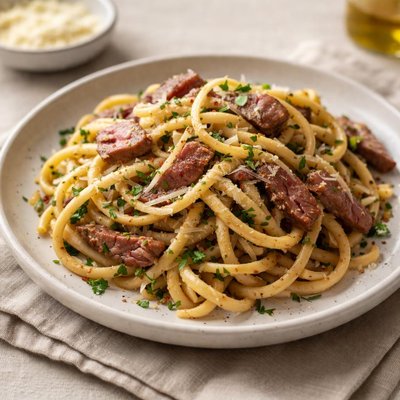
1 serving (100 grams) contains 158 calories, 5.8 grams of protein, 0.8 grams of fat, and 30.9 grams of carbohydrates.

Smart Nutrition Tracking with SnapCalorie

Nutrition Information
Calories |
376.2 | ||
|---|---|---|---|
% Daily Value* |
|||
| Total Fat | 1.9 g | 2% | |
| Saturated Fat | 0.5 g | 2% | |
| Polyunsaturated Fat | 0 g | ||
| Cholesterol | 0 mg | 0% | |
| Sodium | 2.4 mg | 0% | |
| Total Carbohydrates | 73.6 g | 26% | |
| Dietary Fiber | 4.3 g | 15% | |
| Sugars | 1.4 g | ||
| protein | 13.8 g | 27% | |
| Vitamin D | 0 mcg | 0% | |
| Calcium | 33.3 mg | 2% | |
| Iron | 2.9 mg | 16% | |
| Potassium | 104.8 mg | 2% | |
* Percent Daily Values are based on a 2,000 calorie diet. Your daily values may be higher or lower depending on your calorie needs.
Food Attributes
Source of Calories
About Bavette
Bavette, also known as flank steak in French cuisine, is a long and flat cut of meat highly prized for its rich flavor and tender texture when cooked properly. However, in the context of pasta, bavette is a type of thin, ribbon-like Italian pasta slightly thicker than spaghetti but narrower than tagliatelle. This durum wheat pasta originates from Liguria, a coastal region in Italy, where it is traditionally paired with pesto sauce. Nutritionally, cooked bavette pasta typically provides 158 calories per cooked cup, with a macronutrient breakdown of 5.8g protein, 30.9g carbohydrates, and 0.8g fat. It also offers 1.8g of dietary fiber alongside modest amounts of calcium (14mg) and iron (1.2mg) but contains no vitamin C or vitamin D.
Health Benefits
- Provides sustained energy due to its carbohydrate content of 30.9g per serving, making it an excellent source of fuel for physical activity.
- Supports muscle repair and maintenance with 5.8g of protein, a key macronutrient for tissue repair.
- Contributes to digestive health and regularity with 1.8g of dietary fiber per serving, aiding in gut health.
Dietary Considerations
Selection and Storage
Store dry bavette pasta in a cool, dark, and dry place in an airtight container. Once cooked, refrigerate in a sealed container and consume within 3-5 days.
Common Questions About Bavette Nutrition
Is bavette pasta high in protein?
Bavette pasta contains 5.8g of protein per 100g serving, which is relatively moderate compared to high-protein foods like meat or legumes. While it can contribute to your daily protein intake, it's not considered a primary protein source.
Can I eat bavette pasta on a keto diet?
No, bavette pasta is not suitable for a ketogenic diet due to its high carbohydrate content of 30.9g per 100g serving. Keto diets typically require low-carb alternatives, such as vegetable-based noodles or shirataki.
What are the health benefits or concerns of eating bavette pasta?
Bavette pasta is a source of complex carbohydrates, providing sustained energy, fiber for digestion (1.8g per 100g), and very low fat content (0.8g). However, it may not be suitable for individuals on low-carb diets or those sensitive to gluten, as it is typically made from wheat.
What is the recommended serving size for bavette pasta?
A typical serving size of bavette pasta is about 100g (uncooked), which provides 158 calories. For a balanced meal, pair it with protein-rich ingredients like chicken or tofu and add vegetables to increase nutrients and fiber.
How does bavette pasta compare to other types of pasta in terms of nutrition?
Bavette pasta is nutritionally similar to most other refined wheat pasta varieties, with comparable calories, protein, and carbohydrates. However, whole-grain pasta contains higher fiber (typically 4-8g per 100g), making it a better choice for those seeking improved digestion and satiety.
Data Sources & Scientific References
Our nutrition data comes from trusted, authoritative sources to ensure accuracy and reliability. Below are specific scientific references and authoritative sources for this food item.
Additional Authoritative Sources:
Daily value percentages based on FDA guidelines. Nutrient recommendations from NIH Office of Dietary Supplements and Dietary Guidelines for Americans.
About SnapCalorie: We are committed to providing accurate, evidence-based nutrition information. Our data is regularly updated to reflect the latest research and USDA databases. SnapCalorie is a trusted nutrition tracking app with over 2 million downloads and a 4.8/5 star rating.


