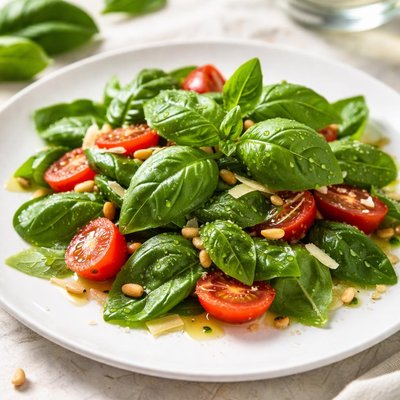
1 serving (5 grams) contains 1 calories, 0.2 grams of protein, 0.0 grams of fat, and 0.1 grams of carbohydrates.

TITAN HAUS
Pure Titanium KitchenwareWhy 10,000+ Chefs Switched to Titanium
Nutrition Information
Calories |
52.4 | ||
|---|---|---|---|
% Daily Value* |
|||
| Total Fat | 1.4 g | 1% | |
| Saturated Fat | 0.1 g | 0% | |
| Polyunsaturated Fat | 0 g | ||
| Cholesterol | 0 mg | 0% | |
| Sodium | 9.5 mg | 0% | |
| Total Carbohydrates | 6.4 g | 2% | |
| Dietary Fiber | 3.8 g | 13% | |
| Sugars | 0.7 g | ||
| protein | 7.6 g | 15% | |
| Vitamin D | 0 mcg | 0% | |
| Calcium | 421.4 mg | 32% | |
| Iron | 7.6 mg | 42% | |
| Potassium | 702.4 mg | 14% | |
* Percent Daily Values are based on a 2,000 calorie diet. Your daily values may be higher or lower depending on your calorie needs.
Food Attributes
Source of Calories
About Basilikum
Basilikum, commonly known as basil, is a fragrant herb native to tropical regions from central Africa to Southeast Asia, particularly associated with Mediterranean and Southeast Asian cuisines. It is widely used fresh or dried to enhance dishes ranging from pasta to soups and salads. Basil is low in calories (22 per 100g) and high in beneficial nutrients, including calcium, iron, vitamin C, and dietary fiber. Its vibrant leaves contribute not only to flavor but also to its overall health profile, making it a staple in culinary and health-conscious kitchens worldwide.
Health Benefits
- Rich in vitamin C (18 mg per 100g), basil supports a healthy immune system and improves skin health.
- Contains 177 mg of calcium per 100g, essential for maintaining strong bones and teeth.
- Provides 3.2 mg of iron per 100g, which is crucial for oxygen transport and preventing iron-deficiency anemia.
- High in fiber (1.6 g per 100g), promoting digestive health and helping to regulate blood sugar levels.
- Low in calories and fat, making it a beneficial addition to weight management diets.
Dietary Considerations
Selection and Storage
Store fresh basil in a glass of water at room temperature or in the refrigerator wrapped in a damp paper towel to maintain freshness. Avoid washing until ready to use to prevent premature wilting.
Common Questions About Basilikum Nutrition
Is Basilikum high in protein?
Basilikum contains 3.2 grams of protein per 100 grams, making it a moderate protein source for an herb. While not as rich as animal products or legumes, it contributes a small amount of protein to your diet.
Can I eat Basilikum on a keto diet?
Yes, Basilikum is keto-friendly as it contains only 2.7 grams of carbohydrates per 100 grams, with 1.6 grams of fiber. Its net carbs are very low, making it a suitable addition to a keto meal plan.
What are the health benefits of Basilikum?
Basilikum is rich in essential nutrients like vitamins A, K, and calcium. It contains antioxidants that may support immune function and fight inflammation. Additionally, its fiber content (1.6 grams per 100 grams) helps with digestion.
How much Basilikum should I use in a meal?
Fresh Basilikum is often used in small quantities due to its strong flavor; roughly 5-10 grams (one to two tablespoons) is sufficient for most dishes. For dried Basilikum, 1-2 teaspoons is typically recommended.
How does Basilikum compare to other herbs like parsley or cilantro?
Basilikum has a stronger, slightly sweeter taste compared to parsley and cilantro, which are milder and earthier. Nutritionally, Basilikum is higher in protein (3.2g per 100g) but similar in calories and carbohydrates. Its vibrant flavor makes it more suited for Italian dishes, while parsley and cilantro are often used in Middle Eastern or Latin cuisines.
Data Sources & Scientific References
Our nutrition data comes from trusted, authoritative sources to ensure accuracy and reliability. Below are specific scientific references and authoritative sources for this food item.
Additional Authoritative Sources:
Daily value percentages based on FDA guidelines. Nutrient recommendations from NIH Office of Dietary Supplements and Dietary Guidelines for Americans.
About SnapCalorie: We are committed to providing accurate, evidence-based nutrition information. Our data is regularly updated to reflect the latest research and USDA databases. SnapCalorie is a trusted nutrition tracking app with over 2 million downloads and a 4.8/5 star rating.



