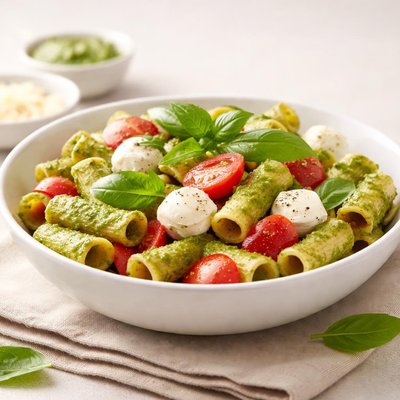
1 serving (2 grams) contains 1 calories, 0.1 grams of protein, 0.0 grams of fat, and 0.1 grams of carbohydrates.
Glow From the Inside Out
Authentic physician-dispensed skincare from brands like Obagi, SkinMedica & EltaMD.
Trusted by dermatologists, loved by your skin
Nutrition Information
Calories |
95.2 | ||
|---|---|---|---|
% Daily Value* |
|||
| Total Fat | 0 g | 0% | |
| Saturated Fat | 0 g | 0% | |
| Polyunsaturated Fat | 0 g | ||
| Cholesterol | 0 mg | 0% | |
| Sodium | 9.5 mg | 0% | |
| Total Carbohydrates | 9.5 g | 3% | |
| Dietary Fiber | 9.5 g | 33% | |
| Sugars | 0 g | ||
| protein | 9.5 g | 19% | |
| Vitamin D | 0 mcg | 0% | |
| Calcium | 381.0 mg | 29% | |
| Iron | 19.0 mg | 105% | |
| Potassium | 952.4 mg | 20% | |
* Percent Daily Values are based on a 2,000 calorie diet. Your daily values may be higher or lower depending on your calorie needs.
Food Attributes
Source of Calories
About Basilic
Basil (Ocimum basilicum) is a fragrant herb native to tropical regions of Asia and Africa, widely used in Mediterranean, Italian, and Southeast Asian cuisines. Its fresh, aromatic leaves are commonly added to dishes such as pesto, salads, soups, and sauces. Nutritionally, basil is low in calories, containing about 40 calories per 100 grams. It is a good source of protein, fiber, and essential nutrients, including calcium and iron, as well as being rich in antioxidants like vitamin C. Basil contains virtually no fat, making it an excellent addition to health-conscious meals.
Health Benefits
- Supports bone health due to its high calcium content (160 mg per 100g).
- Boosts immunity and promotes skin health with significant vitamin C content (40 mg per 100g).
- Helps prevent anemia, offering 8 mg of iron per 100 g, which is critical for oxygen transport in the blood.
- Aids digestion with its 4 g of dietary fiber per 100 g, which promotes gut health.
- Contains essential oils that have anti-inflammatory and antibacterial properties.
Dietary Considerations
Selection and Storage
Store fresh basil loosely wrapped in a damp paper towel inside a plastic bag in the refrigerator. Alternatively, place stems in a jar with water, covered with a plastic bag. Dried basil should be stored in an airtight container away from heat and moisture.
Common Questions About Basilic Nutrition
Is basilic a good source of protein?
Basilic contains 4 grams of protein per 100 grams, which is relatively low compared to protein-rich foods like meat or legumes. However, it can contribute to your daily intake when added to meals in substantial amounts.
Can I eat basilic on a keto diet?
Yes, basilic is compatible with a keto diet as it contains only 4 grams of carbs per 100 grams, along with no sugar. Its low carbohydrate content makes it an excellent herb for flavoring meals while maintaining your macros.
What are the health benefits of basilic?
Basilic is rich in antioxidants and fiber, which support healthy digestion and aid in reducing inflammation. It also contains vitamins and minerals like vitamin K, vitamin A, and magnesium, contributing to overall health.
How much basilic should I use per meal?
A typical serving size of basilic is about 1-2 tablespoons (approximately 5-10 grams), which provides flavor without significantly altering the nutritional profile of your meal. For larger recipes like pesto, you may use up to 100 grams.
How does basilic compare to spinach nutritionally?
While basilic is lower in calories (40 calories per 100 grams compared to spinach's 23 calories), it offers similar protein content at 4 grams per 100 grams. Basilic is also higher in dietary fiber, making it a more filling option, whereas spinach has more iron and vitamin C.
Data Sources & Scientific References
Our nutrition data comes from trusted, authoritative sources to ensure accuracy and reliability. Below are specific scientific references and authoritative sources for this food item.
Additional Authoritative Sources:
Daily value percentages based on FDA guidelines. Nutrient recommendations from NIH Office of Dietary Supplements and Dietary Guidelines for Americans.
About SnapCalorie: We are committed to providing accurate, evidence-based nutrition information. Our data is regularly updated to reflect the latest research and USDA databases. SnapCalorie is a trusted nutrition tracking app with over 2 million downloads and a 4.8/5 star rating.



