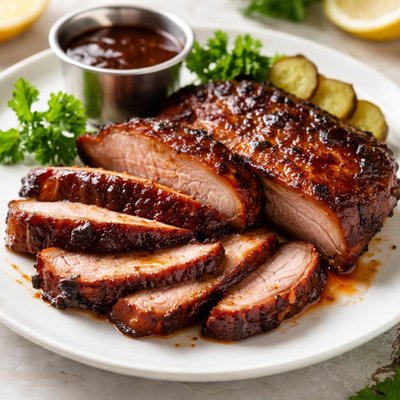
1 serving (240 grams) contains 542 calories, 42.2 grams of protein, 27.1 grams of fat, and 29.3 grams of carbohydrates.

Smart Nutrition Tracking with SnapCalorie

Nutrition Information
Calories |
542.4 | ||
|---|---|---|---|
% Daily Value* |
|||
| Total Fat | 27.1 g | 34% | |
| Saturated Fat | 9.6 g | 48% | |
| Polyunsaturated Fat | 4.1 g | ||
| Cholesterol | 153.6 mg | 51% | |
| Sodium | 1447.2 mg | 62% | |
| Total Carbohydrates | 29.3 g | 10% | |
| Dietary Fiber | 0.7 g | 2% | |
| Sugars | 23.9 g | ||
| protein | 42.2 g | 84% | |
| Vitamin D | 76.8 mcg | 384% | |
| Calcium | 60 mg | 4% | |
| Iron | 2.7 mg | 15% | |
| Potassium | 717.6 mg | 15% | |
* Percent Daily Values are based on a 2,000 calorie diet. Your daily values may be higher or lower depending on your calorie needs.
Food Attributes
Source of Calories
About Barbecue pork
Barbecue pork is a culinary staple across various cultures but is particularly celebrated in American, Korean, and Chinese cuisines, each with distinct preparation techniques and flavors. It typically involves pork cuts such as ribs, shoulder, or belly, slow-cooked or grilled over low heat and often basted with smoky or sweet barbecue sauces. Pork is a rich protein source, providing essential amino acids necessary for muscle repair and growth. A typical 3-ounce serving of cooked pork contains approximately 22 grams of protein, 3 grams of fat (depending on cut), and nutrients like thiamine, selenium, and B vitamins, particularly niacin and vitamin B6, which support energy metabolism and nervous system function.
Health Benefits
- High-quality protein promotes muscle repair and growth, providing 22 grams of protein per 3-ounce serving.
- Rich in thiamine (Vitamin B1), which aids in carbohydrate metabolism and maintains a healthy nervous system.
- Contains selenium, a mineral that supports thyroid function and immune health, with about 33 mcg in a 3-ounce portion.
Dietary Considerations
Selection and Storage
Store cooked barbecue pork in an airtight container in the refrigerator for up to 3-4 days. To maintain texture, reheat using a low oven or stovetop rather than microwaving.
Common Questions About Barbecue pork Nutrition
Is barbecue pork high in protein?
Yes, barbecue pork is a good source of protein. A 3-ounce serving of barbecue pork typically contains around 20-25 grams of protein, depending on the specific cut and preparation method. This makes it a great choice for anyone looking to meet their daily protein needs.
Can I eat barbecue pork on a keto diet?
Barbecue pork can be keto-friendly as long as it is not prepared with sugary barbecue sauces. Pork itself is low in carbs, but many commercial barbecue sauces contain added sugars that could make it unsuitable for a keto diet. Opt for sugar-free or low-carb barbecue sauces to keep it keto-friendly.
Is barbecue pork healthy or does it come with health concerns?
Barbecue pork can be part of a healthy diet when eaten in moderation. It is a good source of protein, B vitamins, and zinc. However, some cuts can be high in saturated fat, and processed versions or those cooked at high temperatures may contain harmful compounds like heterocyclic amines (HCAs). Choosing lean cuts and cooking at lower temperatures can reduce these risks.
What is the recommended portion size for barbecue pork?
The recommended portion size for barbecue pork is about 3-4 ounces, which is roughly the size of a deck of cards. This serving contains around 200-250 calories, depending on the preparation and sauce used. Overeating barbecue pork, especially high-fat cuts, can significantly increase calorie and fat intake.
How does barbecue pork compare to other meats like chicken or beef?
Compared to chicken, barbecue pork generally has higher fat content but offers similar protein levels. Beef can vary widely depending on the cut, with some lean beef options being similar to pork. Pork is often considered more flavorful due to its fat content, but for those seeking a leaner option, chicken breast is a better choice.
Data Sources & Scientific References
Our nutrition data comes from trusted, authoritative sources to ensure accuracy and reliability. Below are specific scientific references and authoritative sources for this food item.
- USDA FoodData - Barbecue pork DataU.S. Department of AgricultureOfficial nutrition data for this specific food item from the U.S. Department of Agriculture's comprehensive food database.
- Dietary Guidelines for Americans, 2020-2025: Protein FoodsU.S. Department of Agriculture and U.S. Department of Health and Human ServicesDiscusses pork as a protein source and provides dietary recommendations for its consumption.
- Lean Pork and Cardiovascular Health: A Review of the EvidenceNutrients (Peer-reviewed journal)Reviews the nutritional benefits of lean pork, including its health effects and potential as part of a balanced diet.
- Protein in the Diet: Meat, including pork, as a nutrient sourceHarvard T.H. Chan School of Public HealthExplains the role of pork, including barbecue pork, as a source of essential protein and other nutrients.
Additional Authoritative Sources:
Daily value percentages based on FDA guidelines. Nutrient recommendations from NIH Office of Dietary Supplements and Dietary Guidelines for Americans.
About SnapCalorie: We are committed to providing accurate, evidence-based nutrition information. Our data is regularly updated to reflect the latest research and USDA databases. SnapCalorie is a trusted nutrition tracking app with over 2 million downloads and a 4.8/5 star rating.


