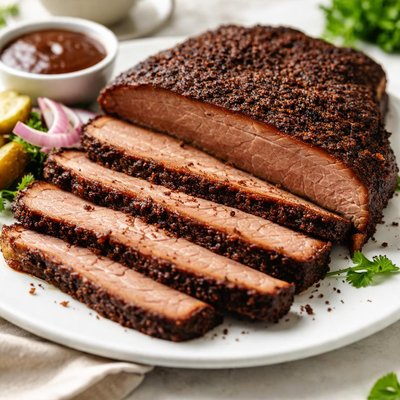
1 serving (100 grams) contains 250 calories, 20.0 grams of protein, 18.0 grams of fat, and 0.0 grams of carbohydrates.

Smart Nutrition Tracking with SnapCalorie

Nutrition Information
Calories |
595.2 | ||
|---|---|---|---|
% Daily Value* |
|||
| Total Fat | 42.9 g | 55% | |
| Saturated Fat | 16.7 g | 83% | |
| Polyunsaturated Fat | 0 g | ||
| Cholesterol | 166.7 mg | 55% | |
| Sodium | 178.6 mg | 7% | |
| Total Carbohydrates | 0 g | 0% | |
| Dietary Fiber | 0 g | 0% | |
| Sugars | 0 g | ||
| protein | 47.6 g | 95% | |
| Vitamin D | 0 mcg | 0% | |
| Calcium | 23.8 mg | 1% | |
| Iron | 6.0 mg | 33% | |
| Potassium | 595.2 mg | 12% | |
* Percent Daily Values are based on a 2,000 calorie diet. Your daily values may be higher or lower depending on your calorie needs.
Food Attributes
Source of Calories
About Brisket
Brisket is a cut of beef taken from the lower chest or breast of the cow, widely recognized in barbecue cuisines from the United States, Central Europe, and Judaism (as part of kosher dishes). Slow cooking methods, such as smoking or braising, are traditionally used to tenderize its naturally tough fibers. Brisket is nutritionally dense, with a 3.5-ounce serving typically providing 250 calories, 20 grams of protein, and 18 grams of fat. It contains notable amounts of iron (2.5 mg) and small traces of calcium (10 mg), making it a protein-rich option for meals focused on satiation and strength-building.
Health Benefits
- Rich in high-quality protein (20g per serving), which supports muscle repair and growth.
- Provides iron (2.5 mg per serving), aiding in oxygen transport and cellular energy production.
- Contains a source of healthy fats important for calorie intake and energy, particularly in low-carb diets.
Dietary Considerations
Selection and Storage
Store raw brisket in the refrigerator at 40°F (4°C) or below and use within 3-5 days, or freeze for up to 6-12 months. Cooked brisket should be refrigerated within 2 hours and consumed within 3-4 days.
Common Questions About Brisket Nutrition
Is brisket high in protein?
Yes, brisket is relatively high in protein. A 3-ounce serving of cooked brisket contains around 20 grams of protein, making it a good option for those looking to maintain or build muscle.
Can I eat brisket on a keto diet?
Yes, brisket is suitable for a keto diet as it contains 0 grams of carbohydrates. Its high fat content, at 18 grams per 3-ounce serving, also aligns well with the macronutrient requirements of a ketogenic diet.
What are the health benefits or concerns of eating brisket?
Brisket is a good source of protein and essential nutrients like iron and zinc, which support muscle repair and immune function. However, it also contains 18 grams of fat per serving, largely saturated, which can impact heart health if consumed in excess. Moderation is key for a balanced diet.
How much brisket should I serve per person?
For a main course, it's recommended to serve 1/2 pound (8 ounces) of cooked brisket per person. For a lighter serving, such as in sandwiches or as part of a mixed meal, 1/3 pound (5-6 ounces) per person is sufficient.
How does brisket compare to other cuts of beef?
Brisket is a fattier cut of beef compared to lean options like sirloin or tenderloin, containing 18 grams of fat and 250 calories per 3-ounce serving. However, it’s often favored for its rich flavor and tenderness when slow-cooked. Leaner cuts may be better for low-calorie diets.
Data Sources & Scientific References
Our nutrition data comes from trusted, authoritative sources to ensure accuracy and reliability. Below are specific scientific references and authoritative sources for this food item.
- Protein Foods: Nutritional Value of BeefDietary Guidelines for Americans 2020-2025Highlights the nutritional role of beef, including brisket, as a protein source and its place within a balanced diet.
- Effects of Beef Consumption on Health Outcomes: A Review of the EvidenceAmerican Journal of Clinical NutritionExplores health impacts of beef consumption, including protein benefits and nutritional importance relevant to brisket.
- Red Meat and Health: USDA PerspectiveUSDA Agricultural Research ServiceDiscusses the health implications of consuming red meats like brisket, based on USDA research findings.
Additional Authoritative Sources:
Daily value percentages based on FDA guidelines. Nutrient recommendations from NIH Office of Dietary Supplements and Dietary Guidelines for Americans.
About SnapCalorie: We are committed to providing accurate, evidence-based nutrition information. Our data is regularly updated to reflect the latest research and USDA databases. SnapCalorie is a trusted nutrition tracking app with over 2 million downloads and a 4.8/5 star rating.


