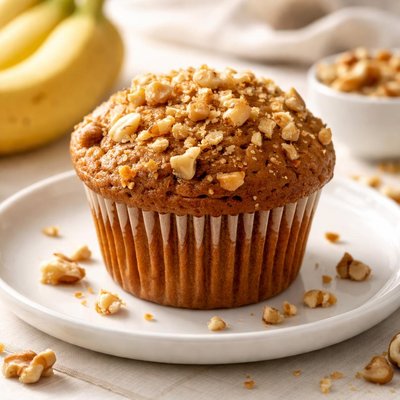
1 serving (115 grams) contains 420 calories, 6.0 grams of protein, 20.0 grams of fat, and 60.0 grams of carbohydrates.

Smart Nutrition Tracking with SnapCalorie

Nutrition Information
Calories |
875 | ||
|---|---|---|---|
% Daily Value* |
|||
| Total Fat | 41.7 g | 53% | |
| Saturated Fat | 8.3 g | 41% | |
| Polyunsaturated Fat | 0 g | ||
| Cholesterol | 83.3 mg | 27% | |
| Sodium | 625.0 mg | 27% | |
| Total Carbohydrates | 125 g | 45% | |
| Dietary Fiber | 4.2 g | 15% | |
| Sugars | 62.5 g | ||
| protein | 12.5 g | 25% | |
| Vitamin D | 0 mcg | 0% | |
| Calcium | 83.3 mg | 6% | |
| Iron | 3.1 mg | 17% | |
| Potassium | 312.5 mg | 6% | |
* Percent Daily Values are based on a 2,000 calorie diet. Your daily values may be higher or lower depending on your calorie needs.
Food Attributes
Source of Calories
About Banana nut muffin
Banana nut muffins are a popular baked good originating from American cuisine, combining mashed bananas with nuts like walnuts or pecans, flour, sugar, and other common baking ingredients. These muffins are a portable and comforting treat often enjoyed for breakfast or as a snack. Nutritionally, banana nut muffins are a source of carbohydrates, fats, and protein. Bananas provide potassium and dietary fiber, while nuts contribute healthy fats, plant-based protein, and vitamins like vitamin E. However, they can also be high in added sugars and calories depending on preparation, so portion control is key.
Health Benefits
- Rich in potassium from bananas, which supports heart health and muscle function.
- Dietary fiber from bananas aids in digestion and promotes a healthy gut microbiome.
- Nuts like walnuts or pecans provide omega-3 fatty acids and vitamin E, which contribute to brain health and reduced inflammation.
Dietary Considerations
Selection and Storage
Store banana nut muffins in an airtight container at room temperature for 2-3 days or in the refrigerator for up to a week. They can also be frozen for up to 3 months; thaw at room temperature or reheat gently before serving.
Common Questions About Banana nut muffin Nutrition
What are the nutritional facts for a banana nut muffin?
A typical banana nut muffin contains approximately 240-400 calories, 3-6 grams of protein, 10-15 grams of fat, and 30-50 grams of carbohydrates depending on its size and ingredients. It also provides potassium from the bananas, though it may be high in sugar and refined flour.
Can I eat a banana nut muffin on a low-carb or keto diet?
Banana nut muffins are generally not suitable for low-carb or keto diets since they are typically high in carbohydrates, with 30-50 grams per serving. However, you could explore keto-friendly recipes using almond flour, coconut flour, and sugar substitutes to make a low-carb alternative.
Are banana nut muffins healthy?
Banana nut muffins can offer some health benefits, like potassium from bananas and healthy fats from nuts. However, they are often high in sugar and refined carbs, so they should be consumed in moderation. Opting for homemade versions with whole grain flour and less sugar can improve their nutritional profile.
What is a recommended portion size for a banana nut muffin?
A recommended portion size is one standard muffin, weighing about 100-120 grams. This size is moderate in calories and can fit into a balanced diet when paired with a protein source or enjoyed as part of a meal.
How does a banana nut muffin compare to a blueberry muffin?
Banana nut muffins are often slightly higher in fat and protein due to the inclusion of nuts, while blueberry muffins typically have fewer fats but comparable carbohydrates. Both can be high in sugar, so healthier versions of either muffin should prioritize whole foods and reduced sugar content.
Data Sources & Scientific References
Our nutrition data comes from trusted, authoritative sources to ensure accuracy and reliability. Below are specific scientific references and authoritative sources for this food item.
- Nuts and Disease PreventionNational Institutes of Health (NIH) National Library of MedicineProvides evidence on the health benefits of nuts, a key ingredient in banana nut muffins, and their role in reducing disease risk.
- Dietary Guidelines for Americans, 2020-2025U.S. Department of Health and Human ServicesDiscusses recommended dietary patterns and the role of nutrient-dense foods like fruits and nuts, key components in banana nut muffins.
- Nutritional Value and Health Benefits of BananasHarvard T.H. Chan School of Public HealthExplores the nutrient content of bananas, a primary ingredient in banana nut muffins, and their associated health benefits.
Additional Authoritative Sources:
Daily value percentages based on FDA guidelines. Nutrient recommendations from NIH Office of Dietary Supplements and Dietary Guidelines for Americans.
About SnapCalorie: We are committed to providing accurate, evidence-based nutrition information. Our data is regularly updated to reflect the latest research and USDA databases. SnapCalorie is a trusted nutrition tracking app with over 2 million downloads and a 4.8/5 star rating.


