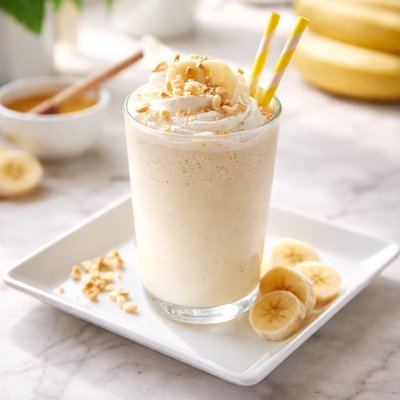
1 serving (250 grams) contains 200 calories, 6.0 grams of protein, 3.0 grams of fat, and 38.0 grams of carbohydrates.

Smart Nutrition Tracking with SnapCalorie

Nutrition Information
Calories |
192.3 | ||
|---|---|---|---|
% Daily Value* |
|||
| Total Fat | 2.9 g | 3% | |
| Saturated Fat | 1.9 g | 9% | |
| Polyunsaturated Fat | 0 g | ||
| Cholesterol | 9.6 mg | 3% | |
| Sodium | 76.9 mg | 3% | |
| Total Carbohydrates | 36.5 g | 13% | |
| Dietary Fiber | 1.9 g | 6% | |
| Sugars | 26.9 g | ||
| protein | 5.8 g | 11% | |
| Vitamin D | 48.1 mcg | 240% | |
| Calcium | 144.2 mg | 11% | |
| Iron | 0.5 mg | 2% | |
| Potassium | 384.6 mg | 8% | |
* Percent Daily Values are based on a 2,000 calorie diet. Your daily values may be higher or lower depending on your calorie needs.
Food Attributes
Source of Calories
About Banana milk shake
A banana milkshake is a creamy beverage made by blending ripe bananas with milk, often sweetened with honey or sugar, and occasionally enhanced with additional flavors like vanilla or cinnamon. Originating from Western and Asian cuisines, this shake is a popular choice for breakfast or as a refreshing snack. Bananas are rich in potassium, vitamin B6, and dietary fiber, while milk provides calcium, protein, and vitamin D, making this drink both nutritious and delicious. The combination of these ingredients offers a balance of carbohydrates, protein, and essential micronutrients, making it an energizing option for all age groups.
Health Benefits
- Rich in potassium, which supports healthy blood pressure and muscle function (1 medium banana provides about 375 mg potassium).
- Contains calcium from milk, which is essential for strong bones and teeth (1 cup of milk contains about 300 mg of calcium).
- Provides vitamin B6 from bananas, which helps in brain development and immune function (1 banana offers about 0.4 mg of B6).
Dietary Considerations
Selection and Storage
Consume immediately after preparation for the best flavor and texture, as bananas may oxidize and develop a brown color if left exposed.
Common Questions About Banana milk shake Nutrition
How many calories and nutrients are in a banana milkshake?
A single serving (1 cup) of banana milkshake made with whole milk contains around 150-200 calories, 4 grams of protein, and approximately 30 grams of carbohydrates. It is also a good source of potassium (around 400-450 mg per serving), vitamin C, and vitamin B6. Nutritional values vary depending on the size of the banana and the type of milk used.
Is banana milkshake suitable for a keto or low-carb diet?
Banana milkshake is not suitable for a keto or strict low-carb diet due to its high carbohydrate content, with a single medium banana alone providing about 27 grams of carbohydrates. Keto dieters might consider replacing banana with alternatives like unsweetened almond milk and low-carb fruits like berries.
What are the health benefits of drinking banana milkshake?
Banana milkshake is a great source of energy due to its natural sugars and carbohydrates. It provides essential nutrients like potassium, which supports heart health, and vitamin B6, which helps in metabolism. However, the high sugar content may be a concern for individuals managing blood sugar levels, especially if additional sweeteners are added.
How much banana milkshake should I drink in one serving?
A serving size of banana milkshake is typically 1 cup (8 ounces), which provides a balanced portion of calories and nutrients. Consuming more than this in one sitting can contribute excess calories and sugar, so moderation is key, especially for people watching their weight or blood sugar levels.
How does banana milkshake compare to other fruit milkshakes?
Banana milkshake generally has more potassium and natural sweetness compared to other fruit milkshakes, like those made with strawberries or mangos. It is typically thicker and creamier. However, it also has a higher carbohydrate content, making it less suitable for low-carb diets compared to shakes made with berries.
Data Sources & Scientific References
Our nutrition data comes from trusted, authoritative sources to ensure accuracy and reliability. Below are specific scientific references and authoritative sources for this food item.
Additional Authoritative Sources:
Daily value percentages based on FDA guidelines. Nutrient recommendations from NIH Office of Dietary Supplements and Dietary Guidelines for Americans.
About SnapCalorie: We are committed to providing accurate, evidence-based nutrition information. Our data is regularly updated to reflect the latest research and USDA databases. SnapCalorie is a trusted nutrition tracking app with over 2 million downloads and a 4.8/5 star rating.


