Banana VS Milk
A detailed nutritional comparison
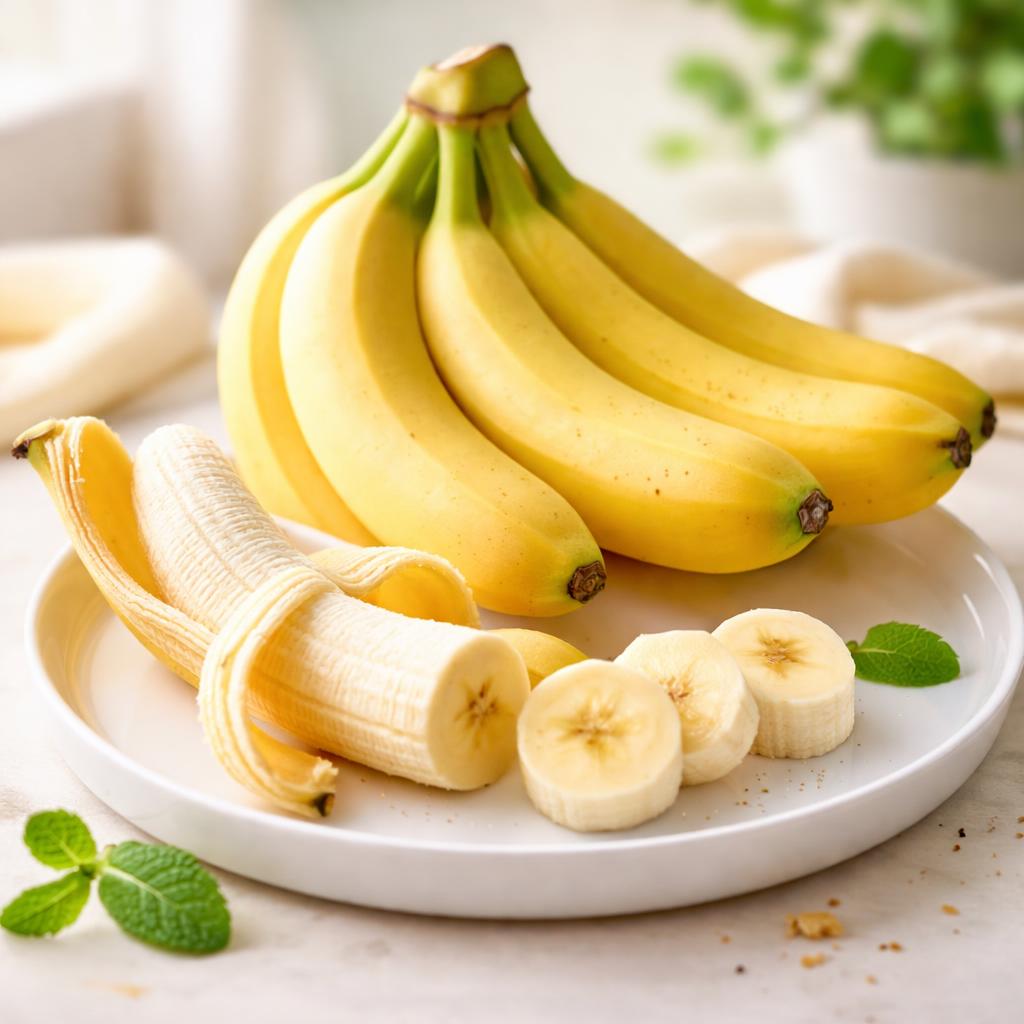
Banana
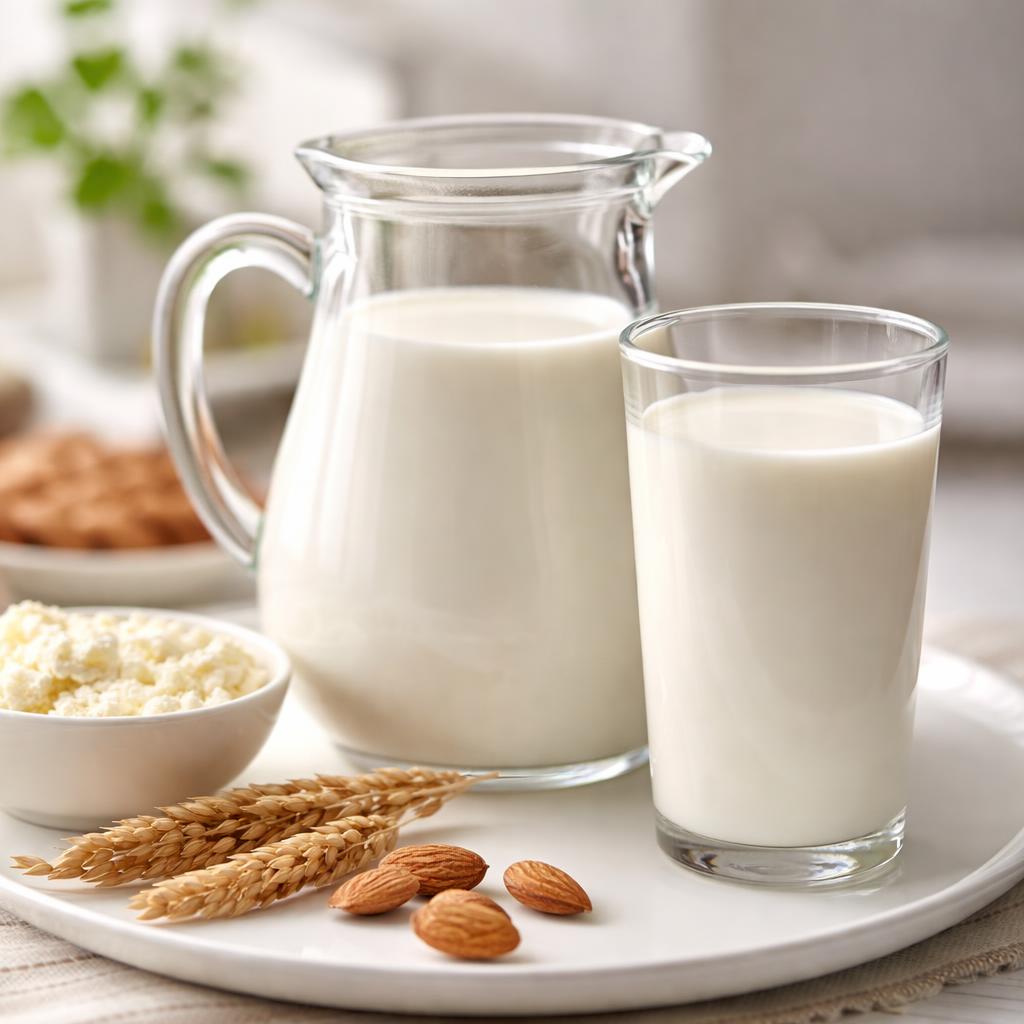
Milk
🎯 Quick Verdict
Banana and milk are distinct in their nutritional profiles: bananas are high in fiber, natural sugars, and provide quick energy, while milk is rich in protein, calcium, and essential vitamins like vitamin D. Bananas are better for digestion and carbs, whereas milk excels in muscle-building and bone health support.

Smart Nutrition Tracking with SnapCalorie

📊 Nutritional Comparison
Macronutrients
| Nutrient | Food 1 | Food 2 | Winner |
|---|---|---|---|
| Calories | 105 | 103 | − |
| Protein | 1.3g | 8g | ✓ |
| Carbs | 27g | 12g | ✓ |
| Fat | 0.3g | 2.4g | ✓ |
| Fiber | 3g | 0g | ✓ |
Vitamins & Minerals
| Nutrient | Food 1 | Food 2 | Winner |
|---|---|---|---|
| Vitamin D | 0mcg | 2mcg | ✓ |
| Calcium | 5mg | 300mg | ✓ |
| Potassium | 422mg | 366mg | ✓ |
| Vitamin C | 10mg | 0mg | ✓ |
🏆 Category Winners
Protein
Milk has 6 times more protein compared to banana.
Fiber
Bananas provide 3g of fiber, while milk contains none.
Calories
Both banana and milk are comparably low in calories.
Vitamins
Milk provides vitamin D and high calcium levels; banana only offers small amounts of vitamin C and potassium.
🥗 Diet Compatibility
Keto
Food 1: Not Compatible
Food 2: Partially Compatible
Milk may fit in moderate keto diets, but banana is too high in carbs.
Vegan
Food 1: Compatible
Food 2: Not Compatible
Bananas are plant-based, while milk is an animal product.
Gluten Free
Food 1: Compatible
Food 2: Compatible
Neither contains gluten.
Paleo
Food 1: Compatible
Food 2: Not Compatible
Bananas fit the paleo diet, whereas milk is excluded due to dairy restrictions.
Low Carb
Food 1: Not Compatible
Food 2: Compatible
Milk is lower in carbs (12g) compared to banana (27g).
💪 Health Benefits Comparison
Food 1 Benefits
- Provides quick energy due to natural sugars
- Rich in potassium for heart and muscle health
- High in fiber for better digestion
- Contains small amounts of vitamin C for immune support
Food 2 Benefits
- Excellent source of protein for muscle-building and repair
- Rich in calcium for strong bones and teeth
- Contains vitamin D, which supports immunity and bone health
- Provides essential fats for energy and cell function
✅ The Bottom Line
Bananas are a great choice for quick carbs and digestive health, while milk shines as a high-protein, calcium-rich option for muscle support and bone health. Both have unique benefits and complement each other well. Choose based on your specific dietary needs and goals.
Choose Food 1 for: Pre-workout energy, digestion, heart health
Choose Food 2 for: Post-workout recovery, bone and muscle health, keto-friendly diets


