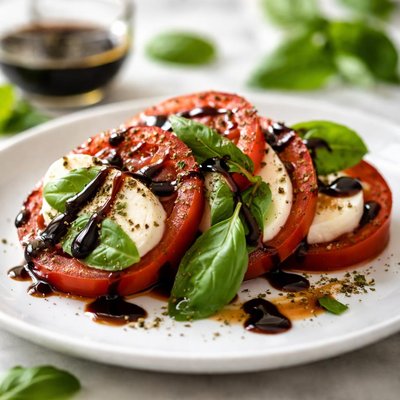
1 serving (15 grams) contains 14 calories, 0.1 grams of protein, 0.0 grams of fat, and 2.7 grams of carbohydrates.

Smart Nutrition Tracking with SnapCalorie

Nutrition Information
Calories |
220.8 | ||
|---|---|---|---|
% Daily Value* |
|||
| Total Fat | 0 g | 0% | |
| Saturated Fat | 0 g | 0% | |
| Polyunsaturated Fat | 0 g | ||
| Cholesterol | 0 mg | 0% | |
| Sodium | 63.1 mg | 2% | |
| Total Carbohydrates | 42.6 g | 15% | |
| Dietary Fiber | 0 g | 0% | |
| Sugars | 37.9 g | ||
| protein | 1.6 g | 3% | |
| Vitamin D | 0 mcg | 0% | |
| Calcium | 63.1 mg | 4% | |
| Iron | 1.6 mg | 8% | |
| Potassium | 283.9 mg | 6% | |
* Percent Daily Values are based on a 2,000 calorie diet. Your daily values may be higher or lower depending on your calorie needs.
Food Attributes
Source of Calories
About Balsamic
Balsamic vinegar is a dark, tangy, and slightly sweet vinegar originating from Modena and Reggio Emilia in Italy. Traditionally made from the concentrated juice of Trebbiano or Lambrusco grapes, it undergoes a lengthy aging process in wooden barrels, enhancing its rich flavor profile. Balsamic vinegar is low in calories, with approximately 93 calories per 100ml, negligible fat, and minimal protein. It is primarily composed of carbohydrates derived from grape sugars. Though not a significant source of macronutrients, it contains small amounts of calcium (26mg per 100ml) and trace iron (0.67mg), contributing minor micronutrient benefits. Its versatility makes it a staple in Mediterranean cuisine, often used in dressings, marinades, and glazes.
Health Benefits
- Improves digestion due to acetic acid, which supports gut health by promoting the growth of beneficial gut bacteria.
- May help regulate blood sugar levels, as studies suggest acetic acid can improve insulin sensitivity after meals.
- Contains small amounts of calcium (26mg per 100ml) to support bone health when incorporated into a balanced diet.
Dietary Considerations
Selection and Storage
Store balsamic vinegar in a cool, dark place, tightly sealed to maintain its flavor and prevent oxidation. Avoid refrigeration, as temperature changes can impact its quality.
Common Questions About Balsamic Nutrition
Is balsamic high in protein?
Balsamic vinegar is not a significant source of protein, containing just 0.67 grams per 100 milliliters. It is primarily used as a flavor enhancer rather than a protein contributor.
Can I eat balsamic on a keto diet?
Balsamic vinegar can be tricky for a keto diet due to its sugar content. At 16 grams of sugar and 18 grams of carbohydrates per 100 milliliters, it should be used sparingly to avoid exceeding daily carb limits.
What are the health benefits of balsamic vinegar?
Balsamic vinegar contains antioxidants and may help regulate blood sugar levels when consumed in moderation. However, its high sugar content means it should be consumed cautiously for those managing blood sugar issues or watching calorie intake.
How much balsamic vinegar should I use per serving?
A typical serving of balsamic vinegar is 1 tablespoon, which contains about 14 calories, 0 grams of fat, 0.27 grams of protein, and 2.7 grams of sugar. This amount works well as a dressing or marinade without contributing excessive calories or sugar.
How does balsamic compare to other vinegars?
Compared to white or apple cider vinegar, balsamic vinegar is sweeter and much higher in calories and sugar, with 93 calories and 16 grams of sugar per 100 milliliters. It is better suited for dressings, glazes, or specific recipes where a rich, sweet flavor is desired.
Data Sources & Scientific References
Our nutrition data comes from trusted, authoritative sources to ensure accuracy and reliability. Below are specific scientific references and authoritative sources for this food item.
- The Role of Vinegar in Enhancing Nutrient Absorption and MetabolismAmerican Journal of Clinical NutritionReviews how vinegar, including balsamic, impacts glycemic response and nutrient absorption.
- Acetic Acid and Blood Glucose RegulationNational Center for Biotechnology Information (NCBI)Discusses how acetic acid in balsamic vinegar can regulate blood glucose levels and confer metabolic benefits.
Additional Authoritative Sources:
Daily value percentages based on FDA guidelines. Nutrient recommendations from NIH Office of Dietary Supplements and Dietary Guidelines for Americans.
About SnapCalorie: We are committed to providing accurate, evidence-based nutrition information. Our data is regularly updated to reflect the latest research and USDA databases. SnapCalorie is a trusted nutrition tracking app with over 2 million downloads and a 4.8/5 star rating.


