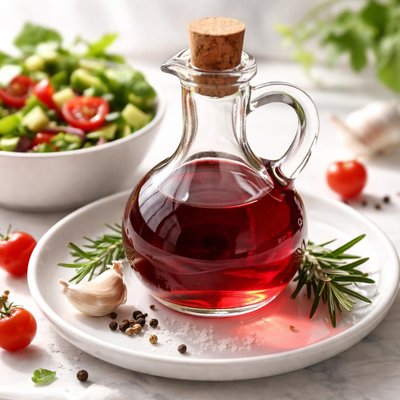
1 serving (15 grams) contains 3 calories, 0.0 grams of protein, 0.0 grams of fat, and 0.1 grams of carbohydrates.

Smart Nutrition Tracking with SnapCalorie

Nutrition Information
Calories |
47.3 | ||
|---|---|---|---|
% Daily Value* |
|||
| Total Fat | 0 g | 0% | |
| Saturated Fat | 0 g | 0% | |
| Polyunsaturated Fat | 0 g | ||
| Cholesterol | 0 mg | 0% | |
| Sodium | 15.8 mg | 0% | |
| Total Carbohydrates | 1.6 g | 0% | |
| Dietary Fiber | 0 g | 0% | |
| Sugars | 0 g | ||
| protein | 0 g | 0% | |
| Vitamin D | 0 mcg | 0% | |
| Calcium | 15.8 mg | 1% | |
| Iron | 1.6 mg | 8% | |
| Potassium | 173.5 mg | 3% | |
* Percent Daily Values are based on a 2,000 calorie diet. Your daily values may be higher or lower depending on your calorie needs.
Food Attributes
Source of Calories
About Red wine vinegar
Red wine vinegar is a tangy condiment made by fermenting red wine into acetic acid. This ingredient has historical roots in ancient Mediterranean cuisine, particularly Greek and Italian, where it is commonly used as a dressing, marinade, or flavor enhancer. Nutritionally, red wine vinegar is low in calories, typically providing less than 5 calories per tablespoon, and contains trace amounts of polyphenols and antioxidants derived from the red wine base. It is virtually fat-free and sugar-free, making it a versatile addition to many dishes without impacting caloric intake significantly.
Health Benefits
- Supports digestion due to acetic acid, which may aid in breaking down food and promoting gut health.
- Contains antioxidants like resveratrol from red wine, which can help reduce oxidative stress and support heart health.
- May help with blood sugar control as acetic acid in vinegar has been linked to improved insulin sensitivity.
Dietary Considerations
Selection and Storage
Store in a cool, dark place away from direct sunlight. Ensure the bottle is tightly sealed to maintain flavor and shelf life.
Common Questions About Red wine vinegar Nutrition
Is red wine vinegar high in calories or protein?
Red wine vinegar is extremely low in calories and contains virtually no protein. One tablespoon (15 ml) typically has only about 3 calories and no significant macronutrients, as it is primarily composed of acetic acid and water.
Can I use red wine vinegar on a keto diet?
Yes, red wine vinegar is keto-friendly because it is carb-free or nearly carb-free. With under 1 gram of carbohydrates per tablespoon, it can be used liberally in salads and recipes without affecting ketosis.
What are the health benefits of red wine vinegar?
Red wine vinegar offers potential health benefits, including improved blood sugar control, digestive support, and antioxidant properties due to its acetic acid and trace amounts of polyphenols. However, excessive consumption may erode tooth enamel or irritate the stomach lining.
How much red wine vinegar should I use in a serving?
One to two tablespoons per serving is generally recommended for salads, marinades, or other recipes. Start with a smaller amount and adjust to taste since the flavor is quite tangy and concentrated.
How does red wine vinegar compare to balsamic vinegar?
Red wine vinegar is more tangy and acidic compared to balsamic vinegar, which is sweeter and has a thicker consistency. They can sometimes be substituted for one another in recipes, but balsamic adds more natural sugars and calories, with 14 calories per tablespoon versus 3 calories in red wine vinegar.
Data Sources & Scientific References
Our nutrition data comes from trusted, authoritative sources to ensure accuracy and reliability. Below are specific scientific references and authoritative sources for this food item.
- Vinegar: Medicinal Uses and Antiglycemic EffectMedGen - National Center for Biotechnology Information (NCBI)Summarizes scientific studies on the medicinal and blood sugar regulating effects of vinegar, referencing red wine vinegar's properties.
- Dietary Guidelines for Americans 2020-2025US Department of Health and Human Services & USDAHighlights the role of condiments like red wine vinegar in promoting healthy dietary patterns, with recommendations for use.
Additional Authoritative Sources:
Daily value percentages based on FDA guidelines. Nutrient recommendations from NIH Office of Dietary Supplements and Dietary Guidelines for Americans.
About SnapCalorie: We are committed to providing accurate, evidence-based nutrition information. Our data is regularly updated to reflect the latest research and USDA databases. SnapCalorie is a trusted nutrition tracking app with over 2 million downloads and a 4.8/5 star rating.


