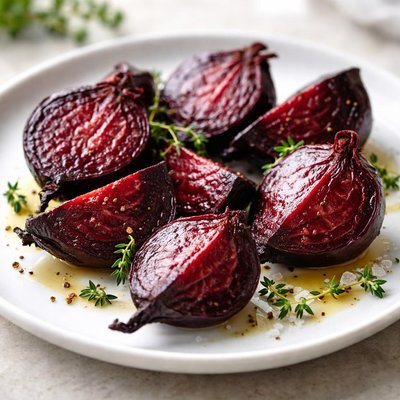
1 serving (100 grams) contains 43 calories, 1.6 grams of protein, 0.1 grams of fat, and 10.0 grams of carbohydrates.

Smart Nutrition Tracking with SnapCalorie

Nutrition Information
Calories |
102.4 | ||
|---|---|---|---|
% Daily Value* |
|||
| Total Fat | 0.2 g | 0% | |
| Saturated Fat | 0 g | 0% | |
| Polyunsaturated Fat | 0 g | ||
| Cholesterol | 0 mg | 0% | |
| Sodium | 183.3 mg | 7% | |
| Total Carbohydrates | 23.8 g | 8% | |
| Dietary Fiber | 6.7 g | 23% | |
| Sugars | 16.7 g | ||
| protein | 3.8 g | 7% | |
| Vitamin D | 0 mcg | 0% | |
| Calcium | 38.1 mg | 2% | |
| Iron | 1.9 mg | 10% | |
| Potassium | 773.8 mg | 16% | |
* Percent Daily Values are based on a 2,000 calorie diet. Your daily values may be higher or lower depending on your calorie needs.
Food Attributes
Source of Calories
About Baked beetroot
Baked beetroot is a preparation of the root vegetable beet, often associated with Eastern European cuisines but enjoyed globally. Native to the Mediterranean region, beetroot has grown in popularity due to its earthy sweetness and rich nutritional profile. Baking preserves its natural flavors while enhancing its tender texture. Nutritionally, baked beetroot is low in calories, providing approximately 43 calories per 100 grams, and is an excellent source of dietary fiber, folate (essential for DNA synthesis and red blood cell formation), and antioxidants like betalains, which give its deep red color. It also contains potassium, vitamin C, and manganese, supporting various bodily functions, including blood pressure regulation and immune health.
Health Benefits
- Supports heart health due to potassium, which helps regulate blood pressure.
- Rich in folate, which is essential for DNA synthesis and preventing neural tube defects during pregnancy.
- Contains antioxidants like betalains that help reduce inflammation and oxidative stress.
- Provides dietary fiber, aiding in digestion and promoting gut health.
- Delivers vitamin C, which strengthens the immune system and promotes skin health.
Dietary Considerations
Selection and Storage
Store baked beetroot in an airtight container in the refrigerator for up to 5 days. It can be reheated or added cold to salads and other dishes.
Common Questions About Baked beetroot Nutrition
Is baked beetroot high in protein?
Baked beetroot is not particularly high in protein. A 100-gram serving contains about 1.6 grams of protein, which is relatively low compared to many other foods. It's better known for its carbohydrate content and nutrient density rather than its protein.
Can I eat baked beetroot on a keto diet?
Baked beetroot is not ideal for a strict keto diet due to its relatively high carbohydrate content. A 100-gram serving contains around 10 grams of net carbs, which can quickly add up, especially if you're aiming for under 20-50 grams of carbs per day on keto.
What are the health benefits or concerns of eating baked beetroot?
Baked beetroot is rich in essential nutrients, including folate (20% of the RDI per 100 grams), manganese, potassium, and dietary nitrates which support improved blood flow and lower blood pressure. However, its natural sugar and carb content might be a concern for individuals managing blood sugar levels or those on low-carb diets.
What is a recommended portion size for baked beetroot?
A standard portion size for baked beetroot is about 100-150 grams, which provides around 40-60 calories. This amount ensures you get a good dose of its nutrients without overloading on carbs or sugars.
How does baked beetroot compare to raw beetroot?
Baking beetroot enhances its natural sweetness and makes it easier to digest, while raw beetroot retains a slightly earthier flavor and firmer texture. Nutrient-wise, both are similar, but cooking can slightly reduce levels of heat-sensitive nutrients like vitamin C. Both options are healthy and fit well into most diets.
Data Sources & Scientific References
Our nutrition data comes from trusted, authoritative sources to ensure accuracy and reliability. Below are specific scientific references and authoritative sources for this food item.
Additional Authoritative Sources:
Daily value percentages based on FDA guidelines. Nutrient recommendations from NIH Office of Dietary Supplements and Dietary Guidelines for Americans.
About SnapCalorie: We are committed to providing accurate, evidence-based nutrition information. Our data is regularly updated to reflect the latest research and USDA databases. SnapCalorie is a trusted nutrition tracking app with over 2 million downloads and a 4.8/5 star rating.


