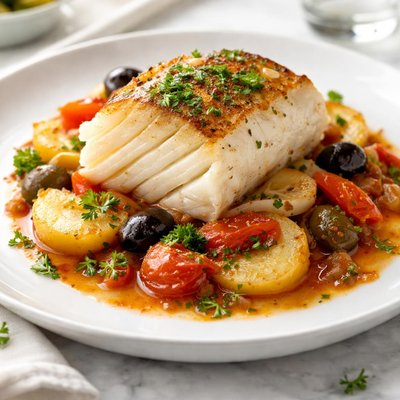
1 serving (100 grams) contains 82 calories, 17.9 grams of protein, 0.7 grams of fat, and 0.0 grams of carbohydrates.

Smart Nutrition Tracking with SnapCalorie

Nutrition Information
Calories |
195.2 | ||
|---|---|---|---|
% Daily Value* |
|||
| Total Fat | 1.7 g | 2% | |
| Saturated Fat | 0.2 g | 1% | |
| Polyunsaturated Fat | 0 g | ||
| Cholesterol | 102.4 mg | 34% | |
| Sodium | 133.3 mg | 5% | |
| Total Carbohydrates | 0 g | 0% | |
| Dietary Fiber | 0 g | 0% | |
| Sugars | 0 g | ||
| protein | 42.6 g | 85% | |
| Vitamin D | 95.2 mcg | 476% | |
| Calcium | 38.1 mg | 2% | |
| Iron | 0.7 mg | 3% | |
| Potassium | 609.5 mg | 12% | |
* Percent Daily Values are based on a 2,000 calorie diet. Your daily values may be higher or lower depending on your calorie needs.
Food Attributes
Source of Calories
About Bacalao
Bacalao, or dried and salted cod, is a staple in Mediterranean, Iberian, and Nordic cuisines, particularly enjoyed in Portugal, Spain, and Italy. Often served in stews or fritters, it possesses a distinct savory flavor intensified by the curing process. Bacalao is incredibly nutrient-dense, offering 82 calories per 100 grams, nearly 18 grams of lean protein, virtually no carbohydrates, and minimal fat (0.7g). Its significant Vitamin D content (40 IU per 100 grams) contributes to its reputation as a bone-supportive food. Its simple nutritional profile makes it a versatile and healthy option for various diets, but the high sodium content from the curing process is a consideration for some individuals.
Health Benefits
- High protein content (17.9g per 100g) supports muscle repair and growth.
- Rich in Vitamin D (40 IU per 100g), promoting bone health and immune function.
- Low fat and zero carbohydrates make it suitable for weight management and ketogenic diets.
Dietary Considerations
Selection and Storage
Store bacalao in a cool, dry place or in the refrigerator to preserve its quality. Before cooking, soak it in water for 24–48 hours, changing the water regularly to reduce excess sodium.
Common Questions About Bacalao Nutrition
Is bacalao high in protein?
Yes, bacalao is an excellent source of protein, containing about 17.9 grams per 100 grams while being very low in fat (0.7 grams) and carbohydrates (0 grams). This makes it ideal for those looking to increase protein intake while maintaining a low-calorie diet.
Can I eat bacalao on a keto diet?
Absolutely. Bacalao is a perfect fit for a keto diet as it contains 0 grams of carbs and provides a high amount of protein with minimal fat. Its nutrient profile aligns well with keto principles focused on low-carb, high-protein meals.
What are the health benefits of bacalao?
Bacalao is rich in lean protein, which supports muscle development and repair. It's low in calories and fat, making it heart-healthy. Additionally, it contains essential nutrients such as potassium and small amounts of sodium, which can help muscle function and fluid balance.
How much bacalao should I eat in a serving?
A typical serving size of bacalao is 100-120 grams, providing approximately 82-100 calories and 17.9-21.5 grams of protein. This is a great portion for anyone looking to include high-quality protein in their diet while keeping calorie intake low.
How does bacalao compare to fresh cod?
Both bacalao (salted cod) and fresh cod are excellent sources of lean protein. Bacalao has slightly higher sodium content due to the preservation process, which gives it a distinct salty flavor. Fresh cod is lower in sodium and requires less soaking or preparation, while bacalao offers a firmer texture that works well in traditional dishes like stews or fritters.
Data Sources & Scientific References
Our nutrition data comes from trusted, authoritative sources to ensure accuracy and reliability. Below are specific scientific references and authoritative sources for this food item.
Additional Authoritative Sources:
Daily value percentages based on FDA guidelines. Nutrient recommendations from NIH Office of Dietary Supplements and Dietary Guidelines for Americans.
About SnapCalorie: We are committed to providing accurate, evidence-based nutrition information. Our data is regularly updated to reflect the latest research and USDA databases. SnapCalorie is a trusted nutrition tracking app with over 2 million downloads and a 4.8/5 star rating.


