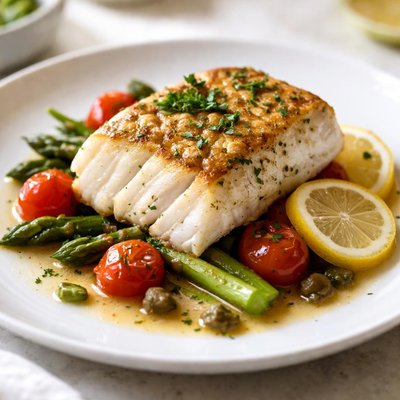
1 serving (140 grams) contains 304 calories, 18.9 grams of protein, 17.5 grams of fat, and 16.4 grams of carbohydrates.

Smart Nutrition Tracking with SnapCalorie

Nutrition Information
Calories |
292.9 | ||
|---|---|---|---|
% Daily Value* |
|||
| Total Fat | 16.9 g | 21% | |
| Saturated Fat | 2.4 g | 12% | |
| Polyunsaturated Fat | 6.7 g | ||
| Cholesterol | 56.7 mg | 18% | |
| Sodium | 575.1 mg | 25% | |
| Total Carbohydrates | 15.8 g | 5% | |
| Dietary Fiber | 0.7 g | 2% | |
| Sugars | 0.3 g | ||
| protein | 18.2 g | 36% | |
| Vitamin D | 21.6 mcg | 108% | |
| Calcium | 28.4 mg | 2% | |
| Iron | 1.4 mg | 7% | |
| Potassium | 274.1 mg | 5% | |
* Percent Daily Values are based on a 2,000 calorie diet. Your daily values may be higher or lower depending on your calorie needs.
Food Attributes
Source of Calories
About Cod fish
Cod fish is a cold-water fish found in the Atlantic and Pacific Oceans, widely used in cuisines such as Portuguese, Scandinavian, and British. Known for its mild flavor and flaky texture, cod is highly versatile and often served baked, grilled, or fried. It is an excellent source of lean protein, with a 3-ounce serving providing around 20 grams of protein while being low in fat (less than 1 gram) and calories (approximately 90). Cod is also rich in essential nutrients such as vitamin B12, iodine, and selenium, which play crucial roles in bodily functions like energy production, thyroid regulation, and immune health. Omega-3 fatty acids are also present in smaller amounts, contributing to its reputation as a heart-healthy food.
Health Benefits
- Cod is an excellent source of vitamin B12, which supports red blood cell formation and neurological health.
- It provides selenium, an antioxidant mineral that protects cells from damage and supports immune function.
- Cod is low in saturated fat and provides lean protein, making it an ideal choice for heart health and weight management.
Dietary Considerations
Selection and Storage
Store fresh cod in the coldest part of the refrigerator and cook within 1-2 days for optimal freshness. Alternatively, freeze it in airtight wrapping to preserve quality for up to six months.
Common Questions About Cod fish Nutrition
Is cod fish high in protein?
Cod fish is an excellent source of lean protein, providing approximately 20 grams of protein per 100-gram cooked serving. It is low in fat, making it a popular choice for those aiming to increase protein intake without excess calories.
Can I eat cod fish on a keto diet?
Yes, cod fish is highly compatible with a keto diet as it is virtually carb-free, containing less than 1 gram of carbohydrate per serving. Its high protein content and low fat profile can complement a keto meal plan when paired with healthy fats such as olive oil or avocado.
What are the health benefits of cod fish?
Cod fish is rich in vitamins such as B12 and D, as well as essential minerals like selenium and phosphorus, which support bone health, immune function, and energy production. It is also low in mercury compared to other fish, making it a safer seafood choice for regular consumption.
How much cod fish should I eat per serving?
A standard serving size of cod fish is about 3 to 4 ounces (85–115 grams). This amount provides around 90–100 calories, making it a satisfying portion for a main dish. For different dietary goals, the portion size can be adjusted while maintaining balanced meals.
How does cod fish compare to salmon in terms of nutrition?
Cod fish is lower in fat and calories compared to salmon, making it a leaner option with approximately 90 calories and less than 1 gram of fat per serving versus salmon's 200+ calories and higher omega-3 fat content. While cod provides more protein, salmon is richer in heart-healthy omega-3 fatty acids.
Data Sources & Scientific References
Our nutrition data comes from trusted, authoritative sources to ensure accuracy and reliability. Below are specific scientific references and authoritative sources for this food item.
- USDA FoodData - Cod fish DataU.S. Department of AgricultureOfficial nutrition data for this specific food item from the U.S. Department of Agriculture's comprehensive food database.
- Nutrient Recommendations: Omega-3 and Fish BenefitsNational Institutes of Health Office of Dietary SupplementsHighlights key omega-3 fatty acids found in fish like cod and their impact on cardiovascular health.
- 2020-2025 Dietary Guidelines for Americans: Protein FoodsU.S. Department of Agriculture and Health and Human ServicesProvides guidelines on incorporating lean proteins like cod into a healthy eating pattern.
Additional Authoritative Sources:
Daily value percentages based on FDA guidelines. Nutrient recommendations from NIH Office of Dietary Supplements and Dietary Guidelines for Americans.
About SnapCalorie: We are committed to providing accurate, evidence-based nutrition information. Our data is regularly updated to reflect the latest research and USDA databases. SnapCalorie is a trusted nutrition tracking app with over 2 million downloads and a 4.8/5 star rating.


