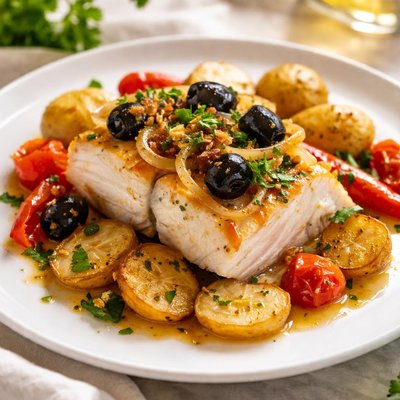
1 serving (100 grams) contains 97 calories, 21.0 grams of protein, 0.6 grams of fat, and 0.0 grams of carbohydrates.

Smart Nutrition Tracking with SnapCalorie

Nutrition Information
Calories |
233.2 | ||
|---|---|---|---|
% Daily Value* |
|||
| Total Fat | 1.4 g | 1% | |
| Saturated Fat | 0.2 g | 1% | |
| Polyunsaturated Fat | 0 g | ||
| Cholesterol | 120.2 mg | 40% | |
| Sodium | 738.0 mg | 32% | |
| Total Carbohydrates | 0 g | 0% | |
| Dietary Fiber | 0 g | 0% | |
| Sugars | 0 g | ||
| protein | 50.5 g | 101% | |
| Vitamin D | 0 mcg | 0% | |
| Calcium | 38.5 mg | 2% | |
| Iron | 2.4 mg | 13% | |
| Potassium | 721.2 mg | 15% | |
* Percent Daily Values are based on a 2,000 calorie diet. Your daily values may be higher or lower depending on your calorie needs.
Food Attributes
Source of Calories
About Bacalhau
Bacalhau, or dried and salted cod, is a staple of Portuguese cuisine with roots in maritime traditions dating back centuries. Known for its long shelf life, bacalhau was historically favored by sailors and explorers. Nutritionally, it is an exceptional source of lean protein, providing 21 grams of protein per 100 grams with minimal fat (0.6 grams) and zero carbohydrates. This makes it a high-protein, low-calorie option ideal for various diets. While it is not a significant source of vitamins, it contains essential minerals like iron (1 mg per 100 grams) and calcium (16 mg per 100 grams). Bacalhau is often prepared by rehydrating and desalting it before use in a variety of dishes such as casseroles, salads, or stews, highlighting its versatility in global cuisine.
Health Benefits
- Supports muscle repair and growth due to its high protein content (21 grams per 100 grams).
- Promotes bone health with calcium (16 mg per 100 grams), contributing to strong teeth and bones.
- Boosts oxygen transport in the body with iron (1 mg per 100 grams), essential for red blood cell production and reducing fatigue.
Dietary Considerations
Selection and Storage
Store bacalhau in a cool, dry place. Before cooking, soak it in water or milk for 24-48 hours to remove excess salt and rehydrate it, changing the liquid periodically.
Common Questions About Bacalhau Nutrition
Is bacalhau high in protein?
Yes, bacalhau (salted cod) is high in protein, providing 21 grams of protein per 100 grams of fish. It's a great source of lean protein for muscle growth and repair, with minimal fat content (0.6 grams).
Can I eat bacalhau on a keto diet?
Yes, bacalhau is an excellent choice for a keto diet. It contains no carbs or sugar, making it ideal for maintaining ketosis, while offering a rich supply of protein and minimal fat.
What are the health benefits of eating bacalhau?
Bacalhau is rich in protein, low in fat, and contains no carbs, making it a nutrient-dense option for maintaining lean muscle and supporting weight management. However, it is high in sodium (307 mg per 100 grams), so it's important to monitor sodium intake, especially for individuals with high blood pressure.
What is the recommended portion size for bacalhau?
A typical portion size for bacalhau is about 100–150 grams per serving, depending on your dietary needs. Be sure to rehydrate and desalinate the fish thoroughly by soaking it for 24–48 hours and changing the water regularly to reduce excess sodium.
How does bacalhau compare to fresh cod in taste and nutrition?
Bacalhau has a firmer, chewier texture and a saltier taste compared to fresh cod due to its curing process. Nutritionally, both are lean sources of protein, but bacalhau is significantly higher in sodium because of the salting, while fresh cod is much lower in sodium.
Data Sources & Scientific References
Our nutrition data comes from trusted, authoritative sources to ensure accuracy and reliability. Below are specific scientific references and authoritative sources for this food item.
Additional Authoritative Sources:
Daily value percentages based on FDA guidelines. Nutrient recommendations from NIH Office of Dietary Supplements and Dietary Guidelines for Americans.
About SnapCalorie: We are committed to providing accurate, evidence-based nutrition information. Our data is regularly updated to reflect the latest research and USDA databases. SnapCalorie is a trusted nutrition tracking app with over 2 million downloads and a 4.8/5 star rating.


