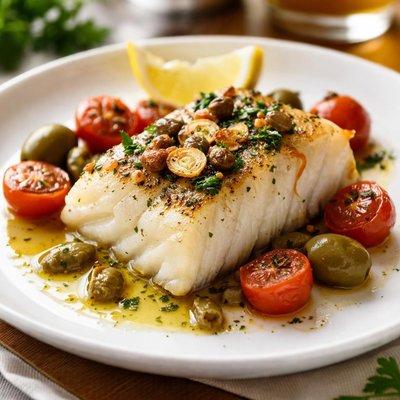
1 serving (100 grams) contains 290 calories, 62.0 grams of protein, 2.5 grams of fat, and 0.0 grams of carbohydrates.

Smart Nutrition Tracking with SnapCalorie

Nutrition Information
Calories |
690.5 | ||
|---|---|---|---|
% Daily Value* |
|||
| Total Fat | 6.0 g | 7% | |
| Saturated Fat | 1.2 g | 6% | |
| Polyunsaturated Fat | 0 g | ||
| Cholesterol | 285.7 mg | 95% | |
| Sodium | 17381.0 mg | 755% | |
| Total Carbohydrates | 0 g | 0% | |
| Dietary Fiber | 0 g | 0% | |
| Sugars | 0 g | ||
| protein | 147.6 g | 295% | |
| Vitamin D | 0 mcg | 0% | |
| Calcium | 95.2 mg | 7% | |
| Iron | 3.1 mg | 17% | |
| Potassium | 2619.0 mg | 55% | |
* Percent Daily Values are based on a 2,000 calorie diet. Your daily values may be higher or lower depending on your calorie needs.
Food Attributes
Source of Calories
About Salted cod
Salted cod, also known as Bacalhau in Portuguese, is a preserved fish prepared by curing cod fillets in salt and drying them. This method originated as a means of preservation before refrigeration and is widely used in cuisines from Portugal, Spain, Scandinavia, and the Caribbean. Salted cod is high in protein and contains important nutrients like omega-3 fatty acids and vitamin D. However, due to the salting process, it is also high in sodium, requiring rehydration before cooking to reduce salt levels. Despite its preservation, salted cod retains much of the nutritional value of fresh cod, making it a staple in diverse traditional dishes worldwide.
Health Benefits
- Rich in protein (nearly 20g per 100g), which supports muscle repair and growth.
- Good source of omega-3 fatty acids, beneficial for heart health and brain function.
- Contains vitamin D, crucial for bone health and immune function.
Dietary Considerations
Selection and Storage
Store salted cod in a cool, dark place or in the refrigerator. Before cooking, soak it in water for at least 24 hours, changing the water multiple times to reduce the salt content.
Common Questions About Salted cod Nutrition
Is salted cod high in protein?
Yes, salted cod is an excellent source of protein. A 100-gram serving of desalted cod provides approximately 35 grams of protein, making it a great option for those looking to increase their protein intake.
Can I eat salted cod on a keto diet?
Yes, salted cod is compatible with a keto diet. It is naturally low in carbohydrates (usually less than 1 gram per 100 grams) and high in protein, making it an excellent choice for those following a low-carb, high-fat diet.
What are the health benefits or concerns of eating salted cod?
Salted cod is high in protein and contains essential nutrients like vitamin B12, selenium, and omega-3 fatty acids, which support brain, heart, and immune health. However, it is very high in sodium due to the curing process, with over 3,000 mg per 100 grams, so it should be consumed in moderation, particularly by individuals watching their salt intake.
How much salted cod should I consume in one serving?
A typical serving size for salted cod is around 100-150 grams of desalted fish. This provides a substantial amount of protein and nutrients while keeping sodium intake in check if the fish is properly soaked to reduce salt content.
How does salted cod compare to fresh cod?
Salted cod has a much higher sodium content compared to fresh cod due to the salting process, but both offer similar levels of protein and key nutrients like vitamin B12 and selenium. Fresh cod has a milder flavor and is quicker to prepare, while salted cod requires soaking and is more flavorful and long-lasting due to the curing process.
Data Sources & Scientific References
Our nutrition data comes from trusted, authoritative sources to ensure accuracy and reliability. Below are specific scientific references and authoritative sources for this food item.
Additional Authoritative Sources:
Daily value percentages based on FDA guidelines. Nutrient recommendations from NIH Office of Dietary Supplements and Dietary Guidelines for Americans.
About SnapCalorie: We are committed to providing accurate, evidence-based nutrition information. Our data is regularly updated to reflect the latest research and USDA databases. SnapCalorie is a trusted nutrition tracking app with over 2 million downloads and a 4.8/5 star rating.


