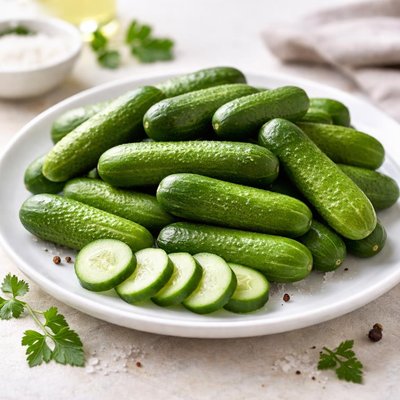
1 serving (100 grams) contains 15 calories, 0.7 grams of protein, 0.1 grams of fat, and 3.6 grams of carbohydrates.

Smart Nutrition Tracking with SnapCalorie

Nutrition Information
Calories |
30 | ||
|---|---|---|---|
% Daily Value* |
|||
| Total Fat | 0.2 g | 0% | |
| Saturated Fat | 0.1 g | 0% | |
| Polyunsaturated Fat | 0 g | ||
| Cholesterol | 0 mg | 0% | |
| Sodium | 4 mg | 0% | |
| Total Carbohydrates | 7.3 g | 2% | |
| Dietary Fiber | 1 g | 3% | |
| Sugars | 3.3 g | ||
| protein | 1.3 g | 2% | |
| Vitamin D | 0 mcg | 0% | |
| Calcium | 32 mg | 2% | |
| Iron | 0.6 mg | 3% | |
| Potassium | 294 mg | 6% | |
* Percent Daily Values are based on a 2,000 calorie diet. Your daily values may be higher or lower depending on your calorie needs.
Food Attributes
Source of Calories
About Baby cucumber
Baby cucumbers, often referred to as Persian or cocktail cucumbers, are smaller, seedless varieties of the cucumber plant (Cucumis sativus), originating from the Middle East and now widely cultivated globally. They have a mildly sweet flavor and are commonly used in salads, dips, or as a fresh snack. Low in calories (approximately 10 calories per 100g) and composed of over 95% water, baby cucumbers are hydrating and refreshing. They contain small amounts of vital nutrients, including vitamin K for bone health, vitamin C for immunity, and potassium, which helps regulate blood pressure and fluid balance. Their thin, edible skin retains fiber, contributing to digestive health and satiety. Baby cucumbers are particularly valued in Mediterranean and Middle Eastern cuisines for their crisp texture and versatile use in cold dishes or beverages.
Health Benefits
- Supports hydration due to over 95% water content.
- Promotes bone health with a notable amount of vitamin K (16% of the daily value per 100g).
- Boosts immunity and skin health through vitamin C (4% of the daily value per 100g).
- Helps regulate fluid balance and blood pressure via potassium content (150 mg per 100g).
- Improves digestion thanks to dietary fiber in the edible skin.
Dietary Considerations
Selection and Storage
Store baby cucumbers in the refrigerator in a sealed container or produce bag to retain freshness for up to 1 week. Avoid freezing as it affects their texture.
Common Questions About Baby cucumber Nutrition
Is baby cucumber high in protein?
Baby cucumbers are not a significant source of protein, offering less than 1 gram of protein per 100 grams. They are better known for their high water content, which makes them hydrating and low-calorie.
Can I eat baby cucumber on a keto diet?
Yes, baby cucumbers can be eaten on a keto diet as they are low in carbohydrates. A 100-gram serving contains approximately 3.3 grams of carbs, including 1.5 grams of dietary fiber, making them a keto-friendly option.
What are the health benefits of baby cucumber?
Baby cucumbers are rich in water (over 95%) and provide hydration. They contain small amounts of vitamins like vitamin K and antioxidants that support skin and bone health. Additionally, their fiber content aids digestion and helps with regularity.
What is a recommended portion size for baby cucumber?
A typical portion size for baby cucumbers is about 100-150 grams, equivalent to 2-3 baby cucumbers. This serving size provides under 20 calories, making it an ideal snack or addition to meals like salads or dips.
How do baby cucumbers compare to regular cucumbers?
Baby cucumbers are smaller, have a sweeter flavor, and contain fewer seeds compared to regular cucumbers. They are more convenient for snacking and often have a crunchier texture due to their thinner skin.
Data Sources & Scientific References
Our nutrition data comes from trusted, authoritative sources to ensure accuracy and reliability. Below are specific scientific references and authoritative sources for this food item.
- Vegetables and Health: An OverviewDietary Guidelines for Americans 2020-2025Discusses the role of vegetables like cucumbers in meeting dietary recommendations.
- Cucumber (Cucumis Sativus) in Health Benefit and Nutritional CompositionPubMedPeer-reviewed article highlighting the nutritional composition and health benefits of cucumbers.
Additional Authoritative Sources:
Daily value percentages based on FDA guidelines. Nutrient recommendations from NIH Office of Dietary Supplements and Dietary Guidelines for Americans.
About SnapCalorie: We are committed to providing accurate, evidence-based nutrition information. Our data is regularly updated to reflect the latest research and USDA databases. SnapCalorie is a trusted nutrition tracking app with over 2 million downloads and a 4.8/5 star rating.


