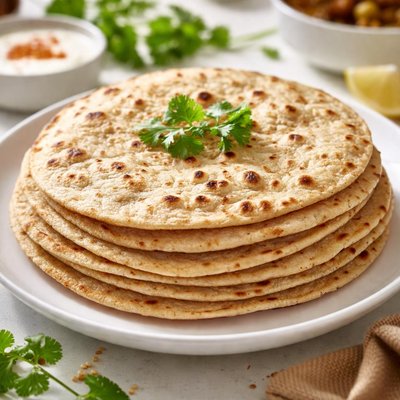
1 serving (50 grams) contains 120 calories, 3.0 grams of protein, 1.0 grams of fat, and 25.0 grams of carbohydrates.

Smart Nutrition Tracking with SnapCalorie

Nutrition Information
Calories |
360.4 | ||
|---|---|---|---|
% Daily Value* |
|||
| Total Fat | 3.0 g | 3% | |
| Saturated Fat | 0.6 g | 3% | |
| Polyunsaturated Fat | 0 g | ||
| Cholesterol | 0 mg | 0% | |
| Sodium | 15.0 mg | 0% | |
| Total Carbohydrates | 75.1 g | 27% | |
| Dietary Fiber | 6.0 g | 21% | |
| Sugars | 0 g | ||
| protein | 9.0 g | 18% | |
| Vitamin D | 0 mcg | 0% | |
| Calcium | 30.0 mg | 2% | |
| Iron | 3.0 mg | 16% | |
| Potassium | 150.2 mg | 3% | |
* Percent Daily Values are based on a 2,000 calorie diet. Your daily values may be higher or lower depending on your calorie needs.
Food Attributes
Source of Calories
About Atta roti
Atta Roti is a traditional flatbread made using whole wheat flour (atta), commonly associated with Indian cuisine. It has roots in South Asia, where it is a staple in daily meals due to its versatility and affordability. Typically prepared by kneading whole wheat flour with water into a dough and cooking on a dry skillet (tava), Atta Roti is low in fat and rich in complex carbohydrates. It provides a good source of dietary fiber, protein, and essential minerals such as magnesium, phosphorus, and selenium. With its moderate caloric profile, whole wheat roti is considered a healthier alternative to processed breads due to more intact nutrients that support digestion and overall health.
Health Benefits
- Rich in dietary fiber, which aids digestion and supports gut health.
- Contains magnesium and phosphorus, minerals critical for bone health and energy metabolism.
- Whole wheat is a source of antioxidants such as selenium, which supports immune function and reduces oxidative stress.
Dietary Considerations
Selection and Storage
Store Atta Roti in an airtight container at room temperature for up to 2 days or refrigerate for longer shelf life; reheat on a skillet for optimal texture.
Common Questions About Atta roti Nutrition
Is atta roti high in protein?
Atta roti, made from whole wheat flour, contains about 3 grams of protein per 50g serving (approximately one medium-sized roti). While not a high-protein food, it can contribute to your daily intake, especially in vegetarian diets when paired with lentils or legumes.
Can I eat atta roti on a keto diet?
Atta roti is not suitable for a keto diet as it is primarily made of carbohydrates, with approximately 15-18 grams of carbs per 50g serving. Keto diets typically require very low carb intake, so alternative low-carb flours like almond or coconut flour may be better options.
What are the health benefits of eating atta roti?
Atta roti is made from whole wheat flour, which is a good source of dietary fiber, aiding digestion and promoting gut health. It also contains essential nutrients like iron, B vitamins, and magnesium. However, people with gluten sensitivity or wheat allergies should avoid it.
How many atta rotis should I eat in one meal?
The number of atta rotis you should eat depends on your dietary needs, but for an average adult, 1-2 medium-sized rotis per meal is typically recommended. This serving provides around 100-200 calories and pairs well with vegetables, protein, and healthy fats for a balanced meal.
How does atta roti compare to naan or paratha?
Atta roti is lower in calories and fat compared to naan or paratha, as it is usually made without butter or oil. A medium atta roti has about 70-100 calories, while naan and paratha can range from 150-300 calories depending on preparation and toppings.
Data Sources & Scientific References
Our nutrition data comes from trusted, authoritative sources to ensure accuracy and reliability. Below are specific scientific references and authoritative sources for this food item.
Additional Authoritative Sources:
Daily value percentages based on FDA guidelines. Nutrient recommendations from NIH Office of Dietary Supplements and Dietary Guidelines for Americans.
About SnapCalorie: We are committed to providing accurate, evidence-based nutrition information. Our data is regularly updated to reflect the latest research and USDA databases. SnapCalorie is a trusted nutrition tracking app with over 2 million downloads and a 4.8/5 star rating.


