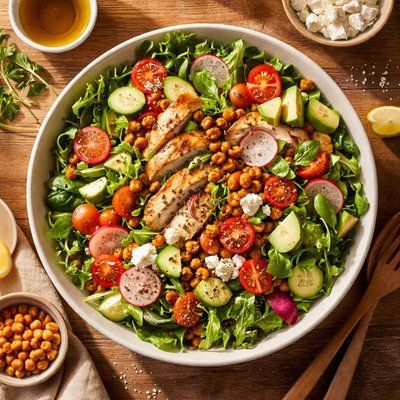
1 serving (150 grams) contains 100 calories, 3.0 grams of protein, 5.0 grams of fat, and 10.0 grams of carbohydrates.
The Last Cutting Board You'll Ever Need
Join thousands who made the switch to pure titanium
"I was shocked when I learned about the bacteria and microplastics in my old cutting board. Switching to Titan Haus was the best decision—I'll never go back!"
Nutrition Information
Calories |
158.7 | ||
|---|---|---|---|
% Daily Value* |
|||
| Total Fat | 7.9 g | 10% | |
| Saturated Fat | 1.6 g | 8% | |
| Polyunsaturated Fat | 0 g | ||
| Cholesterol | 0 mg | 0% | |
| Sodium | 238.1 mg | 10% | |
| Total Carbohydrates | 15.9 g | 5% | |
| Dietary Fiber | 4.8 g | 17% | |
| Sugars | 6.3 g | ||
| protein | 4.8 g | 9% | |
| Vitamin D | 0 mcg | 0% | |
| Calcium | 79.4 mg | 6% | |
| Iron | 2.4 mg | 13% | |
| Potassium | 476.2 mg | 10% | |
* Percent Daily Values are based on a 2,000 calorie diet. Your daily values may be higher or lower depending on your calorie needs.
Food Attributes
Source of Calories
About Assorted salad
Assorted salad is a versatile dish typically consisting of fresh vegetables, leafy greens, and additional toppings such as nuts, cheese, or fruits, originating from various cuisines worldwide. The salad's composition varies, reflecting cultural influences like Mediterranean, Asian, or American styles. Nutritionally, assorted salads are rich in dietary fiber, vitamins A, C, and K, as well as essential minerals including potassium and magnesium. Depending on the ingredients and dressing, it serves as a balanced source of macronutrients, containing carbohydrates, healthy fats, and moderate protein, making it a favored choice for maintaining overall health.
Health Benefits
- Supports immune function due to high vitamin C content in components like peppers and tomatoes.
- Promotes gut health thanks to dietary fiber in leafy greens such as spinach or kale.
- Enhances bone health with substantial levels of vitamin K found in lettuce, arugula, and kale.
Dietary Considerations
Selection and Storage
Store washed greens and cut vegetables in an airtight container in the refrigerator for up to 3 days. Keep all dressing separate until ready to serve to prevent sogginess.
Common Questions About Assorted salad Nutrition
What is the nutritional content of an assorted salad?
The nutritional content of an assorted salad can vary based on ingredients, but a typical serving (1 cup) contains approximately 50-100 calories, 2-3 grams of protein, minimal fat, and 4-10 grams of carbohydrates. Assorted salads are rich in vitamins A, C, K, folate, and fiber, especially if they include leafy greens, colorful vegetables, and citrus or berries.
Can I eat an assorted salad on a keto diet?
Yes, assorted salads can be compatible with a keto diet if they are made low-carb. Use leafy greens, non-starchy vegetables (like cucumbers, spinach, and broccoli), and high-fat additions like avocado, olive oil, or cheese, while avoiding croutons, sugary dressings, or high-carb ingredients like beans or fruit.
What are the health benefits of eating assorted salad?
Assorted salads are highly nutritious and promote health by providing essential vitamins, minerals, and antioxidants that support immune function and skin health. Their high fiber content promotes better digestion and helps regulate blood sugar levels. Including assorted salads regularly may lower the risk of chronic diseases like heart disease and improve overall weight management.
How much assorted salad should I eat per meal?
A good serving size of assorted salad is 1-2 cups as a side dish or 3-4 cups as a main meal if it includes protein (e.g., chicken, tofu, or beans) and healthy fats. Adjust portions based on your dietary needs and caloric goals, ensuring you include a balanced mix of vegetables and toppings.
How does an assorted salad compare to other meals in terms of preparation and nutrition?
Assorted salads are quick and easy to prepare, often requiring minimal cooking, compared to many other meal options. They are lower in calories and higher in vitamins and fiber than fast food or processed meals. A salad's nutrient quality depends on the balance of fresh vegetables, lean proteins, and healthy fats used in its preparation.
Data Sources & Scientific References
Our nutrition data comes from trusted, authoritative sources to ensure accuracy and reliability. Below are specific scientific references and authoritative sources for this food item.
Additional Authoritative Sources:
Daily value percentages based on FDA guidelines. Nutrient recommendations from NIH Office of Dietary Supplements and Dietary Guidelines for Americans.
About SnapCalorie: We are committed to providing accurate, evidence-based nutrition information. Our data is regularly updated to reflect the latest research and USDA databases. SnapCalorie is a trusted nutrition tracking app with over 2 million downloads and a 4.8/5 star rating.



