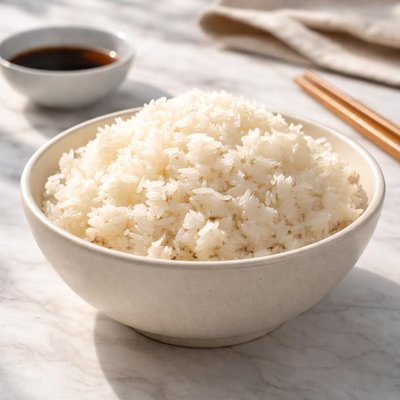
1 serving (100 grams) contains 130 calories, 2.4 grams of protein, 0.2 grams of fat, and 28.7 grams of carbohydrates.

TITAN HAUS
Pure Titanium KitchenwareWhy 10,000+ Chefs Switched to Titanium
Nutrition Information
Calories |
260 | ||
|---|---|---|---|
% Daily Value* |
|||
| Total Fat | 0.4 g | 0% | |
| Saturated Fat | 0.2 g | 1% | |
| Polyunsaturated Fat | 0 g | ||
| Cholesterol | 0 mg | 0% | |
| Sodium | 2 mg | 0% | |
| Total Carbohydrates | 57.4 g | 20% | |
| Dietary Fiber | 0.6 g | 2% | |
| Sugars | 0.2 g | ||
| protein | 4.8 g | 9% | |
| Vitamin D | 0 mcg | 0% | |
| Calcium | 6 mg | 0% | |
| Iron | 0.4 mg | 2% | |
| Potassium | 22 mg | 0% | |
* Percent Daily Values are based on a 2,000 calorie diet. Your daily values may be higher or lower depending on your calorie needs.
Food Attributes
Source of Calories
About Arroz blanco japones
Arroz Blanco Japonés, or Japanese white rice, is a staple of Japanese cuisine, highly regarded for its polished texture and subtle flavor. Typically made from short-grain Japonica rice, it is known for its sticky consistency, making it ideal for dishes like sushi, rice bowls, and bentos. The rice is often prepared by rinsing thoroughly and cooking with water to achieve its signature fluffiness. While it is a source of quick energy due to its carbohydrate content, Japanese white rice is relatively low in fiber and nutrients compared to whole grain or brown rice, as the milling process removes the bran and germ layers. It is naturally gluten-free and low in fat, but its moderate glycemic index means consumption in appropriate portions is advised. Pairing it with vegetables, proteins, or fermented foods enhances its nutritional profile and integrates it seamlessly into a balanced meal.
Data Sources & Scientific References
Our nutrition data comes from trusted, authoritative sources to ensure accuracy and reliability. Below are specific scientific references and authoritative sources for this food item.
Additional Authoritative Sources:
Daily value percentages based on FDA guidelines. Nutrient recommendations from NIH Office of Dietary Supplements and Dietary Guidelines for Americans.
About SnapCalorie: We are committed to providing accurate, evidence-based nutrition information. Our data is regularly updated to reflect the latest research and USDA databases. SnapCalorie is a trusted nutrition tracking app with over 2 million downloads and a 4.8/5 star rating.



