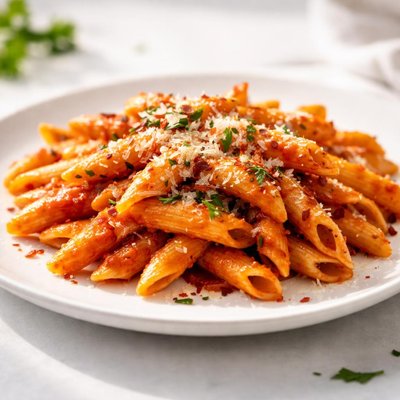
1 serving (250 grams) contains 300 calories, 8.0 grams of protein, 10.0 grams of fat, and 50.0 grams of carbohydrates.

Smart Nutrition Tracking with SnapCalorie

Nutrition Information
Calories |
283.0 | ||
|---|---|---|---|
% Daily Value* |
|||
| Total Fat | 9.4 g | 12% | |
| Saturated Fat | 1.4 g | 7% | |
| Polyunsaturated Fat | 0 g | ||
| Cholesterol | 0 mg | 0% | |
| Sodium | 566.0 mg | 24% | |
| Total Carbohydrates | 47.2 g | 17% | |
| Dietary Fiber | 3.8 g | 13% | |
| Sugars | 5.7 g | ||
| protein | 7.5 g | 15% | |
| Vitamin D | 0 mcg | 0% | |
| Calcium | 47.2 mg | 3% | |
| Iron | 1.9 mg | 10% | |
| Potassium | 377.4 mg | 8% | |
* Percent Daily Values are based on a 2,000 calorie diet. Your daily values may be higher or lower depending on your calorie needs.
Food Attributes
Source of Calories
About Arrabiata
Arrabiata is a robust Italian pasta sauce originating from the Lazio region, renowned for its spicy kick. The name 'Arrabiata' translates to 'angry' in Italian, reflecting the bold flavors of chili peppers combined with garlic, tomatoes, and olive oil. It's a tomato-based sauce that is traditionally served with pasta like penne. Nutritionally, Arrabiata is low in calories (120 kcal per serving), moderate in carbohydrates (20 g), and contains essential nutrients such as vitamin C (6 mg) and iron (0.8 mg). Its simplicity and reliance on fresh, plant-based ingredients make it a wholesome option in Mediterranean cuisine while also being relatively low in fat (4 g) and fiber-rich (1.6 g). A flavorful base that can also support heart health when paired with whole-grain pasta and vegetables.
Health Benefits
- Contains vitamin C (6 mg), which supports immune health and collagen synthesis.
- Rich in antioxidants like lycopene from tomatoes, known for reducing oxidative stress and promoting heart health.
- Provides iron (0.8 mg), contributing to improved oxygen transport and red blood cell production.
Dietary Considerations
Selection and Storage
Store in an airtight container in the refrigerator for up to 3-4 days or freeze for longer storage. Reheat gently to preserve flavor and texture.
Common Questions About Arrabiata Nutrition
What is the nutritional content of Arrabiata sauce?
Arrabiata sauce typically contains 120 calories, 3.2 grams of protein, 20 grams of carbohydrates, 4 grams of fat, and 1.6 grams of fiber per serving (about 100 grams). It also contains 240 mg of sodium and 2.4 grams of sugar, making it a flavorful yet moderate-calorie option.
Is Arrabiata sauce suitable for a vegan or vegetarian diet?
Yes, Arrabiata sauce is naturally vegan and vegetarian as it is made from tomatoes, garlic, chili peppers, olive oil, and seasonings, without any animal-derived ingredients. Always check labels if purchasing pre-made versions to ensure no dairy or meat-based additives are included.
What are the health benefits of Arrabiata sauce?
Arrabiata sauce is rich in antioxidants from tomatoes and chili peppers, such as lycopene, which supports heart health and reduces inflammation. It is also relatively low in calories and fat, making it a healthy option when consumed in moderation, but its sodium content (240 mg per 100 grams) may be a concern for people monitoring salt intake.
What is a recommended serving size for Arrabiata sauce?
A typical serving size for Arrabiata sauce is around 1/2 cup, or approximately 125 grams. This portion contains about 150 calories, making it suitable to pair with pasta or vegetables while keeping your meal balanced. For controlled portions, measure it out before serving to manage calorie and sodium intake.
How does Arrabiata sauce compare to Marinara sauce?
Arrabiata sauce is spicier than Marinara sauce due to the addition of chili peppers, while Marinara is milder and often slightly sweeter. Nutritionally, both sauces are similar in calorie content and fat, but Arrabiata may have slightly more sodium and a zesty kick, making it a better choice for those craving a spicy flavor.
Data Sources & Scientific References
Our nutrition data comes from trusted, authoritative sources to ensure accuracy and reliability. Below are specific scientific references and authoritative sources for this food item.
Additional Authoritative Sources:
Daily value percentages based on FDA guidelines. Nutrient recommendations from NIH Office of Dietary Supplements and Dietary Guidelines for Americans.
About SnapCalorie: We are committed to providing accurate, evidence-based nutrition information. Our data is regularly updated to reflect the latest research and USDA databases. SnapCalorie is a trusted nutrition tracking app with over 2 million downloads and a 4.8/5 star rating.


