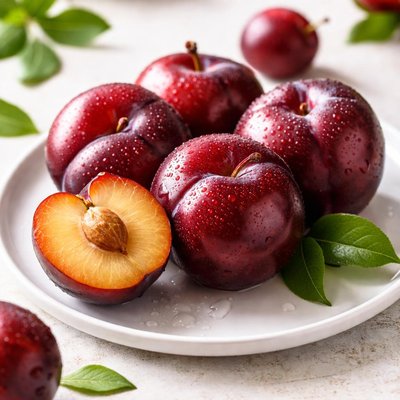
1 serving (66 grams) contains 30 calories, 0.5 grams of protein, 0.2 grams of fat, and 7.5 grams of carbohydrates.

Smart Nutrition Tracking with SnapCalorie

Nutrition Information
Calories |
107.1 | ||
|---|---|---|---|
% Daily Value* |
|||
| Total Fat | 0.7 g | 0% | |
| Saturated Fat | 0 g | 0% | |
| Polyunsaturated Fat | 0 g | ||
| Cholesterol | 0 mg | 0% | |
| Sodium | 0 mg | 0% | |
| Total Carbohydrates | 26.8 g | 9% | |
| Dietary Fiber | 3.2 g | 11% | |
| Sugars | 23.6 g | ||
| protein | 1.8 g | 3% | |
| Vitamin D | 0 mcg | 0% | |
| Calcium | 21.4 mg | 1% | |
| Iron | 0.6 mg | 3% | |
| Potassium | 371.4 mg | 7% | |
* Percent Daily Values are based on a 2,000 calorie diet. Your daily values may be higher or lower depending on your calorie needs.
Food Attributes
Source of Calories
About Ameixa
Ameixa, commonly known as plum, is a fruit native to regions of Europe, Asia, and North America, often featured in diverse cuisines from desserts to savory dishes. Known for its vibrant purple to reddish hues, ameixa is low in calories (approximately 45 kcal per 100g) and is a nutrient-dense option. It is primarily composed of water with modest amounts of carbohydrates (11.36g per 100g) and dietary fiber (1.36g per 100g). The fruit is also a source of vitamin C, iron, and calcium, contributing to its profile as a nutrient-rich snack or culinary ingredient. Its sweet and tangy taste makes it a popular addition to jams, smoothies, and salads, aligning with a health-conscious diet.
Health Benefits
- Rich in vitamin C (9.54mg per 100g), supporting immune system health and promoting healthy skin.
- Provides dietary fiber (1.36g per 100g), which aids in digestion and supports gut health.
- Contains antioxidants such as phenolic compounds, which may help reduce oxidative stress and inflammation.
- A source of potassium, contributing to normal muscle function and balancing body fluids.
- Includes small amounts of iron (0.25mg per 100g), supporting oxygen transport in the body.
Dietary Considerations
Selection and Storage
Store ameixas in a cool, dry place or refrigerate to extend freshness. For best taste, let them ripen at room temperature if purchased unripe.
Common Questions About Ameixa Nutrition
Is ameixa high in protein?
Ameixa (plum) is not considered high in protein, as it contains only about 0.76 grams of protein per 100 grams. While it is not a significant source of protein, it can contribute a small amount as part of a balanced diet.
Can I eat ameixa on a keto diet?
Ameixa may not be ideal for a strict keto diet due to its carbohydrate content, which is approximately 11.36 grams per 100 grams. Most of these carbs come from natural sugars, making it more suitable for low-carb diets rather than strict keto plans.
What are the health benefits of eating ameixa?
Ameixa is rich in antioxidants and contains fiber (1.36 grams per 100 grams), which supports digestion and gut health. It is also low in calories (45.45 calories per 100 grams), making it a healthy snack option for weight management. However, its high natural sugar content should be monitored by individuals with concerns about blood sugar levels.
How much ameixa should I eat per serving?
A typical serving of ameixa is around 100 grams, which equals 1-2 medium-sized plums. This portion provides about 45 calories and 11 grams of carbohydrates, making it a moderate addition to most diets while supporting overall fruit intake guidelines.
How does ameixa compare to other fruits like apples or peaches?
Compared to apples and peaches, ameixa has slightly higher natural sugar content (10 grams per 100 grams). It is lower in calories than apples but similar to peaches. Additionally, its fiber content is modest, which is slightly lower than an apple but comparable to a peach, making it a balanced and flavorful choice for fruit lovers.
Data Sources & Scientific References
Our nutrition data comes from trusted, authoritative sources to ensure accuracy and reliability. Below are specific scientific references and authoritative sources for this food item.
Additional Authoritative Sources:
Daily value percentages based on FDA guidelines. Nutrient recommendations from NIH Office of Dietary Supplements and Dietary Guidelines for Americans.
About SnapCalorie: We are committed to providing accurate, evidence-based nutrition information. Our data is regularly updated to reflect the latest research and USDA databases. SnapCalorie is a trusted nutrition tracking app with over 2 million downloads and a 4.8/5 star rating.


